The Gauteng Department of Health has issued an urgent public health alert following a significant surge in malaria infections and fatalities. In the first three months of 2026 alone, the province recorded 414 confirmed malaria cases and 11 deaths, a figure that has already surpassed the total number of malaria-related fatalities recorded in the province for the entire previous year.
This spike comes as a stark contrast to the same period in 2025, which saw 230 cases and only one death. Officials are now warning that the province is facing a critical window for intervention as World Malaria Day approaches on April 25, 2026.
The “Imported” Crisis
While the numbers are alarming, health experts from the National Institute for Communicable Diseases (NICD) have clarified that Gauteng is not a malaria-endemic province. This means that the 11 lives lost were the result of “imported” cases—infections acquired elsewhere and brought back into the province.
The surge is largely attributed to:
- Post-Festive Travel: Many residents returned to Gauteng after visiting malaria-risk regions such as Limpopo, Mpumalanga, and KwaZulu-Natal, as well as neighboring countries like Mozambique, Zimbabwe, and Malawi.
- Environmental Conditions: Unusually heavy rainfall and flooding across Southern Africa in early 2026 created ideal breeding grounds for the Anopheles mosquito, significantly increasing transmission rates in endemic zones.
The Danger of Misdiagnosis
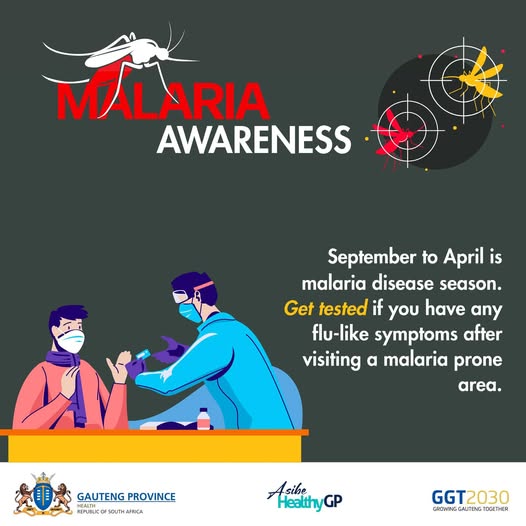
The primary concern for health officials is the delay in seeking treatment. Because Gauteng is not a high-risk zone, residents often mistake the initial signs of malaria for a common flu or even a lingering fatigue from travel.
“Malaria is both preventable and treatable, but it can progress rapidly to severe illness and death if diagnosis and treatment are delayed,” the NICD warned in a statement on April 22, 2026.
Common Symptoms to Watch For:
- High fever and chills
- Severe headaches
- Profuse sweating
- Nausea and vomiting
- Muscle and joint pain
“Odyssean” Malaria: The Hidden Threat
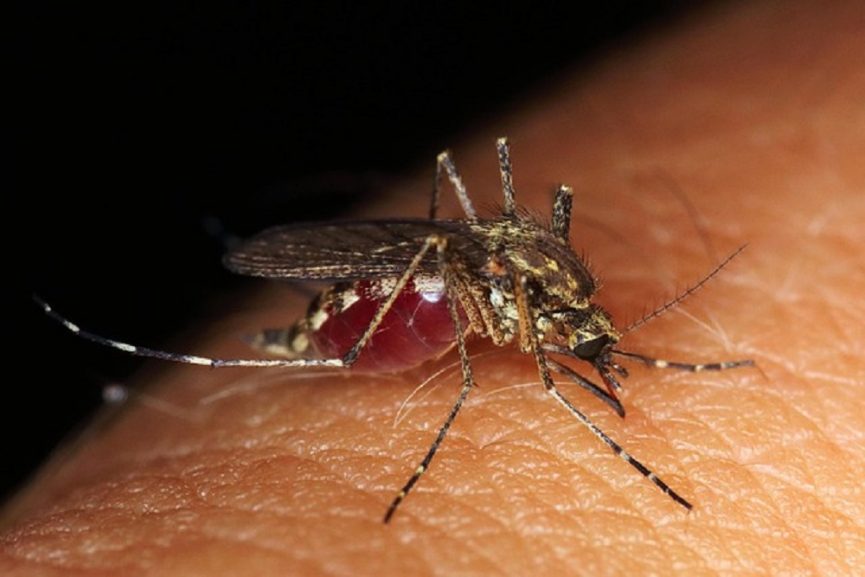
In addition to travelers returning with the disease, Gauteng occasionally grapples with “Odyssean” malaria—also known as “hitchhiker” malaria. This occurs when an infected mosquito is accidentally transported into a non-endemic area via luggage, cars, or taxis.
Because the victim has no history of travel to a high-risk area, doctors may not initially consider malaria as a diagnosis, leading to dangerous delays in administering life-saving anti-malarial medication.
Strengthening the Scientific Front
In response to the rising numbers, the Gauteng Department of Health has partnered with academic institutions to bolster surveillance. In March 2026, the Applied Malaria Modelling Network (AMMnet) launched its South African chapter at the Tshwane University of Technology (TUT).
This initiative aims to use mathematical modeling to:
- Predict Outbreaks: Identify potential surges based on weather patterns and travel data.
- Allocate Resources: Direct medical supplies and diagnostic kits to the most affected sub-districts in Johannesburg, Pretoria, and Ekurhuleni.
- Evaluate Interventions: Test the effectiveness of public health campaigns in real-time.
Prevention: Your First Line of Defense
As the province enters the final weeks of the traditional malaria season, the Department of Health is urging travelers and residents to take proactive measures.
- Before You Travel: Consult a healthcare professional about malaria chemoprophylaxis (preventive medication).
- During Your Trip: Use insect repellents containing DEET, wear long-sleeved clothing at dusk and dawn, and sleep under insecticide-treated bed nets.
- After You Return: If you develop a fever within three months of returning from a high-risk area, demand a malaria test, even if you took preventive medicine.
Conclusion: A Call to Vigilance
The loss of 11 lives in just 90 days serves as a grim reminder that malaria remains a formidable threat, even in the urban heart of South Africa. As the province marks World Malaria Day under the theme “Driven to End Malaria: Now We Can. Now We Must,” the message from health officials is clear: awareness is the difference between a treatable illness and a tragedy.
Gauteng Malaria Snapshot (Jan–March 2026)
| Metric | 2025 (Q1) | 2026 (Q1) | % Increase |
| Confirmed Cases | 230 | 414 | 80% |
| Fatalities | 1 | 11 | 1000% |
| Primary Source | Travel | Travel / Flooding | N/A |
For medical assistance or to report a suspected case, residents are encouraged to visit their nearest community health center or hospital immediately. Delayed treatment in severe cases can lead to organ failure, cerebral malaria, and death.