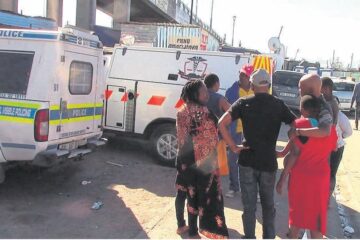
The halls of learning in the Eastern Cape have long been celebrated as beacons of hope and progress. However, a chilling new reality has emerged that threatens to transform these sanctuaries of education into centers of criminal investigation. In a staggering revelation that has sent shockwaves through the province, recent data has confirmed that over 70 pupils have been arrested for carrying firearms across Eastern Cape schools over the past five financial years.
The statistics, revealed in a parliamentary response on April 21, 2026, by the MEC for Community Safety, Xolile Nqatha, paint a grim picture of an education system under siege by gangsterism, drug trafficking, and the proliferation of illegal weaponry.
A Crisis in the Classroom
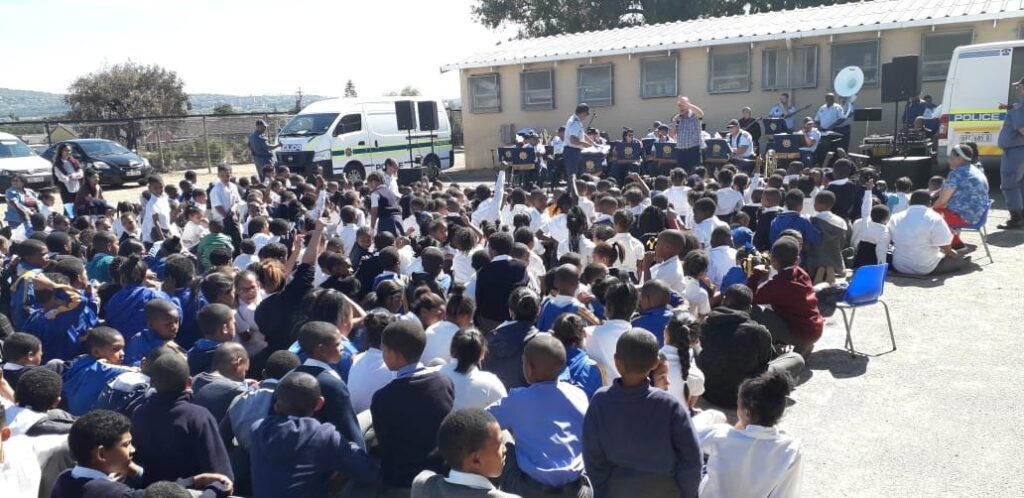
The data, which spans from the 2021/22 to the 2025/26 financial year, indicates a systemic failure in school safety. Of the more than 70 arrests involving learners with firearms, 21 arrests occurred in the most recent 2025/26 period alone, suggesting an alarming upward trend.
Perhaps most disturbing is the age of the offenders. The reports indicate that the crisis is not confined to high schools; primary school learners are increasingly being drawn into the fray. Since 2022, several young children have been found in possession of dangerous weapons and narcotics, stripping away the innocence of early education.
The Geographic “Hotspots”
The arrests are not evenly distributed across the province. Instead, they are concentrated in specific “hotspots” where community instability and gang activity are rampant.
- Nelson Mandela Bay: Clusters such as Bethelsdorp, Chatty, and Walmer have seen the highest volume of firearm-related incidents.
- Buffalo City: Areas like Buffalo Flats and Qonce have reported a spike in school-based violence.
- Rural Districts: Districts including KwaBhaca, Willowvale, and Graaff-Reinet have also seen an influx of illegal weapons entering school gates.
The Gangsterism Link
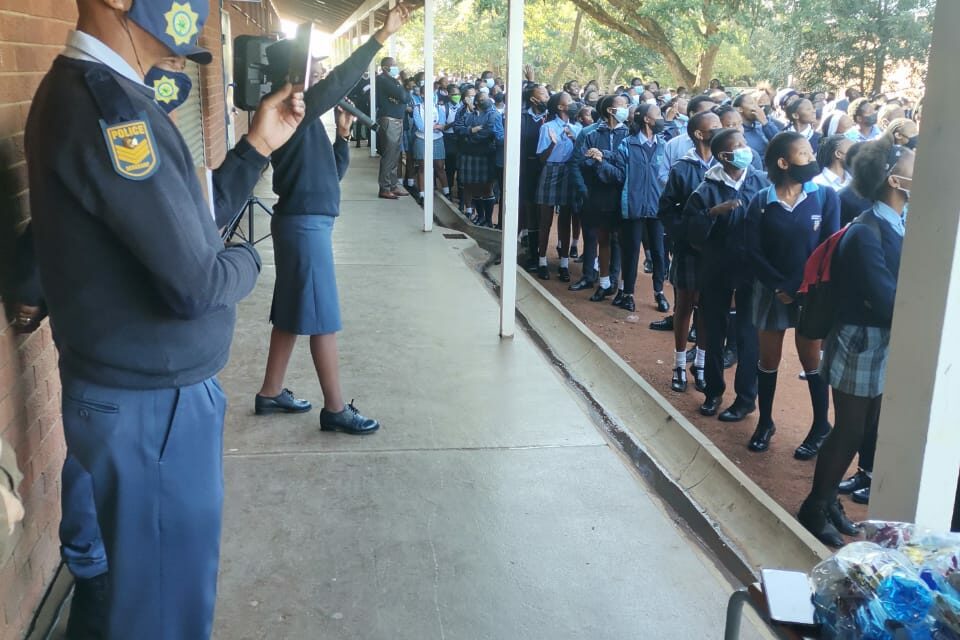
Law enforcement and community safety experts point to the growing influence of organized gangs as the primary driver behind this phenomenon. Many pupils carry firearms either for “protection” against rival gangs or as part of their recruitment into criminal syndicates.
The presence of guns in schools has had a direct correlation with other violent crimes. During the same five-year period:
- 57 school children were arrested for murder.
- More than 795 pupils were arrested for assault with the intent to cause grievous bodily harm (GBH).
- Over 150 learners were apprehended for drug possession and dealing.
The Failure of Infrastructure
The Democratic Alliance (DA) and various school governing bodies have criticized the provincial government for failing to provide adequate security measures. Many schools in the Eastern Cape remain porous, lacking perimeter fencing, functional metal detectors, or trained security personnel.
“Our schools have become soft targets for criminals,” noted Yusuf Cassim, the DA’s Shadow MEC for Community Safety. “When a child can walk into a classroom with a loaded .38 revolver, it is clear that the current safety protocols are not just failing—they are non-existent.”
Searching for Solutions
The MEC for Community Safety has called for an “all-hands-on-deck” approach to reclaiming the province’s schools. This strategy includes:
- Operation Shanela: High-density police operations targeting known gang houses near schools.
- Unannounced Searches: Increasing the frequency of random bag and locker searches by the South African Police Service (SAPS).
- Community Policing Forums (CPFs): Strengthening the link between parents and local police to identify at-risk youth before they turn to weaponry.
Conclusion: A Moral Crossroads
The arrest of more than 70 pupils for firearm possession is more than just a crime statistic; it is a moral emergency. Every gun recovered from a schoolbag represents a potential tragedy averted, but it also signifies a failure of the home and the state to protect a child from the lure of violence.
As the Eastern Cape moves forward in 2026, the challenge will be to ensure that the sound of the school bell is never again drowned out by the sound of gunfire. The province’s future depends on whether it can successfully turn its classrooms back into places of books, not bullets.