In South African classrooms, dedicated educators go beyond textbooks to teach young girl learners essential menstrual hygiene management, demonstrating step-by-step how to properly unwrap, position, and dispose of sanitary pads to combat period poverty, reduce school absenteeism, and eliminate social stigma.
Breaking the Silence in the Classroom

For many young girls in under-resourced township and rural schools across South Africa, the arrival of puberty brings silent anxiety.
Research indicates that a significant percentage of female learners miss up to several days of school every month simply because they lack access to sanitary products or do not know how to manage their periods hygienically and confidently.
Recognizing this barrier to education, life orientation teachers and community health advocates are stepping up.
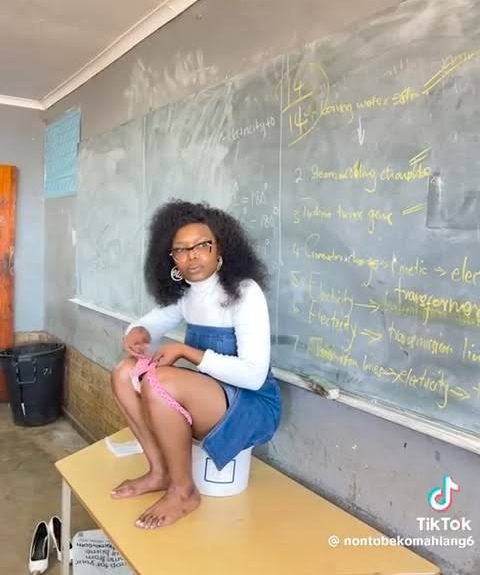
Holding a safe and open dialogue, a teacher stands at the front of the classroom with a model or an unopened pad, turning a taboo subject into an empowering life lesson.
The goal is simple: ensure that a natural biological process never stands in the way of a child’s right to learn.
Step-by-Step: The Practical Demonstration
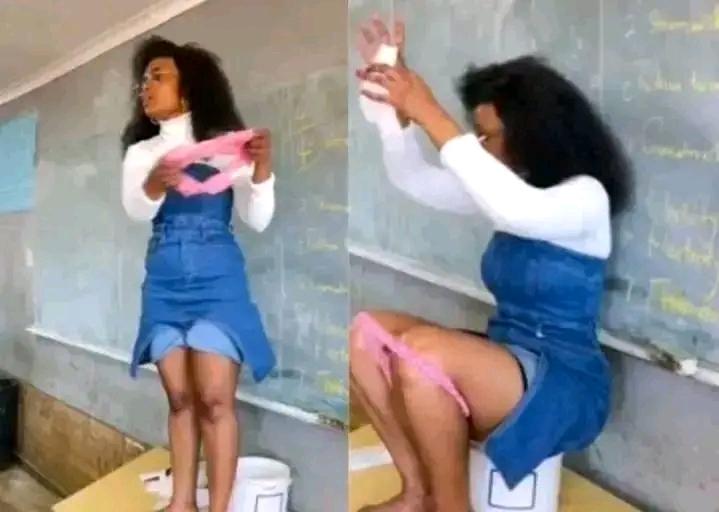
During these interactive sessions, the demonstration breaks down the mechanics of using disposable and reusable sanitary wear into clear, manageable steps.
Preparation: Learners are taught to wash their hands thoroughly with soap and water both before and after handling a sanitary pad.
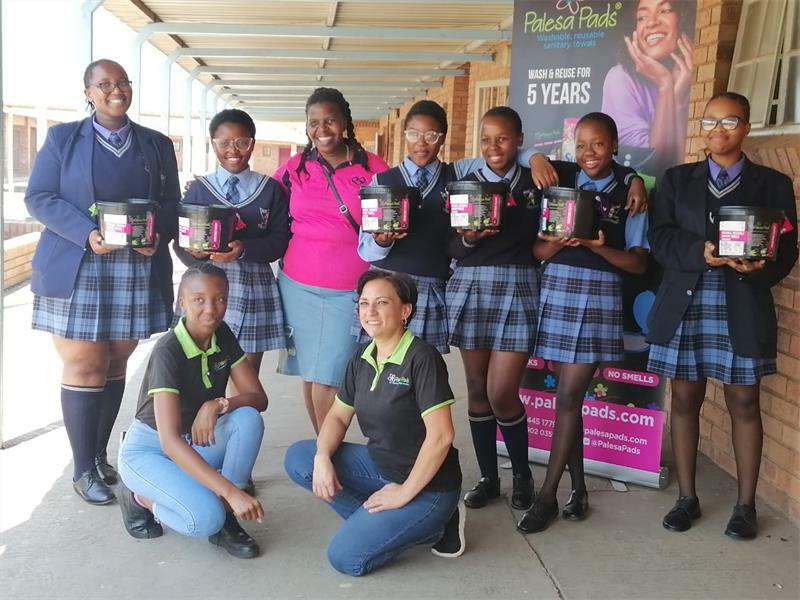
Unwrapping: Gently peel back the outer wrapper of the disposable pad. If it is a reusable cloth pad distributed via localized dignity campaigns, check the fastening clips or poppers.
Placement: Pull down underwear slightly and place the sticky, adhesive side of the pad firmly down onto the center gusset of the panty. The wider end of the pad should face toward the back for optimal coverage.

Securing the Wings: If the pad features wings, peel off the small paper strips protecting the adhesive on the flaps, wrap them securely around the underside of the underwear fabric, and press firmly.
Comfort Check: Ensure the pad lies as flat and smooth as possible to prevent uncomfortable bunching or side-leaks.
Changing and Hygienic Disposal
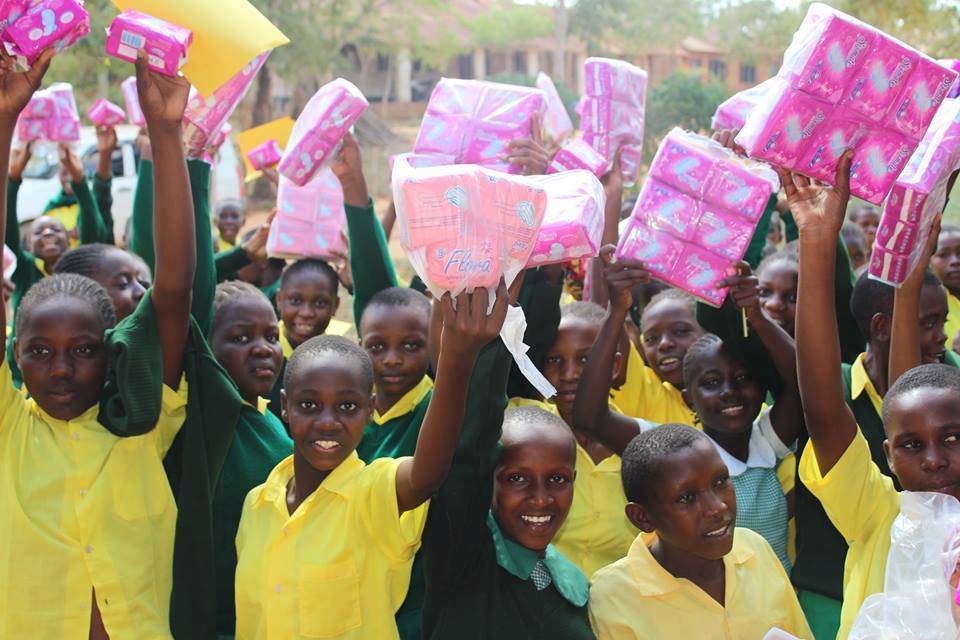
Equally important to putting a pad on is knowing when and how to take it off.
Teachers stress that pads must be changed every four to six hours—or more frequently on heavy flow days—to prevent bacterial growth, skin irritation, and unpleasant odors.
Learners are guided through the correct disposal routine:Remove the used pad carefully from the underwear.
Roll or fold the used pad neatly into its original wrapper or wrap it securely in toilet paper.
Never flush pads down the toilet, as this causes severe plumbing blockages in school facilities.
Place the wrapped bundle directly into a covered bathroom waste bin.
Restoring Dignity and Keeping Girls in School
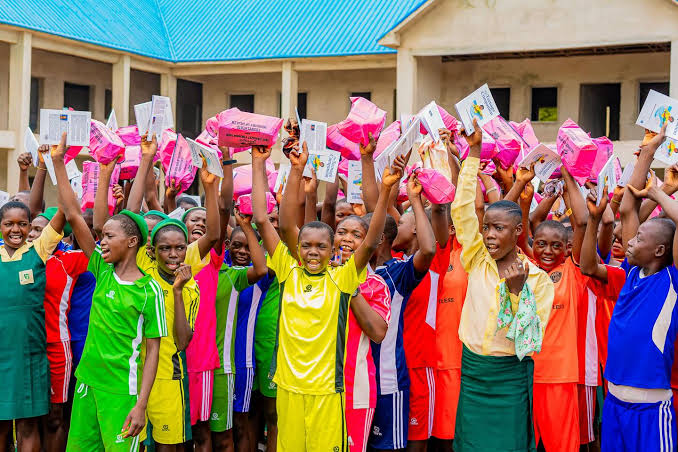
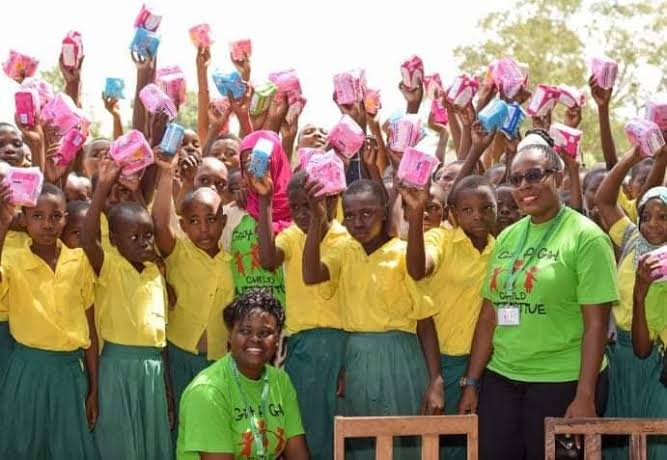
Government initiatives like the Department of Basic Education Sanitary Dignity Programme, alongside non-profit efforts such as Project Dignity, work to supply free products to indigent learners.
However, the physical distribution of pads must go hand in hand with practical guidance from teachers on the ground.
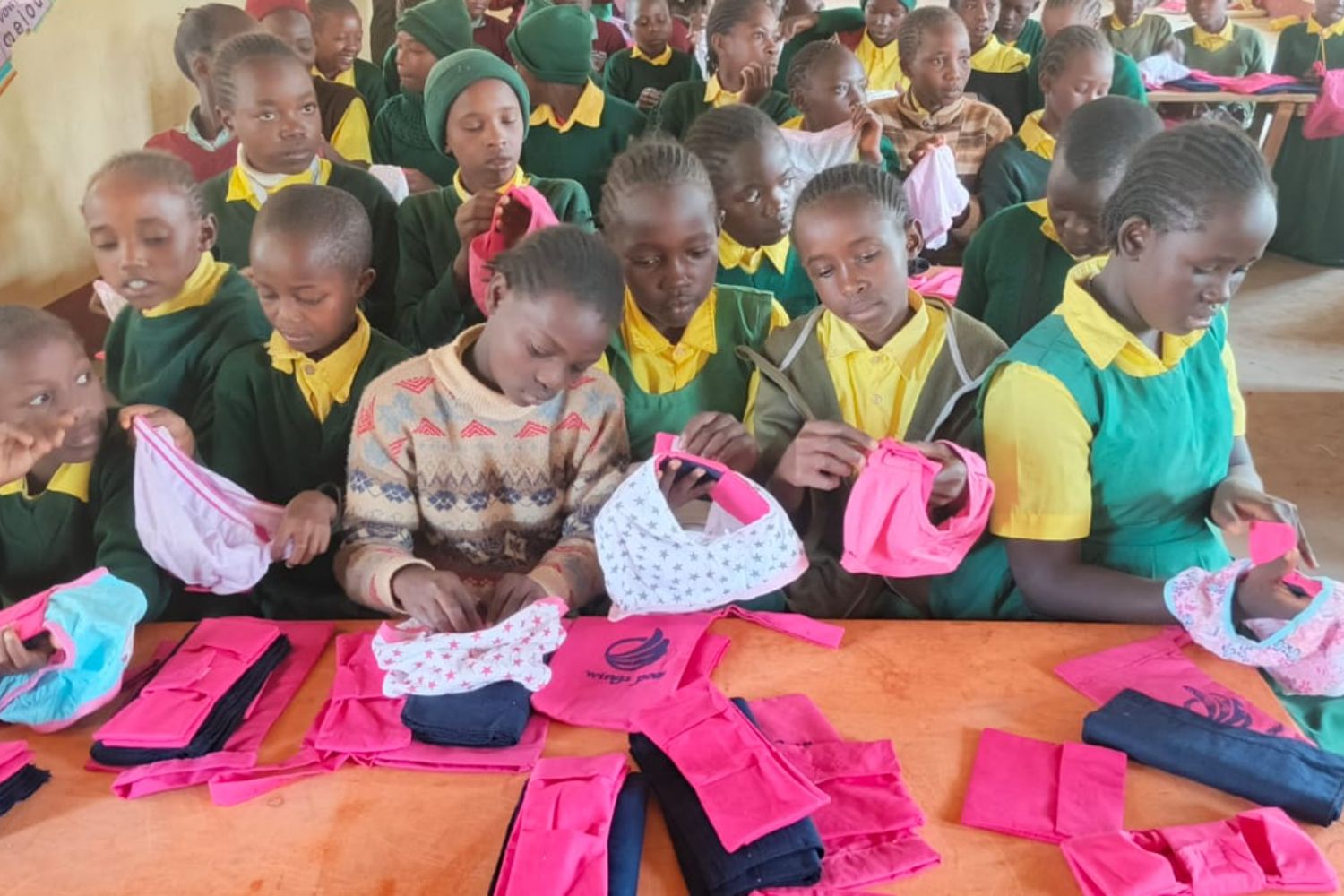
When educators demystify the process, fear and shame dissipate.
Learners leave the classroom equipped with practical knowledge, renewed confidence, and the physical security they need to stay focused on their studies, write their exams, and complete their schooling uninterrupted.


