The narrative of South African football has shifted from the dusty pitches of KwaZulu-Natal to the high-tech training facilities of Illinois. As of May 2026, the spotlight on South African international Mbekezeli Mbokazi has intensified, not just for his defensive masterclasses in Major League Soccer (MLS), but for the staggering financial figures attached to his name.
Confirmed reports and recent salary disclosures from the MLS Players Association (MLSPA) have revealed that the former Orlando Pirates standout is currently earning a base salary of $54,635 per month at Chicago Fire FC. In a South African context, this figure is more than just a paycheck—it is a symbol of the massive economic divide between domestic football and the global market.
Breaking Down the Rands and Cents
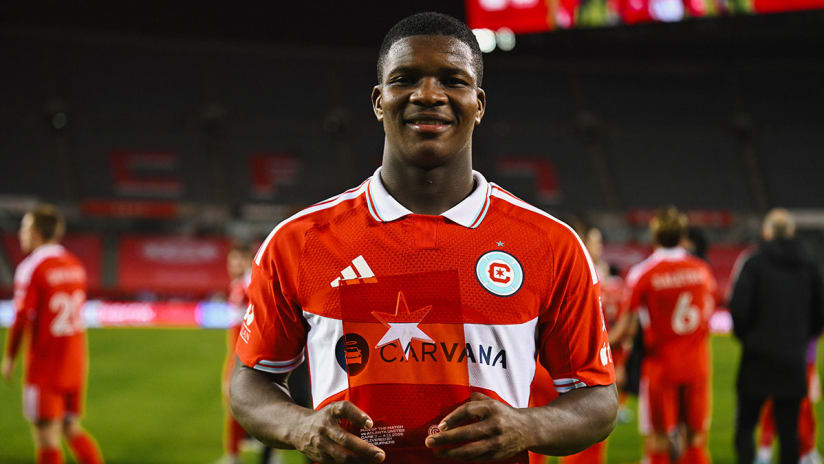
To understand why the “Mbokazi Move” has become such a hot topic in the shebeens and boardrooms of South Africa, one must look at the conversion. At the current exchange rate, $54,635 translates to approximately R1,003,500 per month.
For a 20-year-old defender who was playing in the DStv Diski Challenge (DDC) not too long ago, hitting the R1 million-a-month mark is a historic milestone.
Mbokazi’s Financial Snapshot:
- Monthly Salary: $54,635 (~R1,003,500)
- Annual Base Salary: ~$655,620 (~R12,042,000)
- Guaranteed Compensation: When factoring in signing bonuses and marketing rights, his total package is estimated to exceed $720,000 per annum.
By comparison, the highest earners in South Africa’s Betway Premiership—typically senior stars at Mamelodi Sundowns—earn between R500,000 and R800,000 per month. Mbokazi has managed to surpass the “Big Three” salary ceiling while still in the developmental phase of his career.
The Chicago Fire Investment: Why $54k?
Chicago Fire’s decision to hand such a lucrative contract to a young South African defender was not an act of charity; it was a calculated tactical investment. Mbokazi was signed under the MLS U-22 Initiative, a roster rule designed to allow clubs to sign young stars from abroad without the massive “Salary Cap” hit usually associated with high-earning Designated Players.
Head coach Gregg Berhalter identified Mbokazi’s physical profile—standing at nearly 1.9 meters with exceptional recovery speed—as the perfect fit for the MLS’s high-pressing, transition-heavy style of play.
“We paid for potential, but we are being rewarded with performance,” a source within the Fire technical team noted. “At $54,000 a month, Mbekezeli is actually considered a ‘value’ signing when you compare his stats to veteran defenders in the league earning over a million dollars a year.”
Life in the Windy City: The Cost of the Move
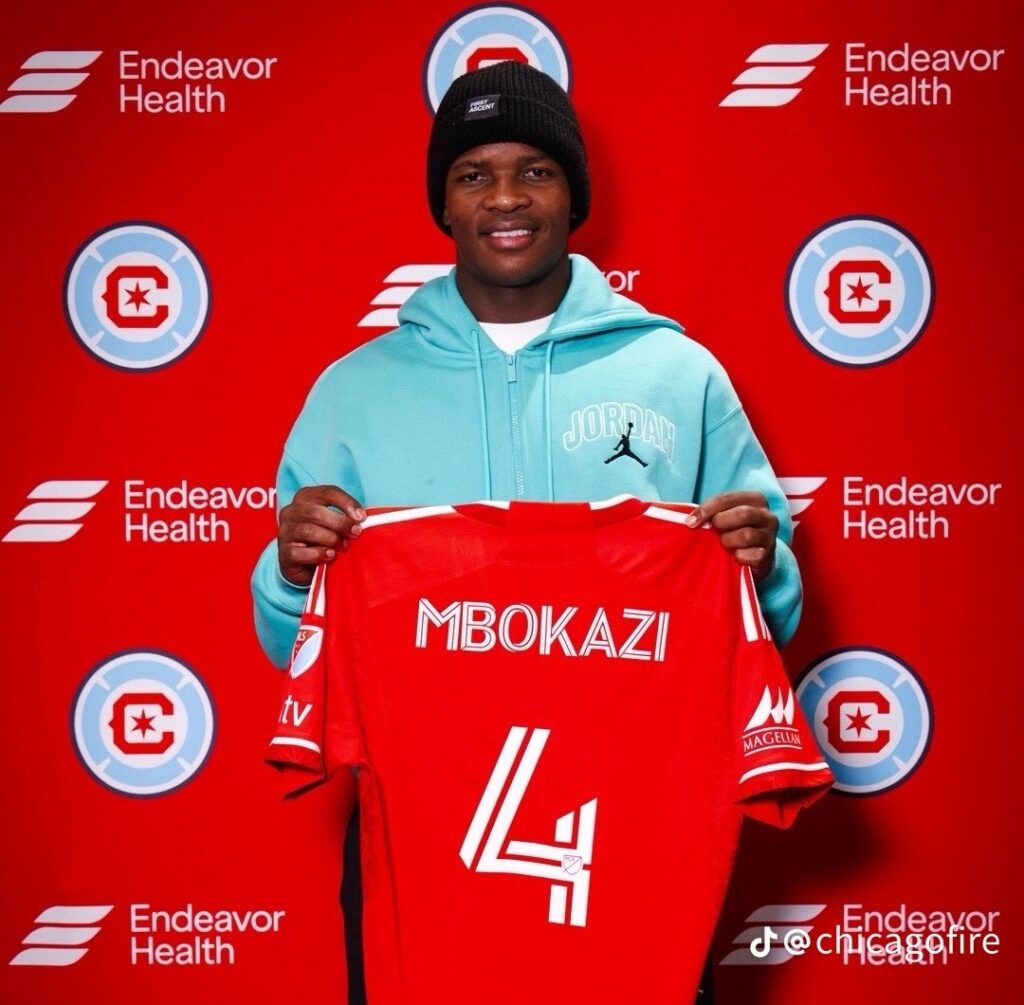
While the R1 million monthly salary sounds like a king’s ransom, the reality of life in Chicago involves a different set of economics. Chicago is one of the most expensive cities in North America.
- Taxation: Between Federal and State taxes, Mbokazi likely sees roughly 35-40% of his gross salary deducted before it hits his account.
- Cost of Living: High-end housing in downtown Chicago or near the Soldier Field stadium can cost upwards of $4,000 (R73,000) per month.
Despite these costs, the “net” take-home pay remains significantly higher than what any local club, including Kaizer Chiefs or Orlando Pirates, could realistically offer a 20-year-old. This financial security has allowed Mbokazi to focus entirely on his football, leading to a surge in form that has caught the eye of European scouts.
Impact on Bafana Bafana and the National Psyche
Mbokazi’s earnings have sparked a debate within South African football circles about “player retention.” National team coach Hugo Broos has often lamented the fact that South African players are “too comfortable” at home because the local salaries are relatively high compared to smaller European leagues.
However, Mbokazi has shattered that mold. He has shown that by moving to a “Tier 2” global league like the MLS, a player can achieve both financial freedom and tactical growth. His performances in the 2026 season—where he has averaged 5.2 interceptions and 4.1 aerial duels won per match—have made him an undisputed starter for Bafana Bafana as they prepare for the 2026 FIFA World Cup.
ALSO READ THIS:
The “Mbokazi Blueprint” for Young Talent
Mbokazi’s success is already influencing the next generation of talent. Agents and scouts are now looking at the MLS as a primary destination rather than a “retirement league.”
Mbokazi has effectively become the “poster boy” for the U-22 Initiative. His story tells young players at the Richards Bay or Sekhukhune academies that they don’t need to wait until they are 28 to earn big money; they just need to be brave enough to leave the nest early.
Conclusion: Beyond the Bank Balance
As Mbekezeli Mbokazi takes to the field for Chicago Fire’s next clash, the $54,635 monthly figure will undoubtedly be mentioned by commentators and fans alike. However, for Mbokazi, the money is a byproduct of his discipline.
From the rural roads of Hluhluwe to the skyscrapers of Chicago, his journey is a testament to the fact that South African talent is world-class. If he continues his current trajectory, the $54k per month may soon look like a bargain as the European giants begin to circle with “blank check” offers for the man they call the “South African Wall.”
Summary: Mbekezeli Mbokazi Contract Details
| Detail | Figure (USD) | Figure (ZAR) |
| Monthly Base | $54,635 | ~R1,003,500 |
| Annual Base | $655,620 | ~R12,042,000 |
| Contract Length | 4 Years | Ends Dec 2029 |
| Roster Category | U-22 Initiative | – |
Do you believe more South African youngsters should snub the local “Big Three” in favor of developmental deals in leagues like the MLS?