MPOPHOMENI, KWAZULU-NATAL — The township of Mpophomeni, located near Howick in the KwaZulu-Natal Midlands, has been plunged into a state of fear and instability following a series of targeted attacks on foreign nationals and their businesses. Between Tuesday night, April 7, and Thursday morning, April 9, 2026, groups of residents launched coordinated raids, looting shops and forcing dozens of foreign families to flee their homes in what local authorities describe as a deliberate attempt to drive non-nationals out of the area.
The violence has primarily centered around the Kwa-Chief and Ebumandini sections, as well as the Mpophomeni Shopping Centre, leaving a trail of looted properties and heightened communal tensions.
A Night of Terror: The Initial Outbreak
The unrest began on Tuesday night when a group of more than 20 people moved through the residential streets of Kwa-Chief. Witnesses reported that the mob specifically targeted homes known to be occupied by foreign national tenants.
In several instances, homes were stormed, and residents were forced to flee with only the clothes on their backs.
- Injuries: At least one tenant was reported slightly injured during the forced evictions.
- Property Damage: Multiple homes were ransacked, with personal belongings stolen or destroyed.
- Displacement: Frightened families sought refuge with sympathetic neighbors or fled to nearby Pietermaritzburg to stay with relatives.
Escalation: The Shopping Centre Raid
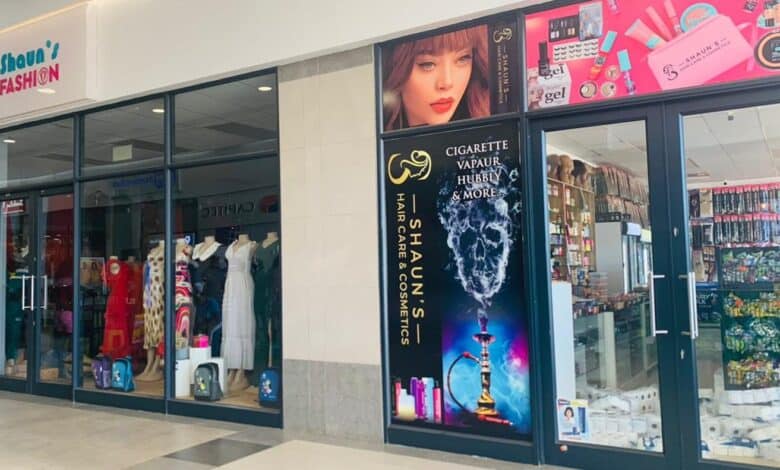
By Wednesday afternoon, the violence moved from residential areas to the commercial heart of the township. Management at the Mpophomeni Shopping Centre confirmed that a group of individuals stormed the facility, demanding that all foreign-owned businesses vacate the premises immediately.
The targeted businesses include:
- A hair and beauty salon
- A clothing outlet
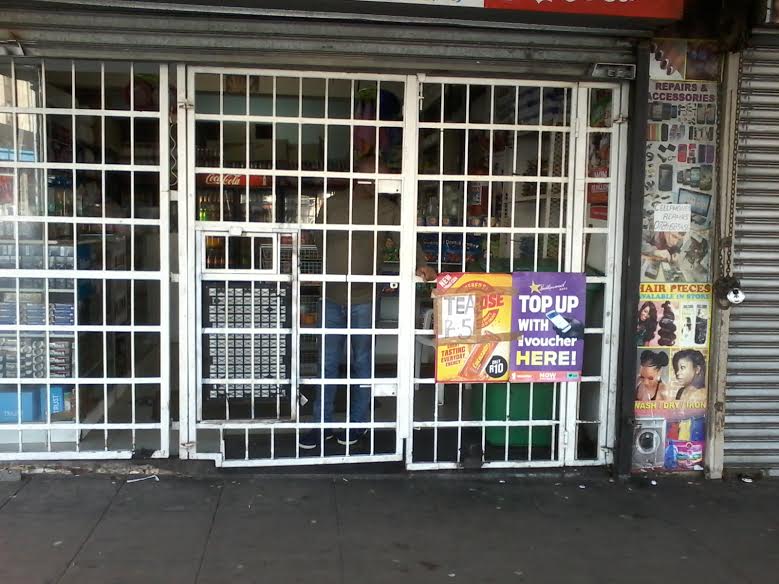
- A cellphone repair shop
- A hardware store
Shop owners were reportedly assaulted during the raid, and at least one store was completely looted before security could intervene. On Thursday morning, all five targeted shops remained shuttered, with the owners too terrified to return to work. Businesses located directly opposite the shopping center followed suit, closing their doors as a precaution.
Policing and the Community Response
The Mpophomeni Community Policing Forum (CPF), led by Chairperson Sibusiso Kunene, acted quickly to call for reinforcements as local police were initially outnumbered. Public Order Policing (POP) units were deployed to the area on Wednesday night to stabilize the situation and prevent further looting.
By Thursday morning, a heavy security presence remained in the township:
- SAPS and Private Security: Armed response teams and police officers were stationed at the entrances of the Mpophomeni Shopping Centre and patrolled the Ebumandini area.
- Arrests: Authorities have warned that those involved in the looting and assaults will be identified through CCTV and community tip-offs.
“It came to our attention that people were looting under the guise of community grievances,” said Kunene. “We cannot allow vigilantism to take over. We are working with the police to ensure that order is restored and that those who broke the law face the consequences.”
The Underlying Tensions: A National Context
The events in Mpophomeni do not exist in a vacuum. They coincide with a period of heightened national discourse regarding immigration. Just this week, the Department of Home Affairs reported the deportation of nearly 110,000 illegal immigrants over the past two years, reflecting a “crackdown” mentality that some activists fear may embolden vigilante groups.
In Mpophomeni, residents have cited concerns over local unemployment and the dominance of foreign-owned spaza shops as catalysts for the anger. However, human rights groups have condemned the “collective punishment” of foreign nationals, many of whom are documented and have lived in the community for years.
The Human Cost: “We Have Nowhere to Go”
For the victims, the trauma is compounded by a sense of betrayal. Many of the shop owners and tenants targeted have been part of the Mpophomeni social fabric for a long time.
One displaced resident, who asked to remain anonymous, described the terror of the Tuesday night raid: “They didn’t ask for papers; they just said ‘Get out.’ My children were screaming. We have nowhere to go, and everything we worked for is in that shop.”
As of Friday, April 10, the situation remains “fragile but stable.” While the presence of Public Order Policing has stopped the active looting, the township remains a ghost town for foreign-owned commerce. The uMngeni Municipality has reportedly begun rolling out emergency relief to some displaced residents, but the long-term question of social cohesion in Mpophomeni remains unanswered.
Mpophomeni Unrest Timeline (April 2026):
| Date | Event | Location |
| April 7 (Night) | Mob of 20+ loots a shop and storms residential homes. | Kwa-Chief & Ebumandini |
| April 8 (Afternoon) | Group storms shopping centre; 5 shops closed due to assault. | Mpophomeni Shopping Centre |
| April 9 (Morning) | Tension remains high; POP units deployed. | Township-wide |
| April 10 | Heavy security presence; shops remain closed. | Mpophomeni Central |