A shocking smartphone video has once again plunged South Africa’s public education system into a fierce national debate.
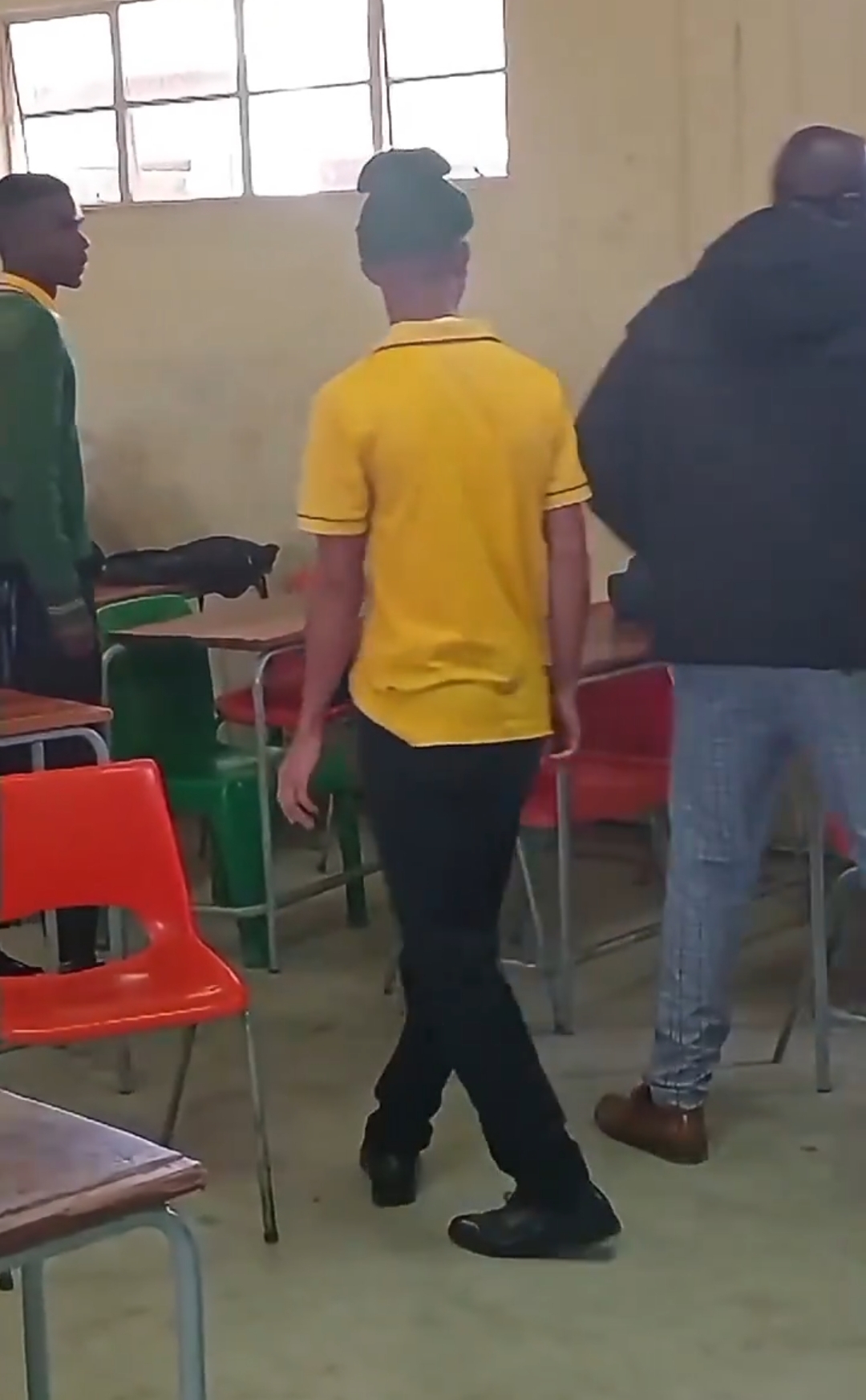
The brief, chaotic clip—which quickly amassed hundreds of thousands of views across TikTok, X, and Facebook—captures a tense confrontation inside a high school classroom.
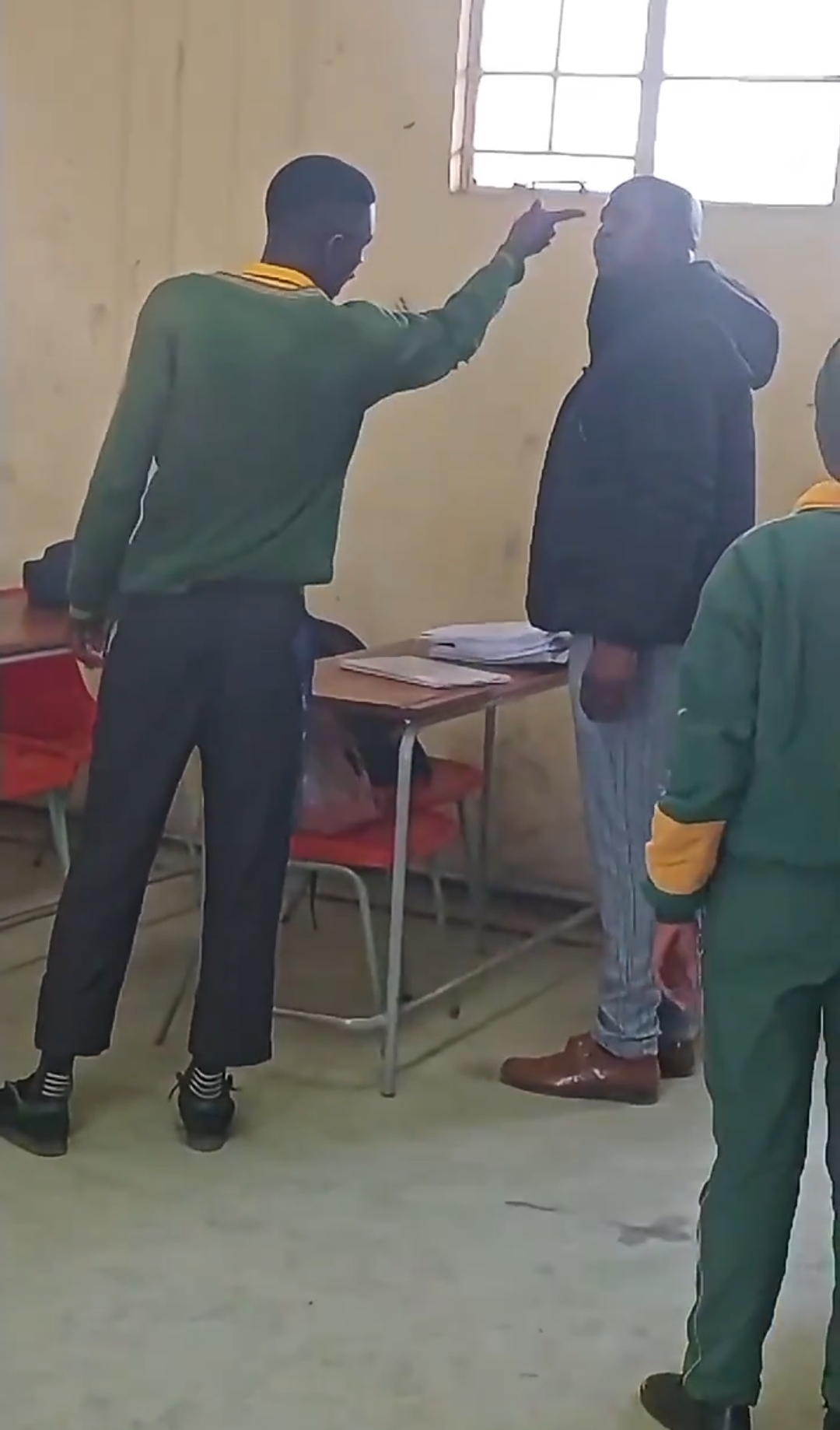
In the footage, a learner stands aggressively over a teacher, pointing a finger directly at their face while hurling a barrage of loud, targeted insults.
The educator, visibly distressed yet desperately attempting to maintain professional composure, struggles to regain control of a room filled with mocking laughter and ambient cross-talk from other pupils.
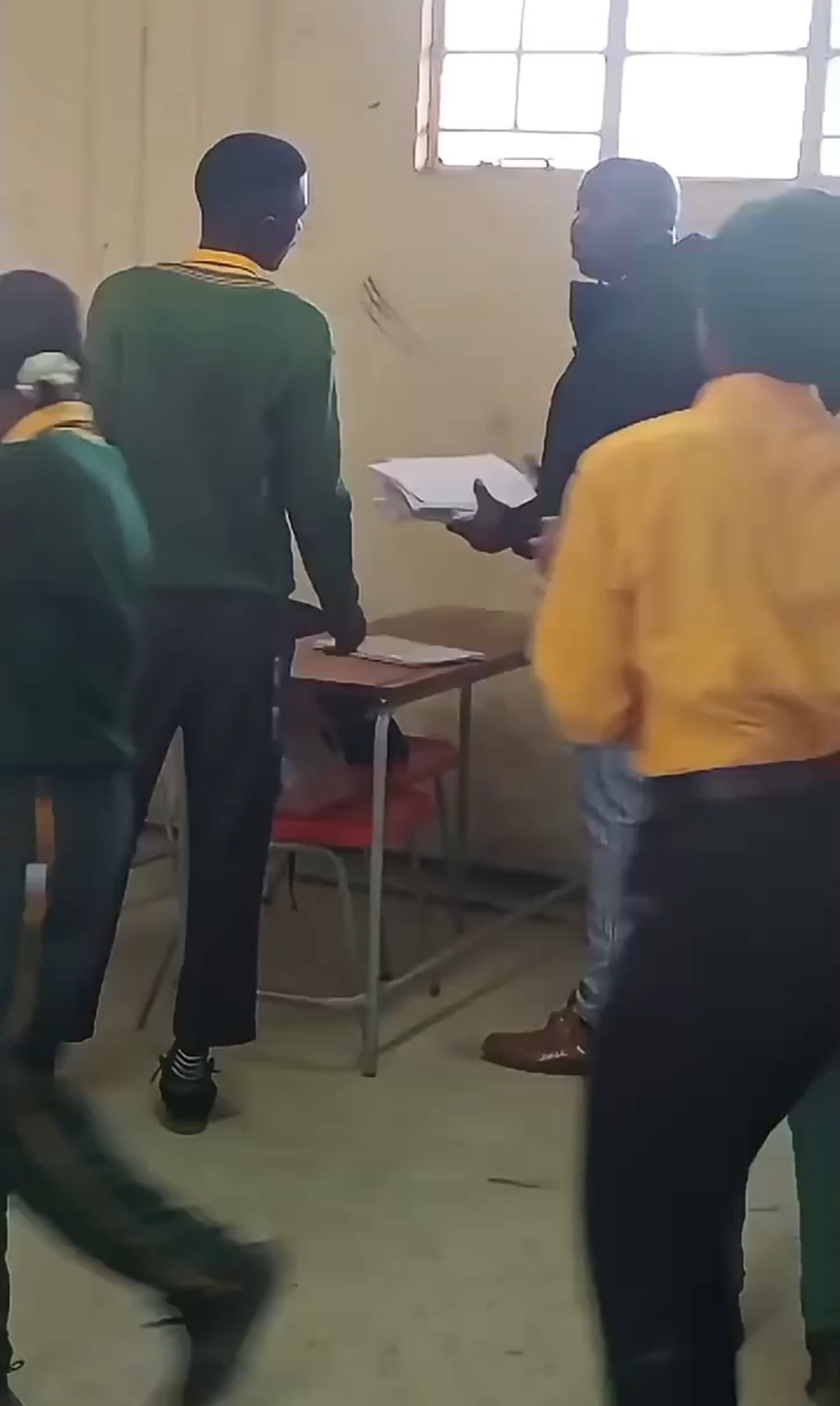
While social media feeds are often dominated by passing trends, this specific viral video has struck a painful nerve across South Africa. It does not exist in a vacuum.
Instead, it serves as a raw, unfiltered snapshot of a deeply entrenched systemic crisis: the erosion of authority, a rampant breakdown of classroom discipline, and the growing vulnerability of educators who feel increasingly unprotected within their own workspaces.
The Anatomy of an Incident
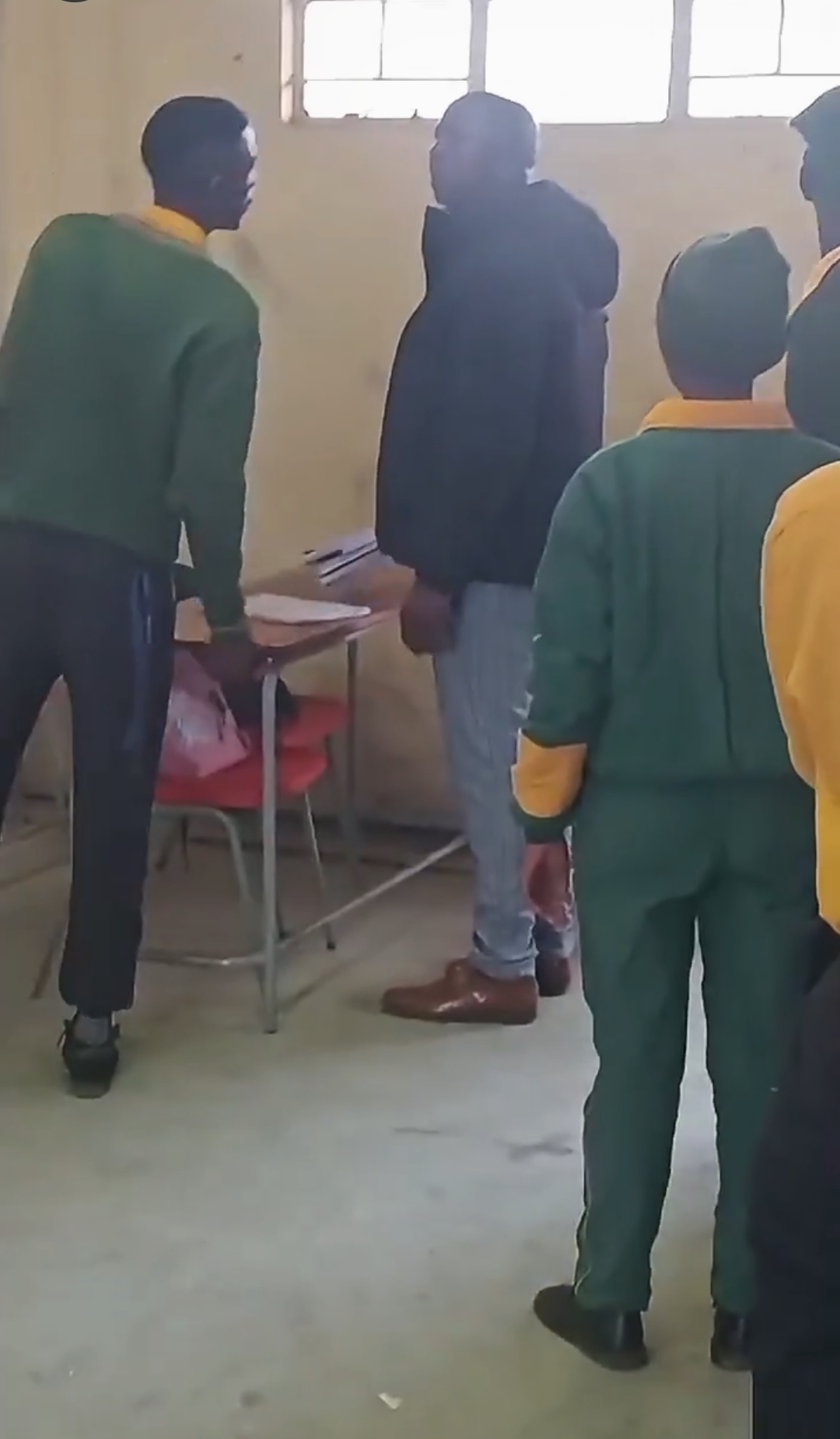
The viral clip follows a troubling script that has become all too familiar to the South African public.
The confrontation appears to stem from a minor disciplinary disagreement before rapidly escalating into overt insubordination.
When the learner lunges forward, pointing aggressively, the boundary of basic human respect is completely obliterated.
For many viewers, the most disturbing aspect of the video is not just the single antagonist, but the enabling environment surrounding them.
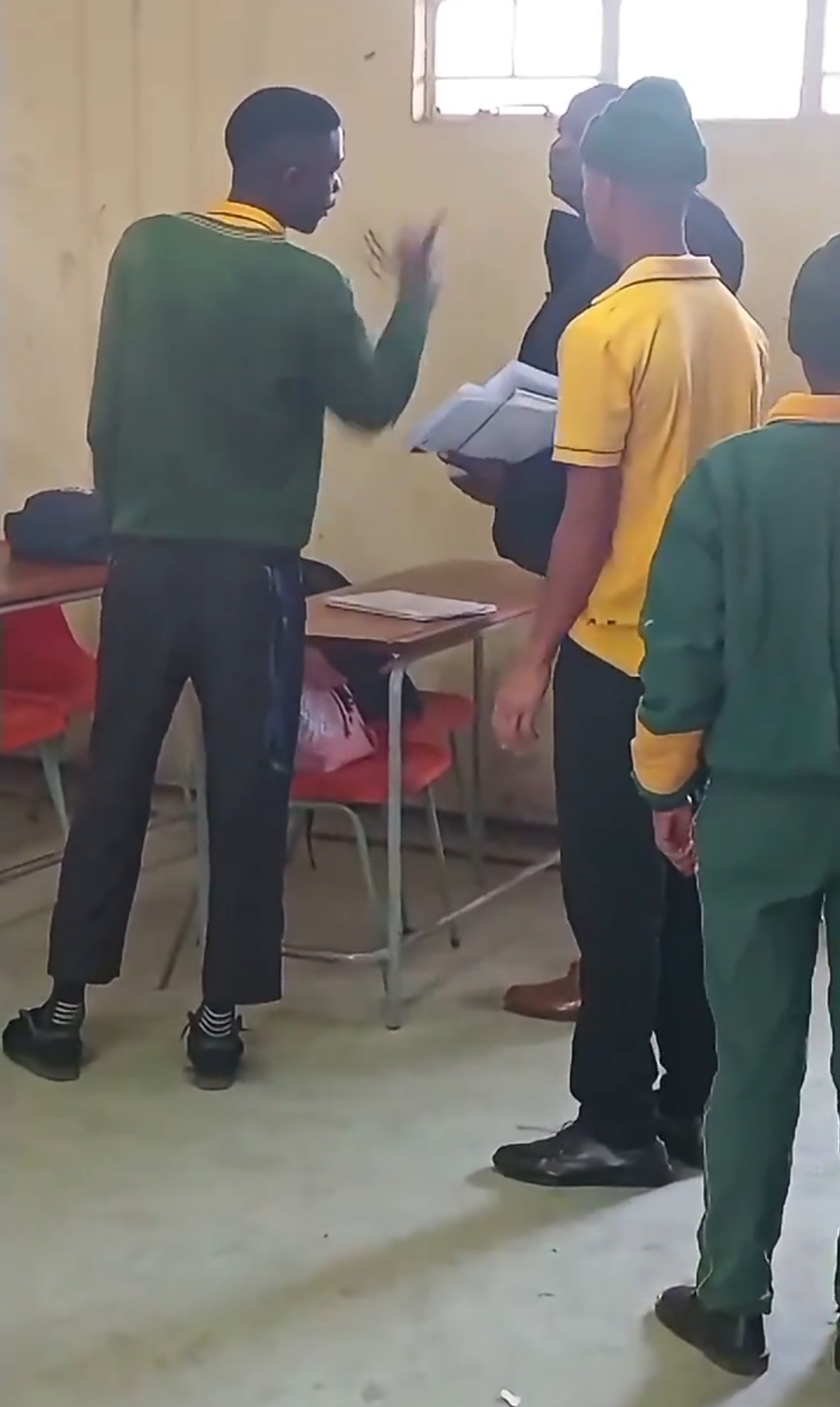
Rather than intervening or expressing shock, several classmates can be heard jeering, filming on their own mobile devices, and treating a serious breach of school code as localized entertainment.
Reaction from the public, parent-teacher associations, and labor unions was swift and fiercely critical.
The South African Democratic Teachers’ Union (SADTU) and independent education analysts have repeatedly raised alarms regarding the deteriorating state of safety and morale in schools.
Commentators online have widely condemned the behavior as completely unacceptable, with many demanding immediate suspension or expulsion for the learner involved.
A Reflection of Societal Fractures
To understand why a classroom can transform into a hostile environment, one must look at the broader societal fractures impacting South African youth.
Experts note that school violence and insubordination are frequently downstream reflections of the socio-economic challenges, community instability, and trauma that learners carry through the school gates every morning.
When respect for authority breaks down at a community level, the classroom inevitably becomes the frontline where that friction plays out.
Furthermore, since the abolition of corporal punishment—a historically necessary step to protect children from physical abuse—many educators argue that a viable, structured alternative for enforcing discipline was never successfully established.
Teachers frequently report feeling completely toothless when dealing with severe behavioral disruptions.
Under current regulations, a teacher cannot physically defend themselves unless under direct physical threat, and navigating the bureaucratic labyrinth of formal disciplinary hearings often yields little immediate relief for a chaotic classroom environment.
The Heavy Toll on South Africa’s Educator
The psychological and structural fallout of this dynamic is devastating the country’s teaching corps. Incidents like the one captured in the viral video are driving massive numbers of qualified professionals away from the blackboard.
Recent surveys indicate that a staggering percentage of South African educators are actively considering leaving the profession due to safety anxieties, unmanaged stress, and a lack of institutional backing.
When teachers are forced to operate in a constant state of hyper-vigilance, the quality of education drops sharply.
Lessons are derailed, academic time is wasted on basic crowd control, and the passion that draws individuals to the noble path of teaching is systematically extinguished.
Furthermore, this hostile climate severely threatens the pipeline of new talent; student teachers executing their mandatory practical modules are increasingly exposed to verbal and physical hostility before they even graduate.