On the green grass of Mayfair and across South Africa’s premier stadiums, Oswin Appollis has looked entirely untouchable. Since executing a high-profile blockbuster switch to Orlando Pirates, the fleet-footed Bafana Bafana winger has put together a breathtaking campaign, helping power the Sea Robbers toward dynamic domestic glory.
Yet, while the 24-year-old maestro is preparing to spearhead South Africa’s upcoming World Cup showcase, a bitter and complex financial dispute is quietly brewing behind closed doors. At the center of this controversy is an unfulfilled contractual agreement, a former club feeling deeply shortchanged, and a looming battle over a missing sell-on clause distribution.
The Root of the Conflict: Pretoria Callies Speak Out
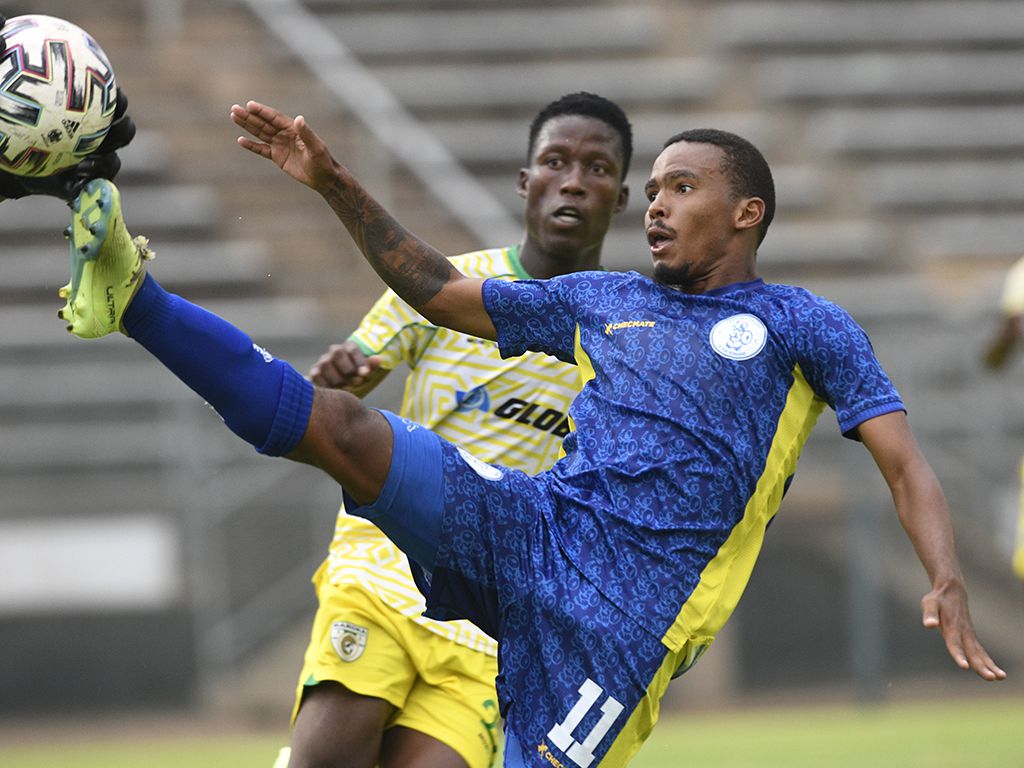
The controversy officially burst into the public domain when Pretoria Callies chairman, Moses Malada, broke his silence regarding the financial loose ends of Appollis’s rapid rise through the domestic ranks.
Before Appollis was a household name starring in the Soweto Derby and rescuing Bafana Bafana on the international stage, he was a young prospect finding his feet in the lower divisions. Pretoria Callies took a gamble on his immense raw talent, polishing his skills before eventually facilitating his move up the football pyramid to Polokwane City.
According to Malada, that initial developmental transfer came with a crucial, legally binding caveat: a future sell-on percentage.
“I’m still fighting with Polokwane over the sell-on agreement on Appollis,” a visibly frustrated Malada revealed. “Polokwane were supposed to pay us when he transferred to Pirates.”
The Callies chief went to great lengths to clear Orlando Pirates of any wrongdoing in the multi-million rand transaction. Malada noted that the Soweto giants conducted their business with complete integrity, paying out the entirety of the attacker’s transfer fee directly to the selling entity.
“I know that Pirates definitely paid them all the money, and so they must give us what is due to us,” Malada stated. “We sold him to Polokwane for R900,000 and put a sell-on clause in place knowing too well that he would eventually be sold to another team.”
The Discrepancy in the Numbers
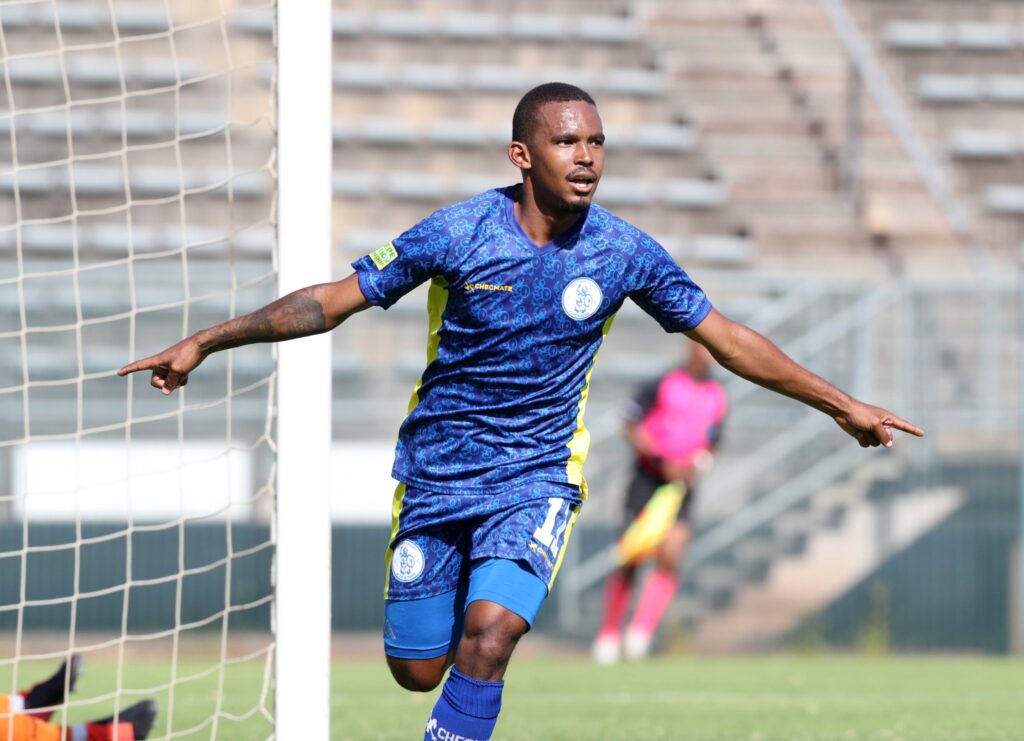
The business of modern football relies heavily on these conditional clauses. For Motsepe Foundation Championship (lower league) sides like Pretoria Callies, survival and sustainability are entirely dependent on discovering diamond-in-the-rough talents, selling them at a modest price, and banking on a massive financial windfall whenever those players reach the pinnacle of the sport.
When Polokwane City originally acquired Appollis from Callies for R900,000, it was viewed as a mutually beneficial stepping stone. While leading the line for Rise and Shine, Appollis’s stock skyrocketed, prompting a fierce bidding war between South Africa’s “Big Three”—Orlando Pirates, Kaizer Chiefs, and Mamelodi Sundowns.
Ultimately, the Buccaneers won the race to his signature, wrapping up a deal for a reported bargain price of R12 million.
| Financial Metric | Recorded Figure | Responsible Party |
| Original Transfer Fee (Callies to Polokwane) | R900,000 | Polokwane City (Paid) |
| Subsequent Transfer Fee (Polokwane to Pirates) | R12,000,000 | Orlando Pirates (Paid) |
| Agreed Secondary Kickback | Contractual % | Polokwane City (Owed/Unpaid) |
With millions of rands changing hands in the move to Mayfair, a significant percentage was contractually earmarked to head right back into the Pretoria Callies bank account. Instead, months after the ink dried on Appollis’s contract, Callies have been left empty-handed, forced to wage a bureaucratic war to claim their legal portion of the pie.
International Interest Raises the Stakes
What makes this financial standoff incredibly time-sensitive is Appollis’s skyrocketing international trajectory. The winger’s spectacular performances haven’t just won over the domestic faithful; they have caught the attention of scouts operating across Europe.
Speculation has reached a fever pitch following reports that Portuguese heavyweights FC Porto have tabled a massive R70 million bid to lure the Bafana Bafana star to the Primeira Liga.
Should Orlando Pirates opt to cash in on their prized asset for such an astronomical figure, Polokwane City likely stands to benefit from another lucrative sell-on clause of their own. Malada was quick to point this out, highlighting the glaring hypocrisy of a club eagerly waiting to collect future European dividends while simultaneously withholding past domestic dues.
“Considering that Appollis is going to the World Cup and might be taken by another team, I’m sure Polokwane also have a sell-on clause which they might benefit from,” Malada pointed out.
The Broader Impact on South African Football
This ongoing dispute shines a glaring spotlight on a systemic issue plaguing the ecosystem of South African football: the exploitation of lower-tier developmental clubs.
When top-flight teams fail to honor sell-on agreements in a timely fashion, it directly stifles grassroots development. The money owed to Pretoria Callies isn’t just a number on a spreadsheet; it represents funding for youth academies, improved training facilities, transport, and the scouting of the next Oswin Appollis.
As the legal teams prepare to square off, the football fraternity will be watching closely. For now, the hope remains that the boardroom drama can be resolved quietly and swiftly, ensuring that the brilliant young winger can keep his eyes firmly fixed on delivering magic on the pitch without the distracting noise of administrative warfare echoing from behind him.
For a closer look at the player at the center of this financial storm, this Oswin Appollis Transfer Profile breaks down the massive international interest he is attracting from European clubs like FC Porto and analyzes his incredible rise through the ranks of South African football.