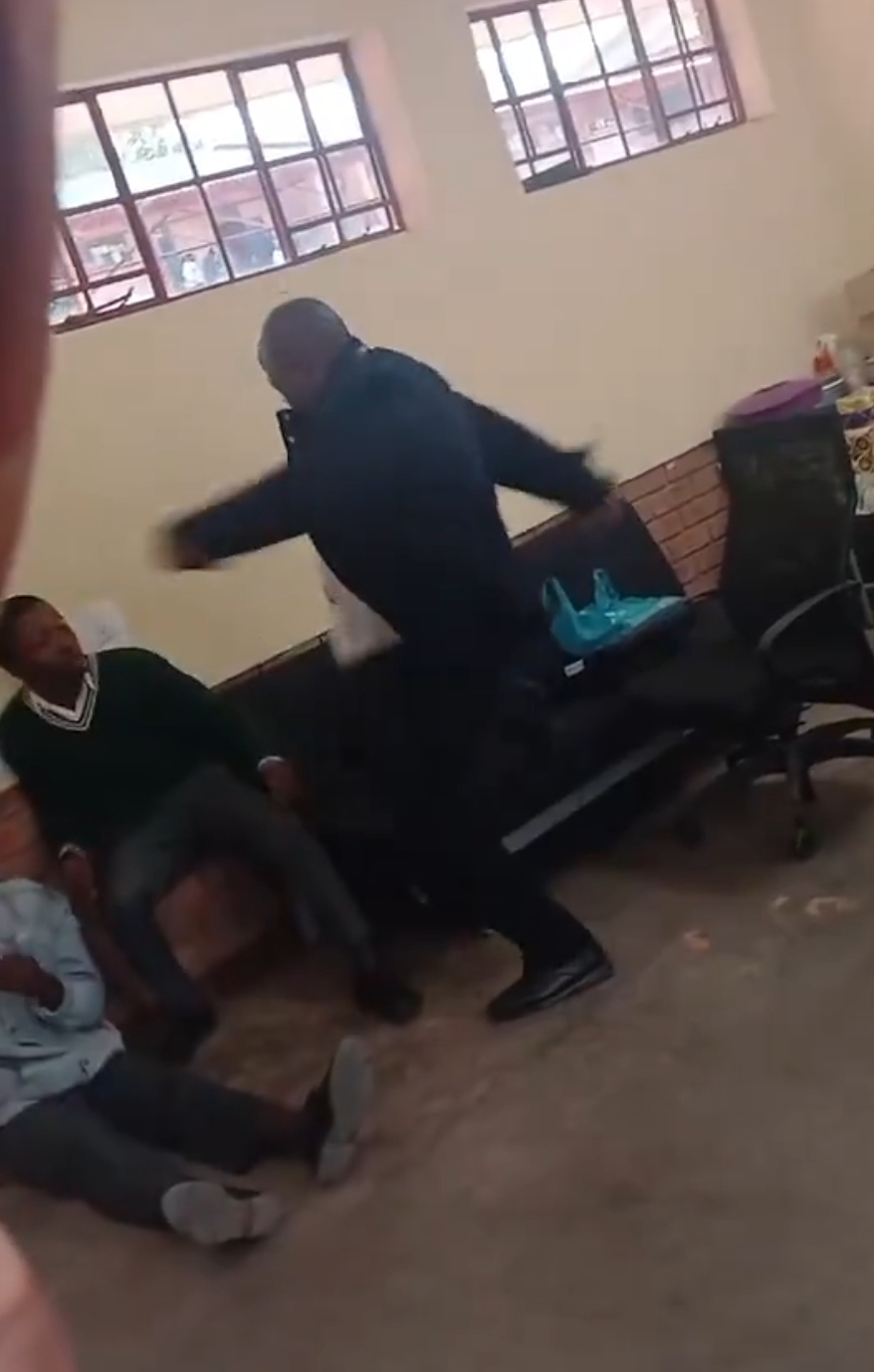
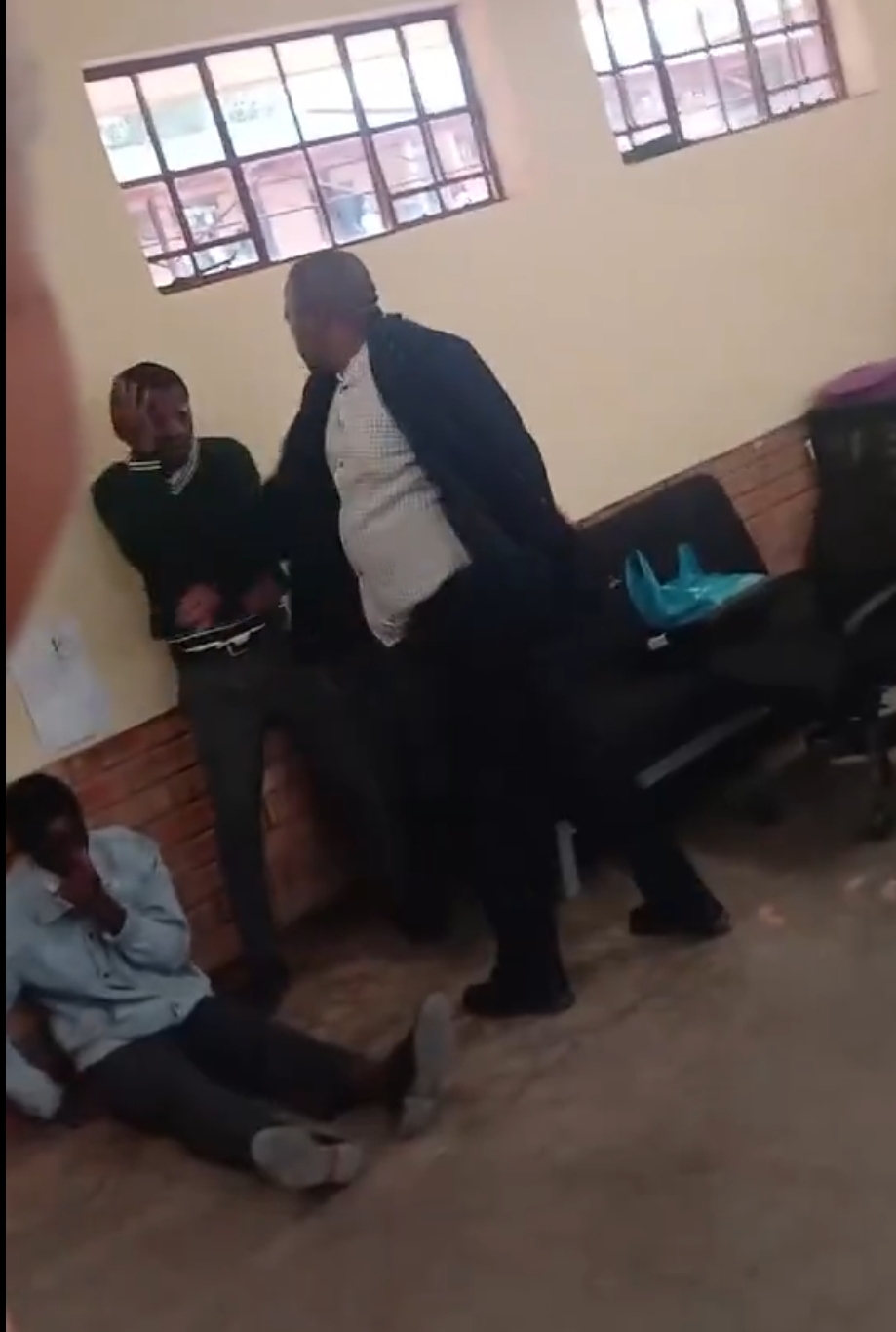
A shocking new viral video showing a South African teacher engaging in a physical altercation with a learner has once again thrown the nation’s education system into the spotlight.
The highly controversial footage, which depicts an educator violently punching and physically subduing a student, has generated massive public outcry across social media, drawing urgent condemnation from parents, civil society, and regional departments of education.
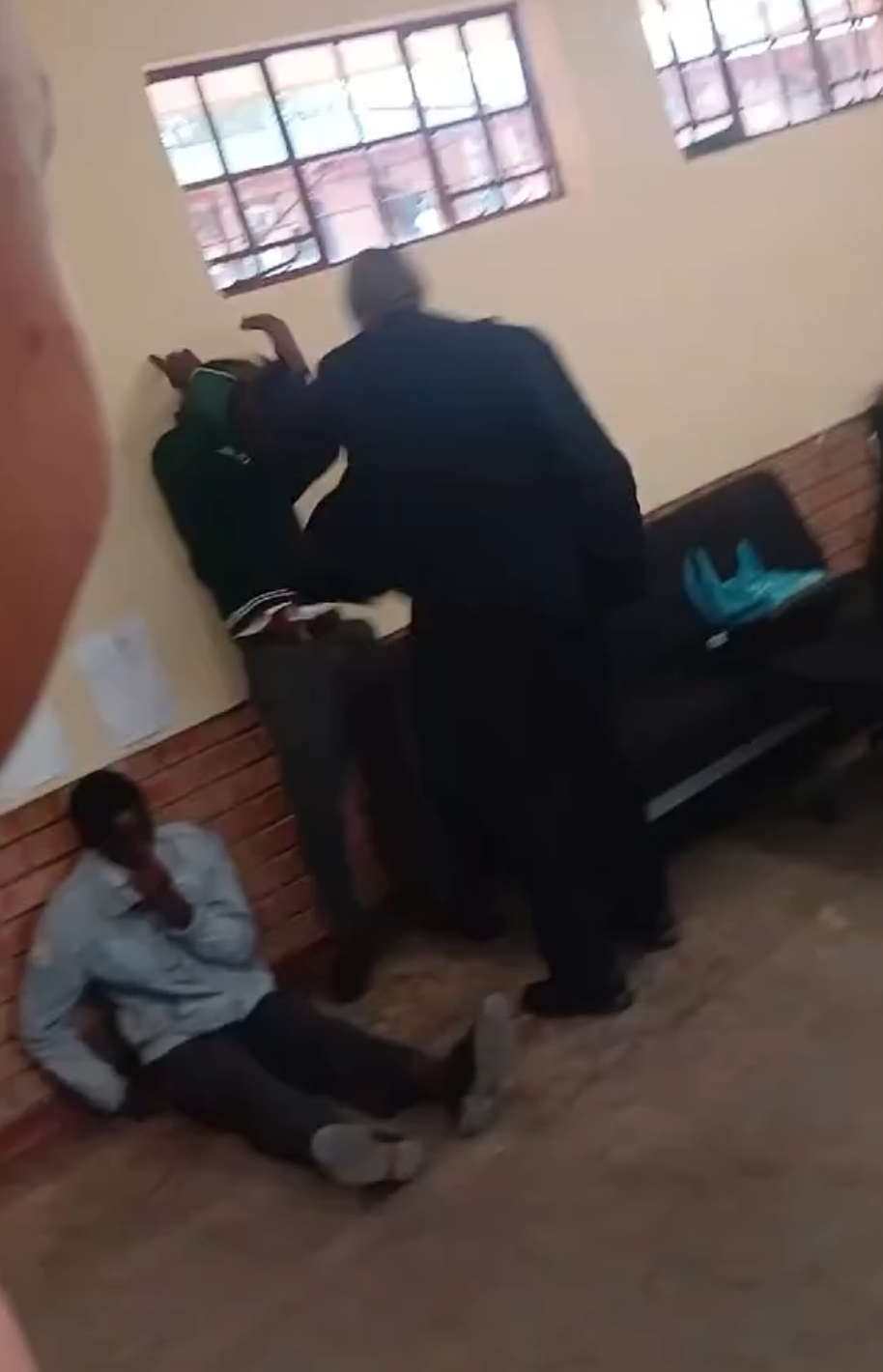
The incident highlights a growing crisis within South African classrooms, where the lines between classroom management, self-defense, and outright physical abuse continue to blur dangerously.
While the exact context leading up to the clash remains under official investigation, the sheer brutality captured on camera has re-ignited fierce national debates concerning school discipline, the protection of minors, and the immense psychological pressures confronting modern educators.
A Stark Violation of the Law
In South Africa, the legal boundaries governing student discipline are explicitly clear. Corporal punishment was officially banned three decades ago under Section 10 of the [South African Schools Act].
Recent policy updates, including provisions within the Basic Education Laws Amendment (BELA) Act framework, have substantially reinforced these prohibitions.
The law states unambiguously that no person may inflict or impose physical violence upon a learner at school, during school activities, or within educational hostels.
Violating this law constitutes a criminal offense that can result in immediate suspension, permanent deregistration by the South African Council for Educators (SACE), or imprisonment.
Despite these rigid legislative boundaries, reality on the ground paint a far more chaotic picture.
Incidents of classroom violence have risen sharply, often fueled by complex socio-economic realities, community trauma, and highly strained school environments.
When videos of this nature surface on platforms like Facebook and TikTok, they polarize a frustrated public.
One segment of society rightly views the teacher’s actions as an egregious breach of trust and a violation of a child’s constitutional right to a safe learning environment.
Concurrently, another faction often points to the systemic breakdown of authority in schools, arguing that educators are frequently left defenseless against highly disruptive or aggressive learners.
The Breakdown of Classroom Sanctuaries
Education experts and human rights organizations warn that the normalization of classroom violence leaves deep, permanent psychological scars on young minds.
Classrooms are meant to function as safe havens where children can build a future with confidence and dignity.
When an authority figure resorts to physical assault, it fundamentally erodes the moral fabric of the schooling system.
In response to the viral video, provincial education authorities have rapidly intervened, deploying independent investigators and ordering the immediate precautionary suspension of the implicated educator.
Officials have also mobilized essential psychosocial support and counseling services for the affected learners who witnessed or endured the confrontation.
Furthermore, leadership has urged the public to cease circulating the graphic video online, noting that viral exposure risks re-victimizing the children involved and inflaming local community tensions before a formal legal process can unfold.
Cultivating Safer Horizons
This latest incident underscores a desperate, systemic need for proactive intervention.
School Governing Bodies (SGBs) and the Department of Basic Education are under mounting pressure to equip teachers with practical, non-violent classroom management strategies.
Teacher unions have simultaneously called for upgraded infrastructure, stricter on-site security, and comprehensive mental wellness programs to help educators manage extreme stress and behavioral challenges without reverting to physical force.
South Africa cannot build a robust educational foundation if its classrooms resemble battlegrounds.
True accountability requires a dual approach: applying the harshest legal penalties to educators who abuse their authority, while systematically addressing the root causes of institutional instability.
Only through collective accountability from parents, teachers, and government officials can South African schools truly transform back into safe, nurturing environments built entirely on mutual respect.