For generations, the first day of September has held a unique, joyful significance in South Africa.
As winter yields to warmer weather, communities across the country welcome Spring Day with a shared sense of renewal and high spirits.
ALSO READ | Tshepang Nyathi stabbed and killed during Spring day Celebration
Historically, the day has been marked by outdoor family braais, colourful spring hats at schools, and a lighthearted, collective sigh of relief that the biting cold is finally behind us.
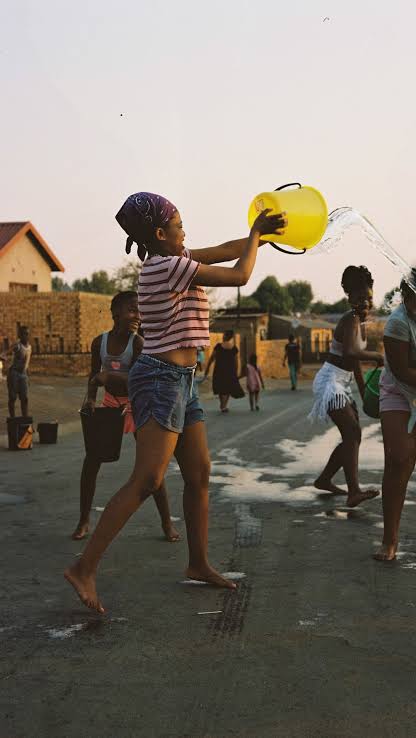
Yet, in recent years, a parallel tradition has evolved within many townships and urban centres—one centred around water.
What began as an innocent, playful custom of children spraying each other with water hoses and buckets has shifted dramatically.
Today, a growing public debate asks a difficult question: Has the Spring Day celebration officially gotten out of hand?
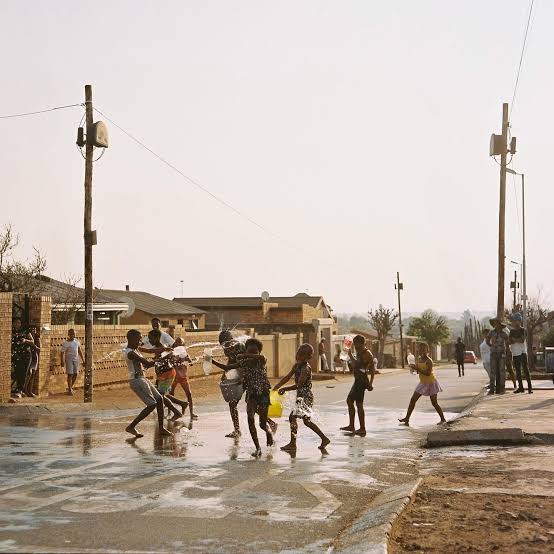
To understand the tension, one must look at how the nature of the celebration has transformed. In its original context, water throwing on Spring Day symbolised cleansing, refreshment, and the celebration of life after months of winter dormancy.
It was local, consensual, and contained. However, recent years have witnessed a stark escalation.

Social media platforms are now routinely flooded with videos every September showing chaotic scenes on public roads.
What used to be a playful game among neighborhood children has frequently devolved into large-scale disruptions involving rowdy groups of teenagers and adults targeting random passersby, public transport users, and formal or informal business operators.
The shift from harmless fun to public disturbance has triggered widespread concern. Critics argue that the modern iteration of Spring Day lacks boundaries and respect.
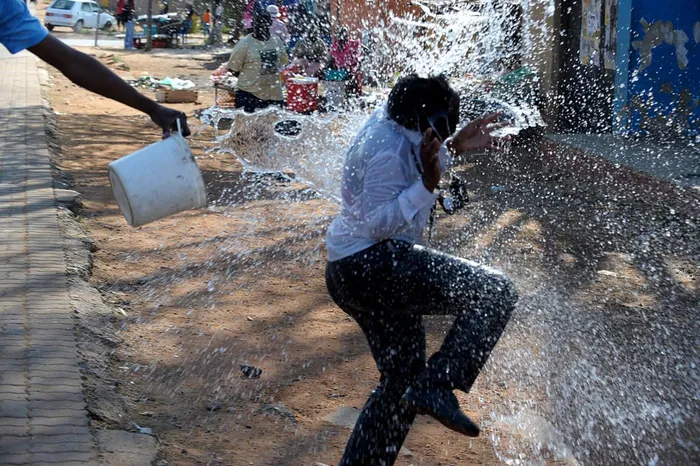
It is no longer uncommon to hear accounts of commuters arriving at work completely drenched, their professional attire ruined, because they had to walk past a group waiting with buckets at a taxi rank.
Even more concerning are the reports of street vendors—who rely entirely on their daily setups to feed their families—having their goods ruined by aggressive water splashing.

When the celebration begins to compromise the dignity, livelihoods, and safety of others, it can no longer be classified as pure joy.
In many areas, the atmosphere has shifted from a carnival-like festival to a state of public anxiety, where people actively avoid going outside or commuting on the first of September.
Conversely, some argue that the rowdiness is merely an outpouring of youthful energy that is being unfairly demonised.
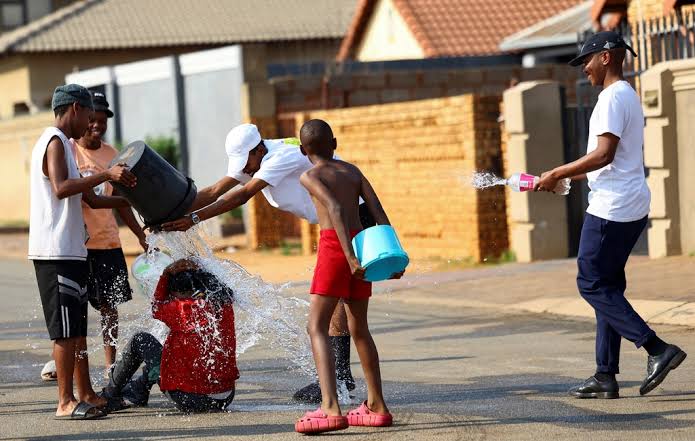
Proponents of the water-splashing tradition view it as a cultural staple of South African youth culture, a rare moment where communities can let loose and connect in a shared, unscripted ritual.
From this perspective, trying to sanitise or ban the practice strips away a unique form of local expression. They argue that incidents of genuine malice are isolated and that the vast majority of participants are simply engaging in high-spirited fun.
However, the line between fun and disrespect becomes exceedingly thin when consent is completely removed from the equation.
A celebration thrives on community cohesion, but when an unsuspecting adult, an elderly person, or a worker trying to earn a living is targeted against their will, the act borders on harassment.
There is a profound difference between children splashing each other in a courtyard and crowds of adults using high-pressure buckets to drench strangers on public streets.
The lack of accountability and the escalation into antisocial behaviour are what turn a beautiful seasonal transition into a source of dread.
Addressing this issue does not require erasing Spring Day or banning water entirely, but it does require drawing firm boundaries. Communities, local leaders, and school bodies need to actively intervene to restore the true spirit of the day.
Reclaiming the celebration means educating younger generations on the importance of consent and respect—reminding them that a tradition is only successful if it brings the community together rather than alienating its members.
Ultimately, Spring Day should remain a beautiful reflection of South Africa’s vibrant spirit, warmth, and resilience.
But for the tradition to survive sustainably, a collective boundary must be re-established.
When a celebration begins to look more like a public disruption than a joyful welcome to a new season, it is a clear sign that things have gone too far.
It is entirely possible to celebrate the bloom of a new season with laughter and energy, without sacrificing the basic dignity and respect that holds a community together.