As South Africa enters the month of May 2026, the nation’s consumers are bracing for a massive economic shock. Following a directive from President Cyril Ramaphosa to “cushion the blow” of rising global energy costs, the Department of Mineral and Petroleum Resources has officially announced staggering fuel price increases set to take effect this Wednesday, May 6, 2026.
The hikes come at a time of severe geopolitical instability, primarily driven by a blockade in the Strait of Hormuz and ongoing conflict in the Middle East, which has pushed international oil prices back above the $100-per-barrel mark. Despite extended government intervention, South Africans are now facing record-high prices at the pump.
The Numbers: A Record-Breaking Hike
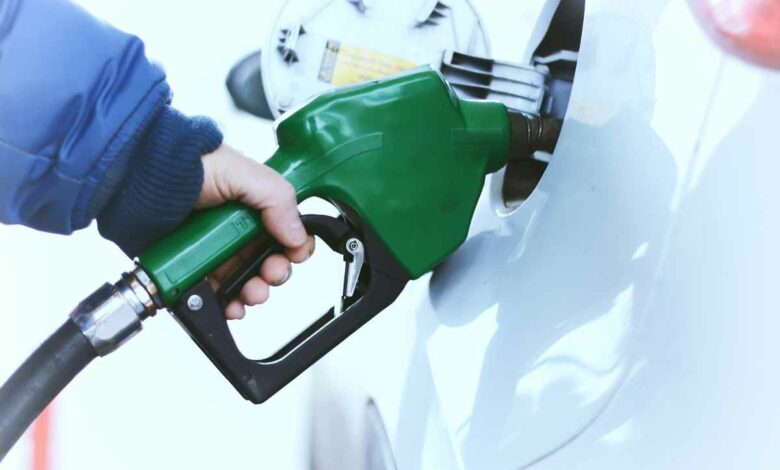
The fuel price adjustment for May 2026 is one of the largest single-month increases in South African history. Even with emergency relief measures in place, the costs for every grade of fuel are surging:
- Petrol (93 and 95 ULP): Increasing by R3.27 per litre.
- Diesel (0.05% and 0.005% sulfur): Increasing by a massive R6.19 per litre.
- Illuminating Paraffin: Increasing by R4.22 per litre.
- LP Gas: Increasing by R5.07 per kg.
These adjustments mean that petrol (95) will now hover around R26.63 per litre, while diesel has officially breached the psychological barrier of R32.00 per litre at wholesale prices.
The “Presidential Intervention”: Government Relief Measures
In late March, President Ramaphosa expressed deep concern over “looming fuel price hikes,” noting that the increases could place an unbearable strain on households. Following his instructions, Finance Minister Enoch Godongwana and the National Treasury have extended a temporary reduction in the General Fuel Levy.
How the government is softening the blow:
- Petrol Relief: The R3.00 per litre reduction in the general fuel levy has been extended until early June 2026.
- Diesel Relief: In an unprecedented move to protect the logistics and agriculture sectors, the diesel levy has been reduced to zero, providing a total relief of R3.93 per litre.
- The “Slate Levy”: Despite the relief, a Slate Levy of 122.70 cents per litre will be implemented to recover under-recoveries in the fuel system caused by the volatile international market.
Without these interventions, experts suggest petrol would have reached nearly R30.00 per litre, and diesel would have surged toward R36.00.
The Drivers of the May 2026 Crisis
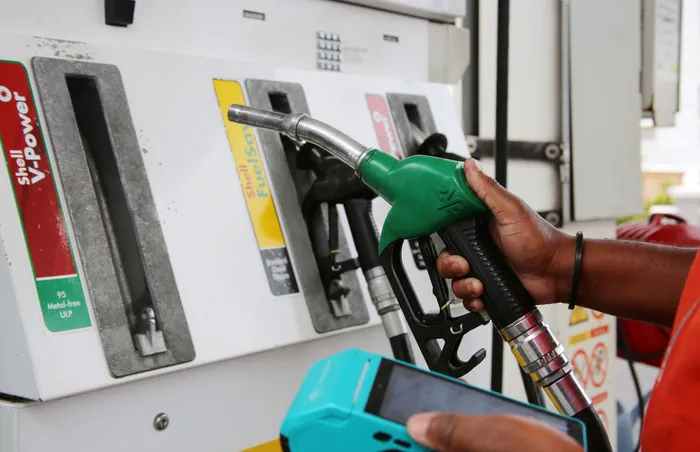
The Department of Mineral and Petroleum Resources cited three primary factors for the mid-year surge:
- Global Oil Prices: Brent Crude oil has seen extreme fluctuations. While there was a brief drop to $95 per barrel during ceasefire negotiations in the Middle East, the failure of those talks and a subsequent blockade in the Strait of Hormuz sent prices back over $100.
- Rand Weakness: The South African Rand has struggled against the US Dollar, trading at an average of R16.64 during the period under review. Since oil is purchased in Dollars, this depreciation adds a significant “currency tax” to every litre imported.
- The Slate Account: The massive under-recovery during April meant the government had to reintroduce the Slate Levy to balance the books, adding over R1.20 to the price of fuel.
The Economic Ripple Effect
The R6.19 per litre hike in diesel is particularly concerning for economists. Because diesel is the primary fuel for the logistics, trucking, and farming industries, these costs are almost immediately passed on to the consumer in the form of higher food and retail prices.
“When it costs R500 more to fill up a standard bakkie and thousands more for a long-haul truck, every item on the grocery shelf becomes more expensive,” says a local economic analyst. “This isn’t just a motoring issue; it’s a cost-of-living emergency.”
Small and Medium Enterprises (SMEs) are expected to be the hardest hit, as many operate on thin margins and cannot absorb the sudden increase in delivery and transport costs.
Conclusion: A Winter of Hardship
As the relief measures are set to be halved in June and completely phased out by July 1, 2026, the outlook for the South African winter is challenging. The government’s current intervention—costing an estimated R17.2 billion in foregone tax revenue—is a temporary “finger in the dyke” against a global tide of rising energy costs.
For now, motorists are advised to fill their tanks before midnight on Tuesday, May 5, as the new, higher prices will be reflected at pumps nationwide at the start of Wednesday.
Fuel Price Summary (May 2026)
| Fuel Type | Hike Amount | Estimated New Price (Inland) |
| 95 Petrol | +R3.27 | R26.63/l |
| 0.005% Diesel | +R6.19 | R32.30/l (Wholesale) |
| Paraffin | +R4.22 | R21.00/l+ |
| LPG Gas | +R5.07 | R39.00/kg+ |