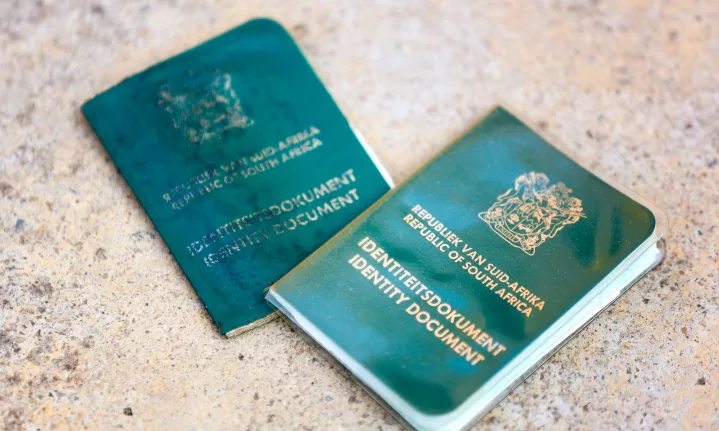
The familiar green bar-coded identity book is officially entering its final chapter. In a decisive move to modernise the country’s identity systems, Home Affairs Minister Leon Schreiber announced that 31 March 2028 will be the final deadline for South Africans to replace the decades-old booklet with a biometric Smart ID card.
After this date, the green ID book will completely lose its legal validity for identification and transactions.
ALSO READ | Home affairs warn people with Green ID books
Speaking at the launch of the Home Affairs Quantum Leap Programme, Minister Schreiber outlined a two-phase transition plan.
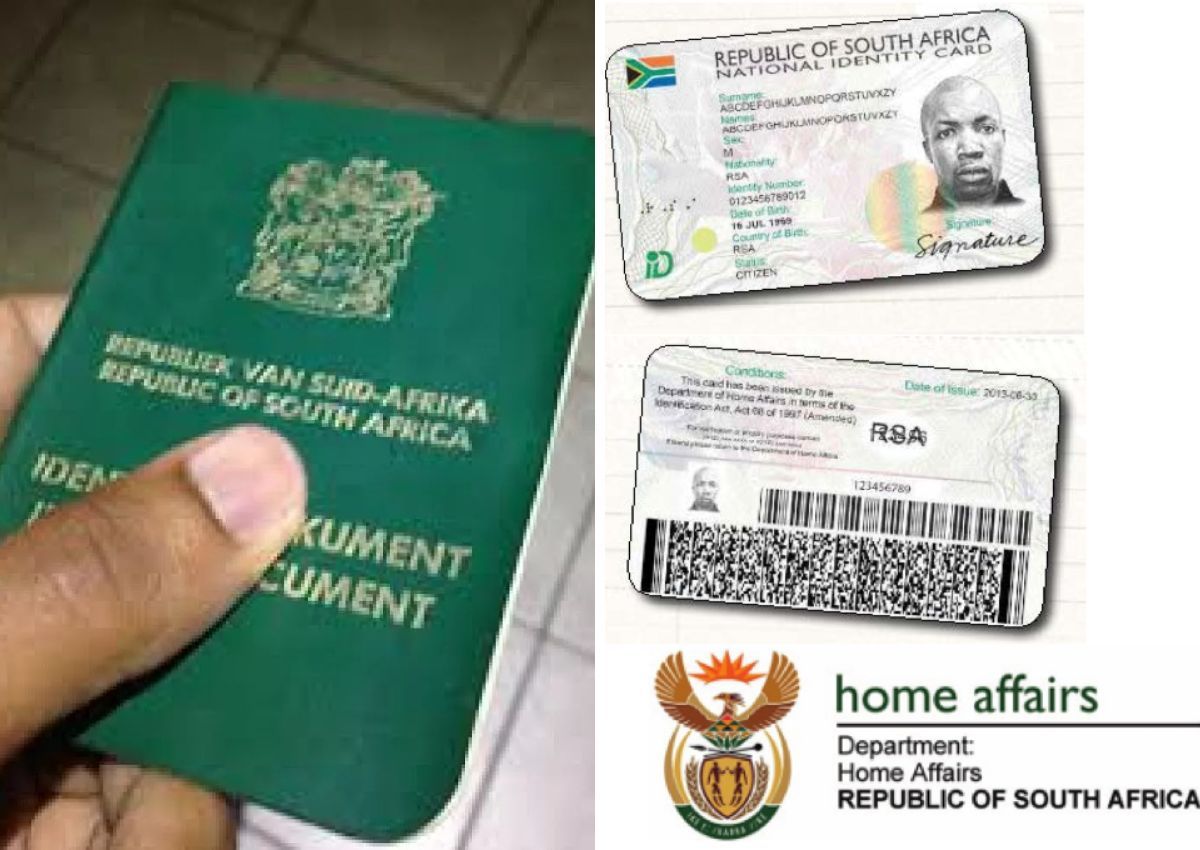
First, the Department of Home Affairs (DHA) will permanently shut down and decommission the printing machines used to produce green ID books on 31 March 2027.
Once production ends, the estimated 14.7 million citizens and permanent residents who still rely solely on the green booklet will have a 12-month grace period to make the mandatory switch.
Curbing the Scourge of Identity Theft
The primary catalyst behind this aggressive timeline is national security.
Independent research cited by the department ranks the paper-based green ID book as one of the most fraud-prone identity documents on the African continent.
Because it relies on a manual photograph that can be easily manipulated or swapped, it has become a major target for criminal syndicates.
Minister Schreiber highlighted the green ID book as a primary driver of identity theft, whereas the Smart ID card utilizes advanced biometric security features to prevent duplication
Expanding Access and Easing the Transition
To facilitate the transition, Home Affairs is expanding its digital partnership with major banks—including Absa, FNB, Nedbank, Standard Bank, and Capitec—aiming for over 1,000 banking service points. The upcoming Home Affairs @Home initiative will also introduce secure doorstep courier delivery.
ALSO READ | Ramaphosa warns individuals who commits anti-immigrants violence
Access is being broadened to naturalised citizens, permanent residents, and those abroad, with first-time applicants and citizens over 60 exempt from application fees.