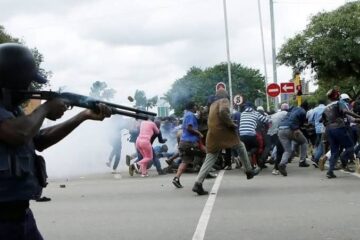
CAPE TOWN — Chaos erupted in the Cape Town township of Mfuleni on the morning when a delivery truck belonging to South African Breweries (SAB) shed its cargo, triggering a massive, opportunistic looting frenzy.
Videos capturing the incident quickly flooded social media platforms, sparking intense debate across South Africa regarding lawlessness, poverty, and community ethics.
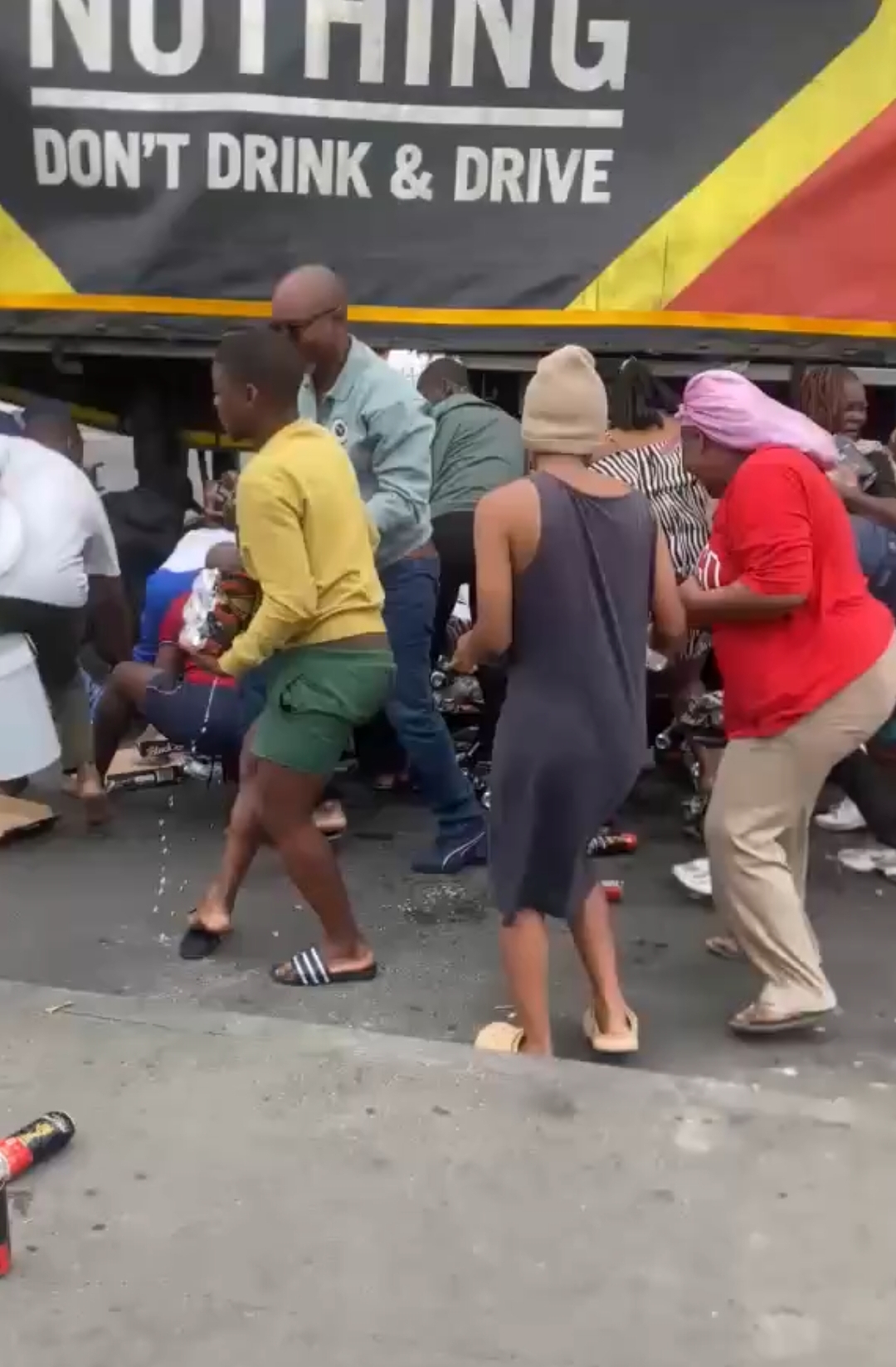
The incident occurred in the Bosasa area of Mfuleni. According to preliminary reports and eyewitness accounts, the delivery vehicle was navigating local roads when a substantial portion of its cargo—consisting of crates and pallets of beer—slid off the vehicle and spilled onto the tarmac.
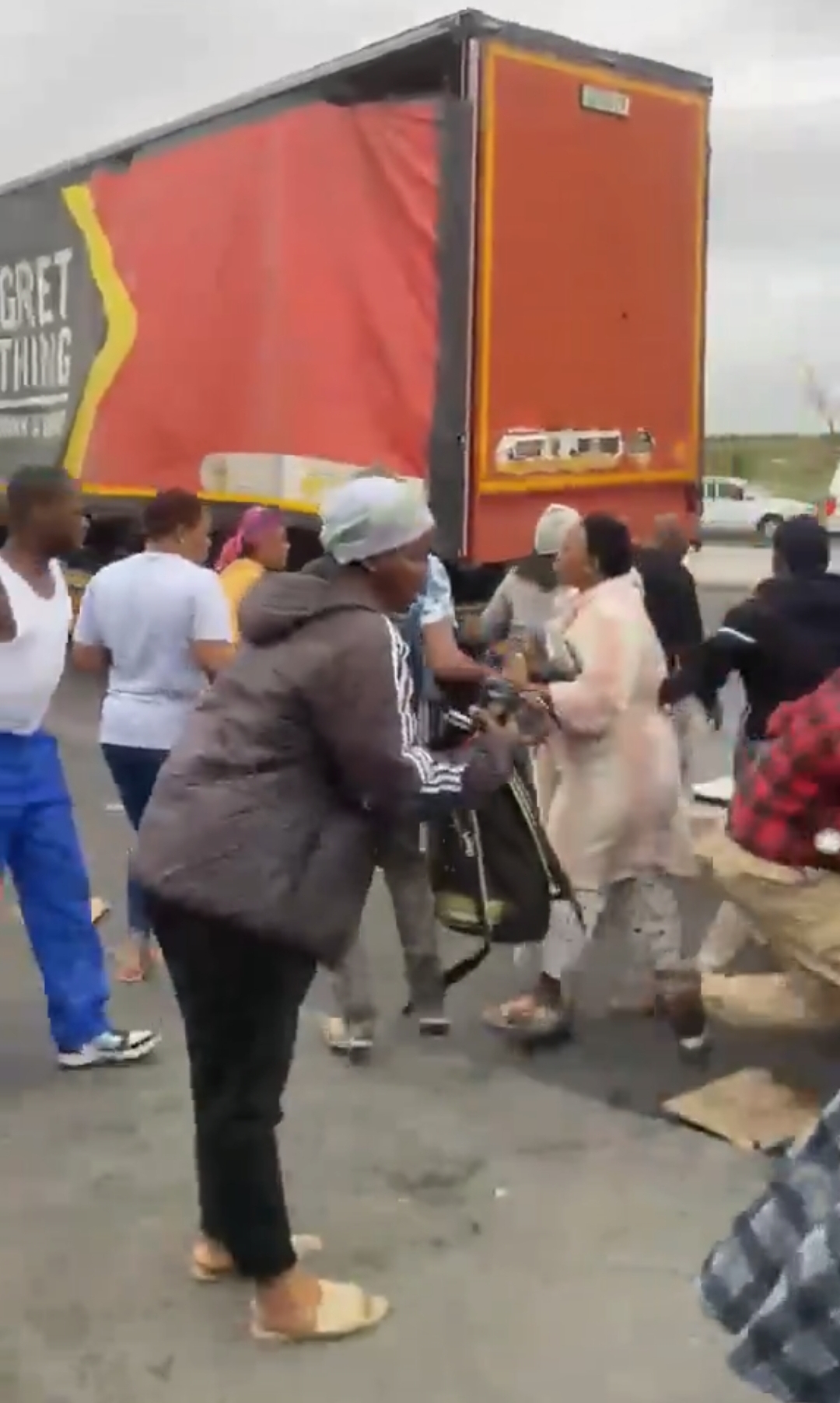
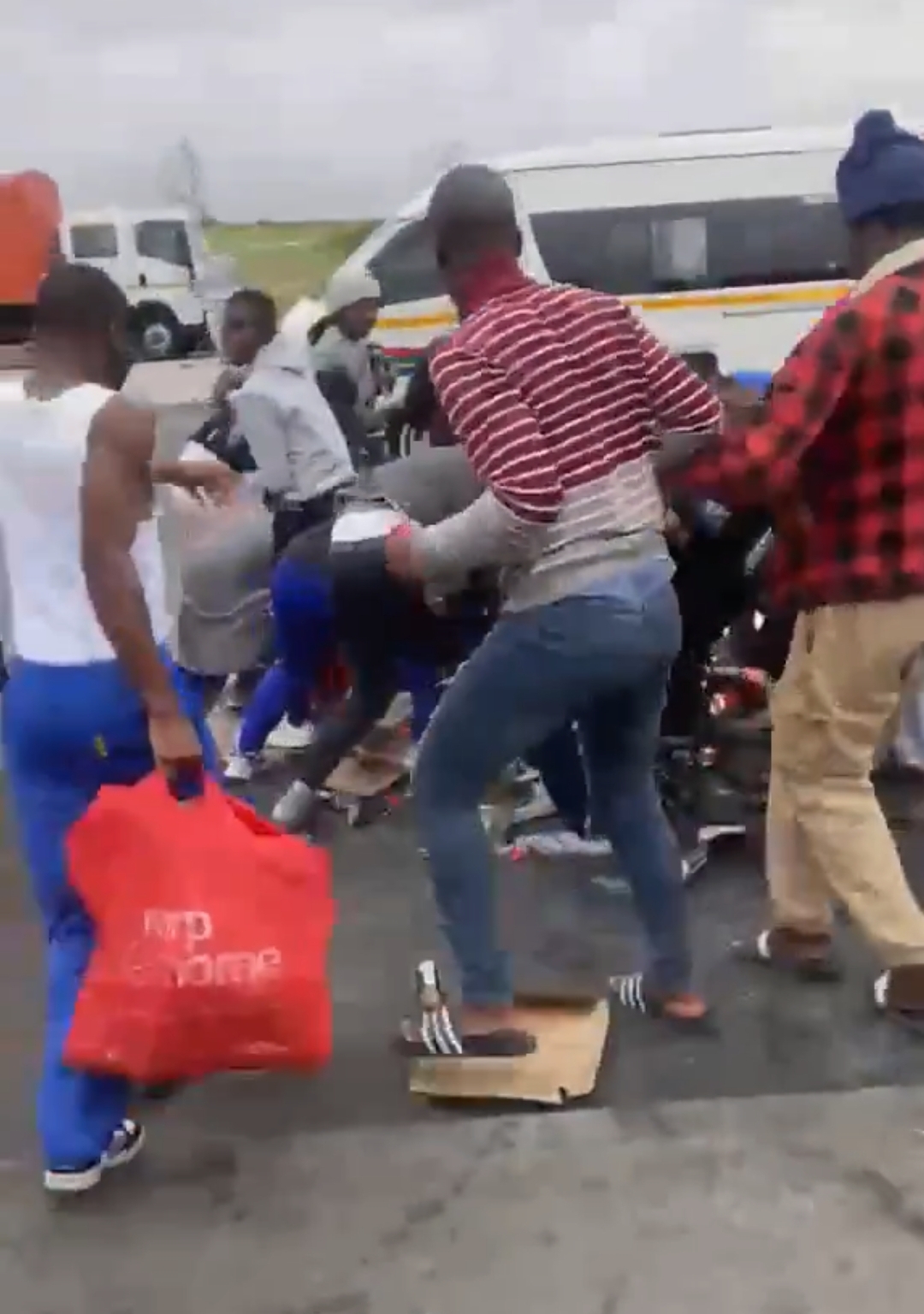
Within minutes of the bottles hitting the ground, word of the “free beer” spread through the neighborhood. What began as a handful of bystanders investigating the noise quickly transformed into a crowd of dozens of residents rushing toward the vehicle.
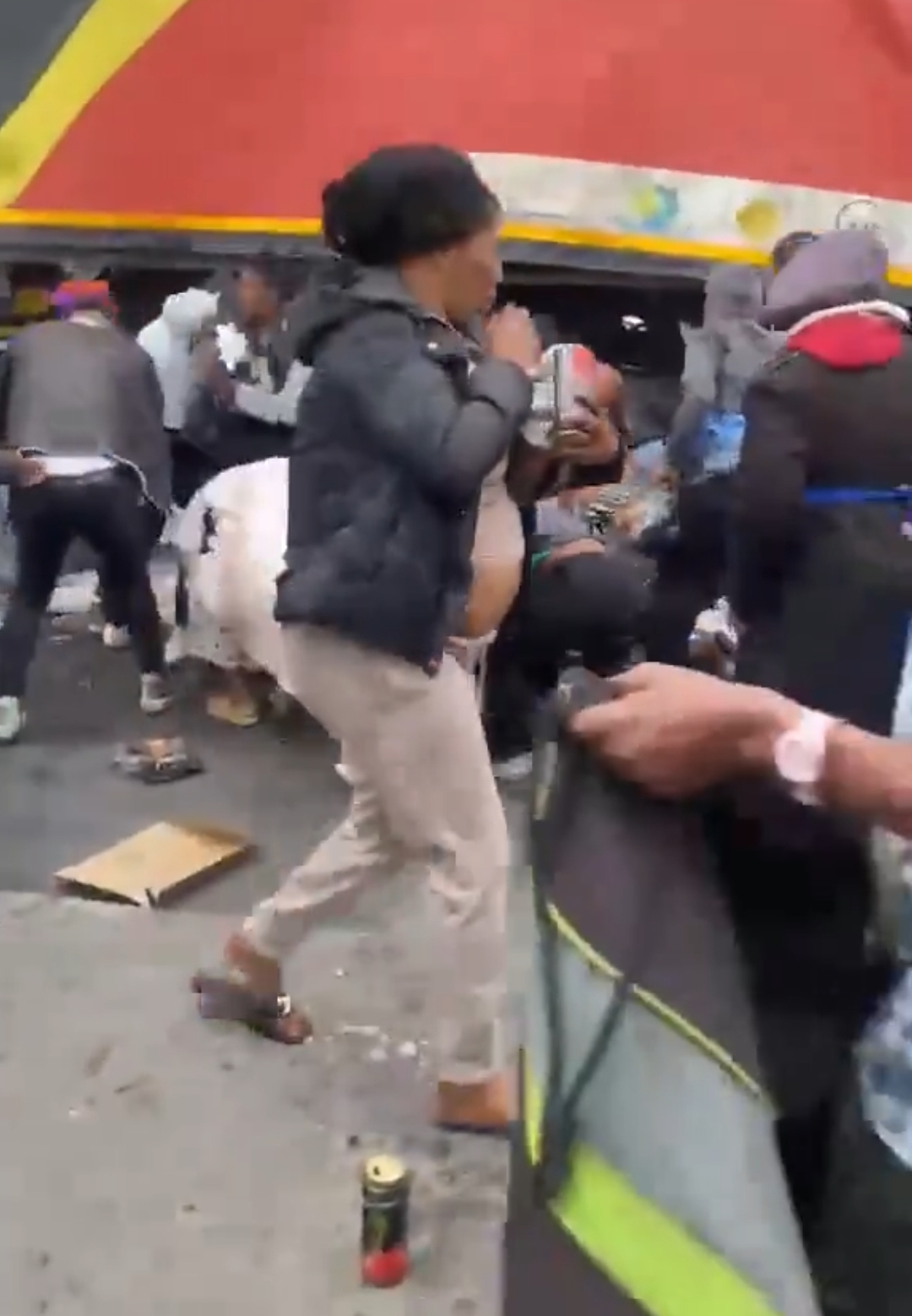
Viral footage shows a chaotic scene: men, women, and even an expectant mother were filmed scrambling over shattered glass and broken plastic to secure intact bottles and full crates of alcohol.
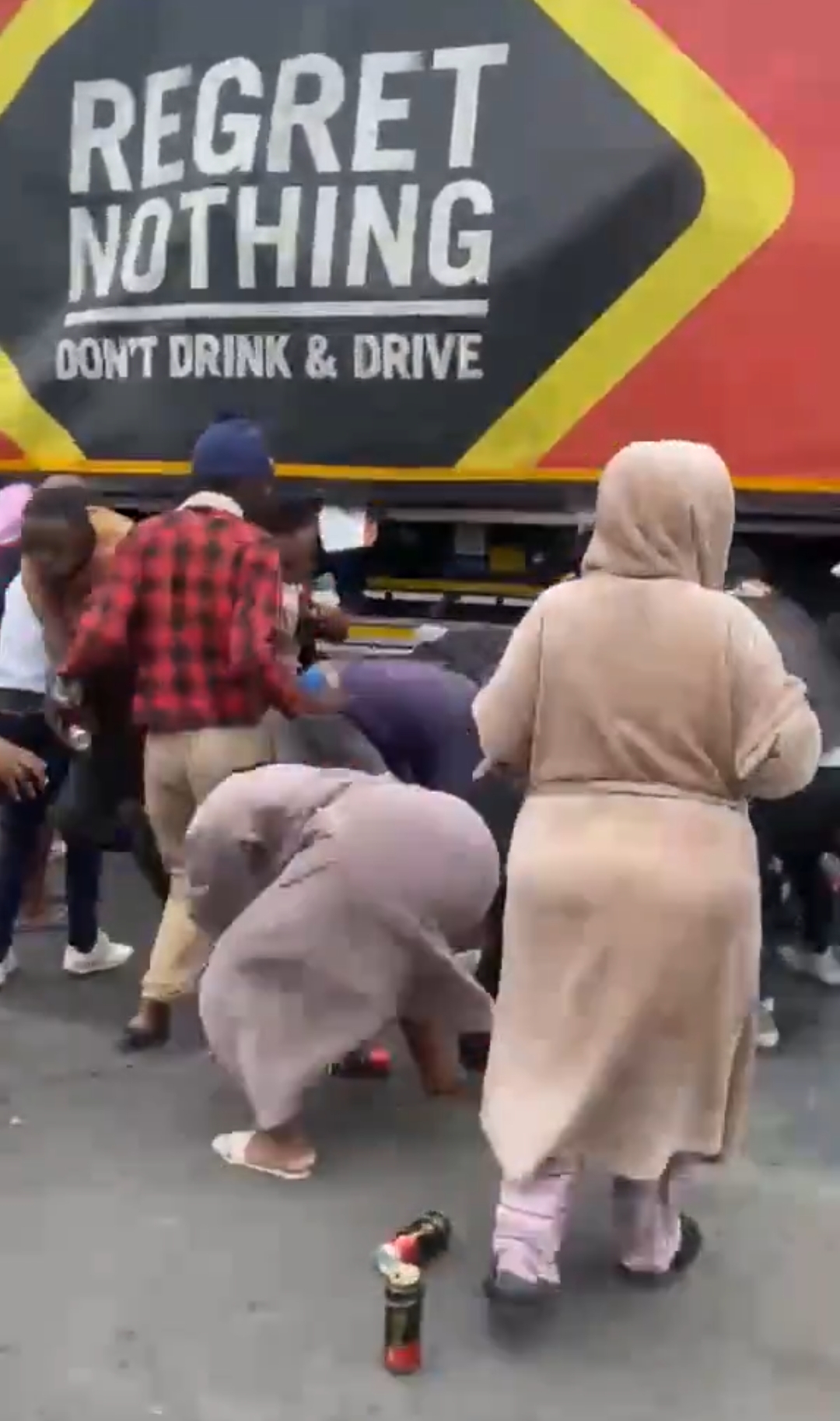
Some individuals were seen carrying away multiple crates, while others stuffed bottles into bags or simply ran off with as many beers as their arms could hold.
While some onlookers on social media initially reacted with dark humor, labeling it an early start to “Phuza Friday,” the overwhelming public response has been one of deep concern and condemnation.
For many South Africans, the imagery of a community descending on a stricken commercial vehicle serves as a frustrating reminder of a recurring trend. Supply chain logistics and freight transport companies have long raised alarms about the vulnerability of delivery vehicles in township corridors.
Incidents of looting, whether triggered by mechanical accidents, driver error, or premeditated ambushes, have increasingly threatened the safety of drivers and the viability of consumer deliveries in high-risk zones.
“This is not about hunger or poverty,” remarked one community member online, echoing a sentiment shared by many critics.
“People do not loot bread or milk trucks with this level of enthusiasm. This is blatant opportunistic criminality, and it damages the reputation of our communities.”
Conversely, some socio-economic commentators argue that the recurring nature of these incidents cannot be divorced from the broader socio-economic realities plaguing South African townships.
In areas like Mfuleni, systemic issues such as high unemployment rates, inflation, and a severe lack of economic opportunity create an environment where the line between civic order and opportunistic survival becomes thin.
When high-value commercial goods literally fall onto the street, the temptation often overrides formal legal boundaries.
However, business associations and logistics experts warn that the consequences of such actions are severe and counterproductive for the very communities where they occur.
When major distributors like SAB find their vehicles repeatedly targeted or compromised, insurance premiums skyrocket, and companies are forced to reconsider their delivery routes.
Over time, constant losses can lead to companies refusing to deliver directly to certain informal settlements or high-risk suburbs.
This forced withdrawal drives up logistical costs for local tavern owners, small business enterprises, and corner shops, ultimately forcing local consumers to pay higher prices for goods.
The safety of the logistics personnel remains a paramount concern. While early reports indicate that the truck driver and crew managed to escape the immediate frenzy without suffering physical injuries, the psychological toll of being surrounded by an unpredictable mob is considerable.
Freight associations have repeatedly called on law enforcement agencies to deal decisively with truck looting, demanding that perpetrators be identified through viral video footage and prosecuted to deter future incidents.
As the broken glass is cleared from the streets of Bosasa, the viral footage remains a stark digital footprint of the divide in South African society.
For law enforcement, the incident underlines the ongoing struggle to maintain public order and protect commercial supply chains.
For the residents of Mfuleni, it leaves behind an uncomfortable conversation about morality, lawfulness, and the complex socioeconomic factors that continue to drive collective behavior in the country’s most vulnerable economic landscapes.