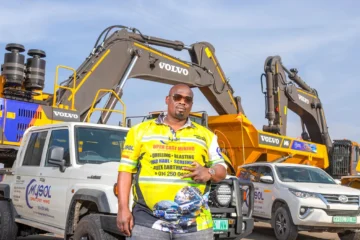
South African celebrity painter Lebani “Rasta” Sirenje publicly apologized to the family, fans, and the community of Msinga following heavy backlash over a controversial portrait of the late Maskandi music star Scebi “Inkosi Yamagcokama” Dlamini, who tragically passed away in a car crash on August 9, 2026.
The Tragic Loss of a Maskandi IconThe South African music industry was plunged into mourning following the sudden death of Scebi “Inkosi Yamagcokama” Dlamini.
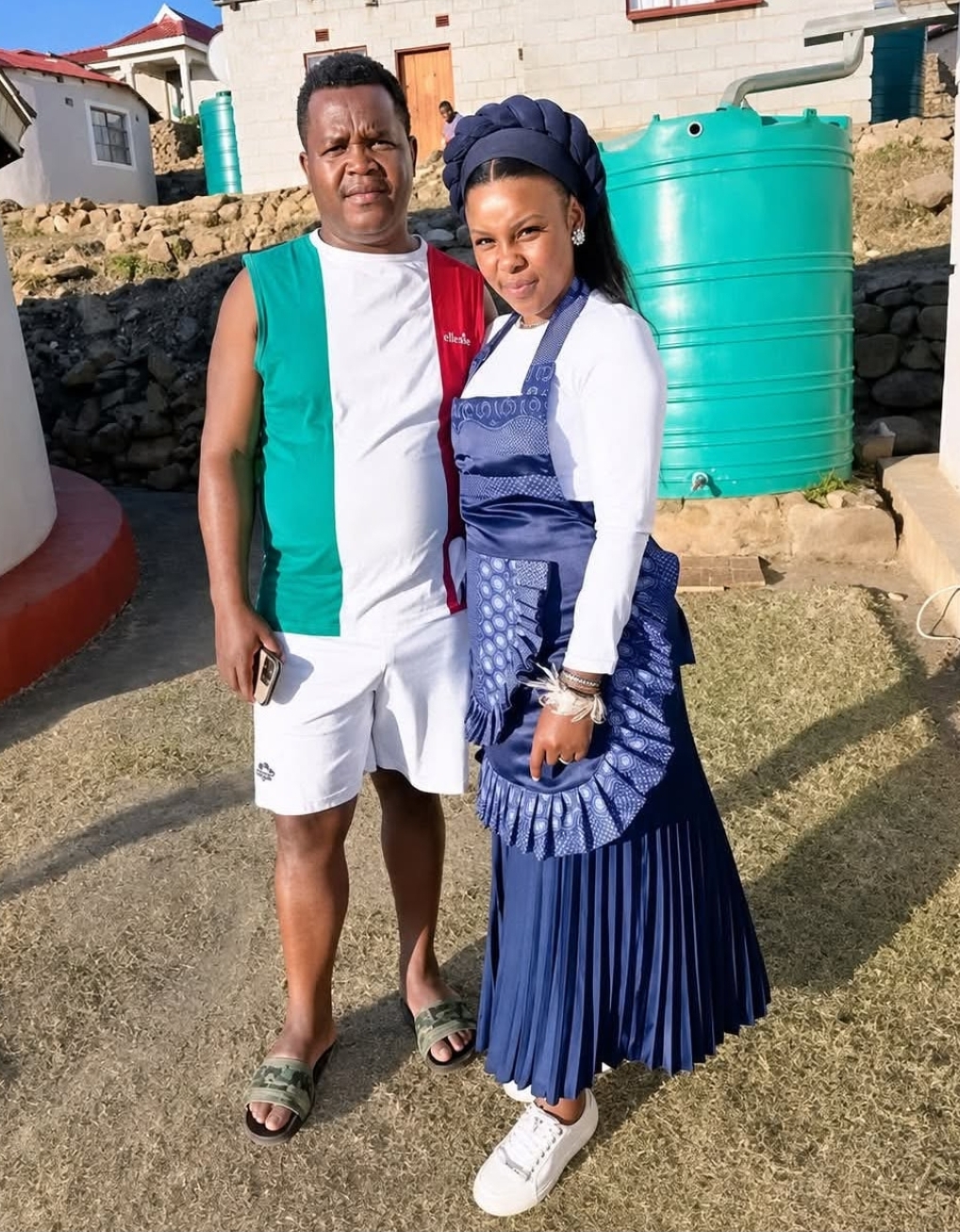
The beloved Maskandi artist lost his life in a devastating car accident near Richards Bay.
Scebi was a towering figure within the traditional Zulu music landscape.
His distinct voice, powerful storytelling, and deep connection to rural and urban listeners alike earned him a massive following.

Known affectionately as Inkosi Yamagcokama, his sudden departure left a massive void in the hearts of Amabhinca and traditional music lovers across the country.
Fans took to social media and gathered at cultural hubs like Johannesburg’s Kwa Mai Mai market to grieve the fallen star.
Rasta’s Tribute and the Instant Backlash
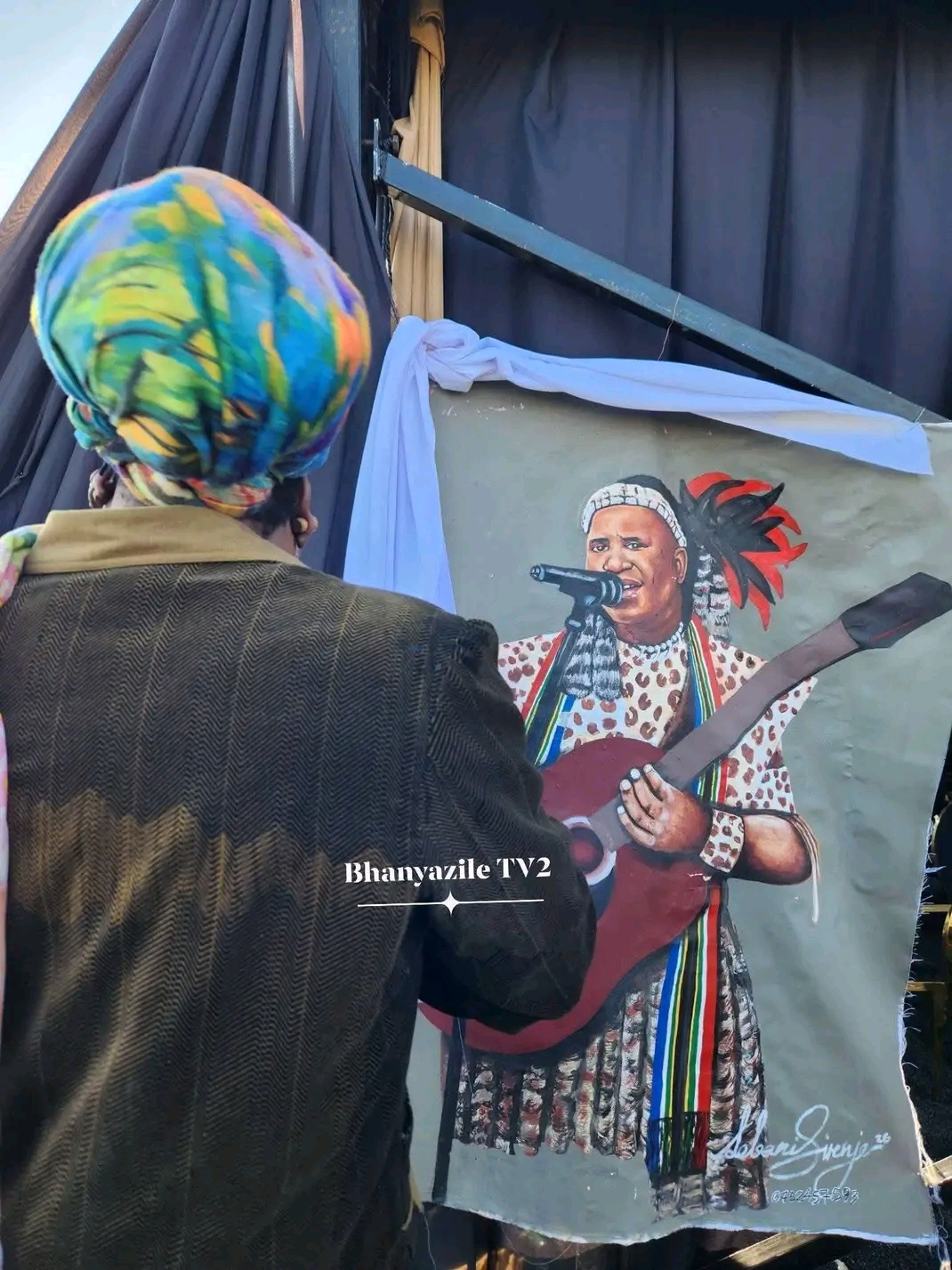
As is his tradition whenever a prominent public figure or cultural icon passes away, resident celebrity painter Rasta the Artist stepped forward to capture the likeness of the late musician.
Armed with his easel and paints, Rasta even attended Scebi Dlamini’s funeral, holding up a canvas intended to honor the legacy of the late star and provide comfort to the mourners.
However, the gesture immediately backfired.

When images of the portrait circulated online, social media users and dedicated Maskandi fans erupted in fierce criticism.
Many argued that the artwork bore no resemblance to Scebi Dlamini.
Furious commenters labeled the painting disrespectful, claiming it failed to capture the dignity and true appearance of the revered singer.
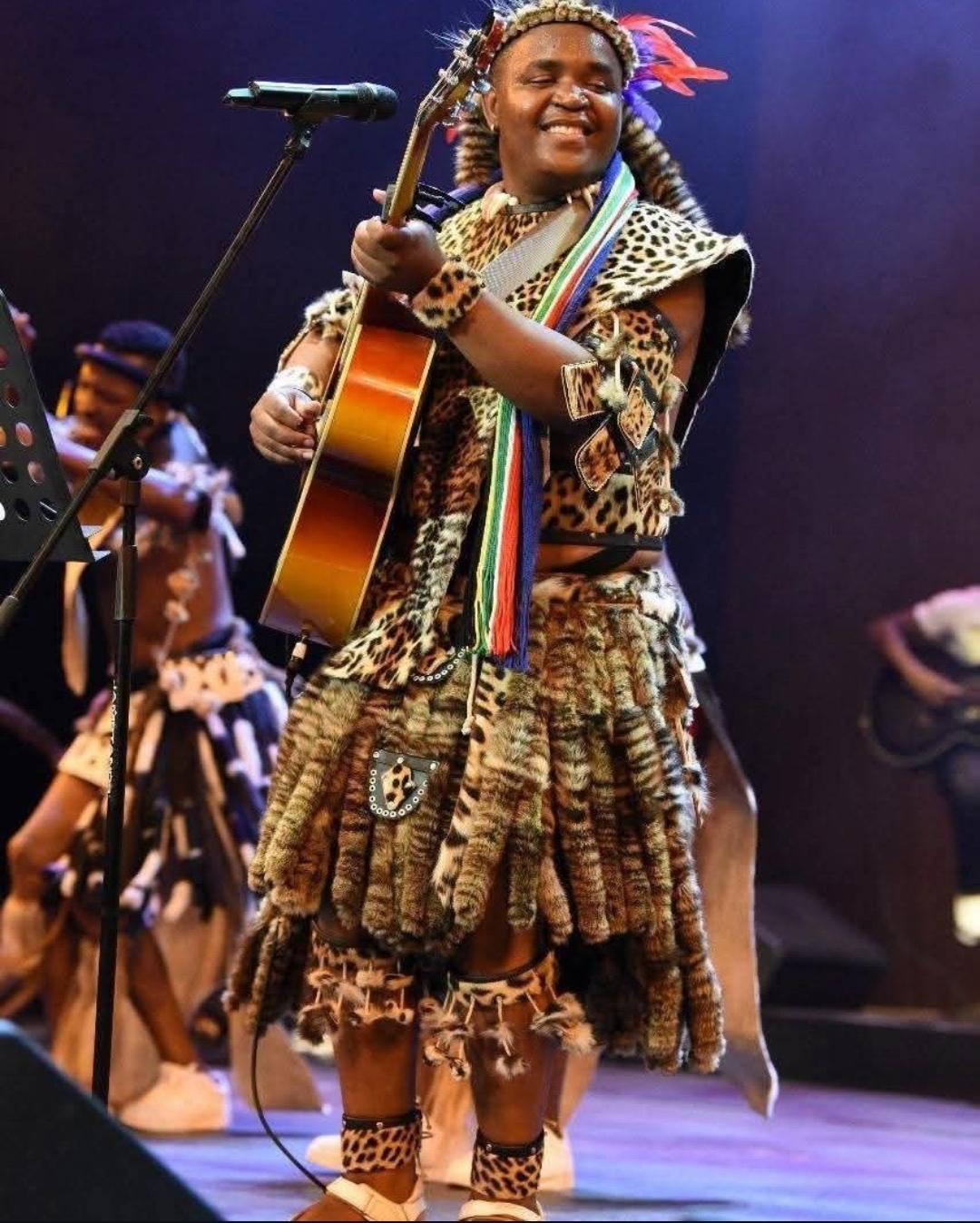
Critics questioned why Rasta continued to paint deceased legends if the results consistently sparked public outcry and perceived mockery of the dead.
The Emotional ApologyFacing an intense wave of online backlash and community disapproval, Rasta (real name Lebani Sirenje) broke his silence to clear the air.
Speaking through media updates and video statements, the artist explained that he never intended to cause pain or make a mockery of Scebi’s tragic death.
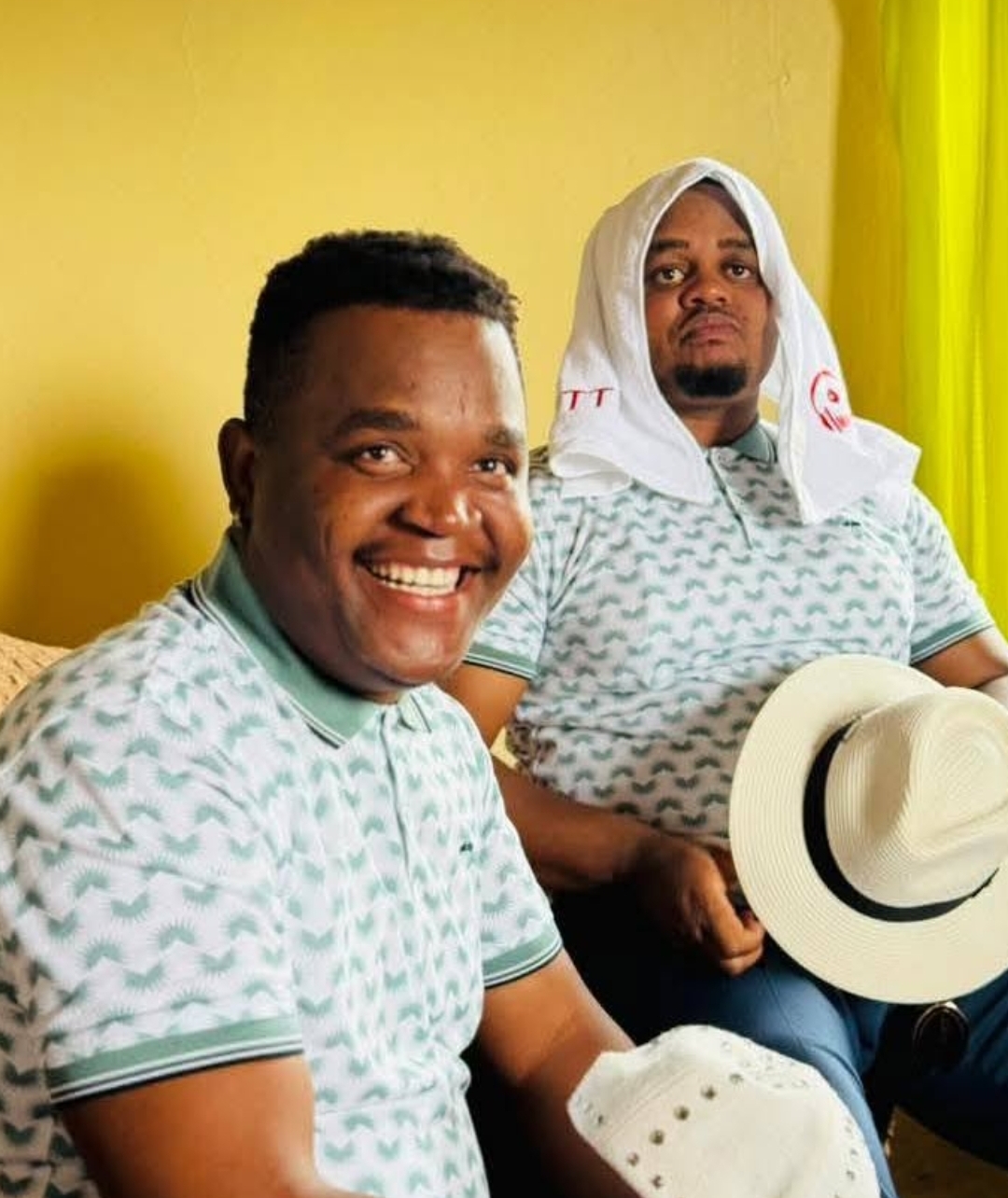
Visibly shaken by the events, Rasta noted that the emotional weight of losing a musician he deeply admired affected his work process.
He explained that his hands were trembling due to the raw emotions he felt as a supporter of the late star while trying to complete the tribute.
Rasta apologized to Dlamini’s followers, the people of Msinga, Amabhinca, and all Maskandi fans, stating he never intends to draw the wrong person or disrespect the deceased.
He acknowledged the backlash, promising to try and correct his errors.
The Ongoing Debate Over Tribute Art

Rasta’s apology continues a long-standing national conversation regarding his artistic legacy in South Africa, where he is often caught between ridicule and resilience, yet maintains he paints from the heart.
The controversy highlights the tension between public grief and artistic interpretation, where missed likenesses can amplify pain.
While Rasta frequently faces intense scrutiny for his work, his apology marks a moment of conciliation and recognizes the deep respect commanded by Inkosi Yamagcokama.