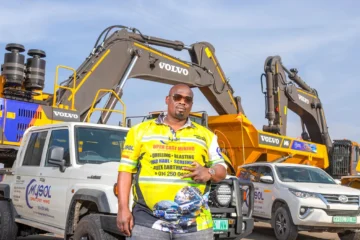
The South African Special Tribunal has ordered Minenhle Makhanya, the former principal architect behind the controversial upgrades at former President Jacob Zuma’s private homestead in Nkandla, to personally repay R147,269,444.06 to the National Treasury.
The landmark ruling, delivered by Judge K. Pillay, follows a rigorous multi-year civil litigation effort driven by the Special Investigating Unit (SIU) to recoup massive financial losses suffered by the State due to unlawful procurement processes and unauthorized, lavish infrastructure expansions.
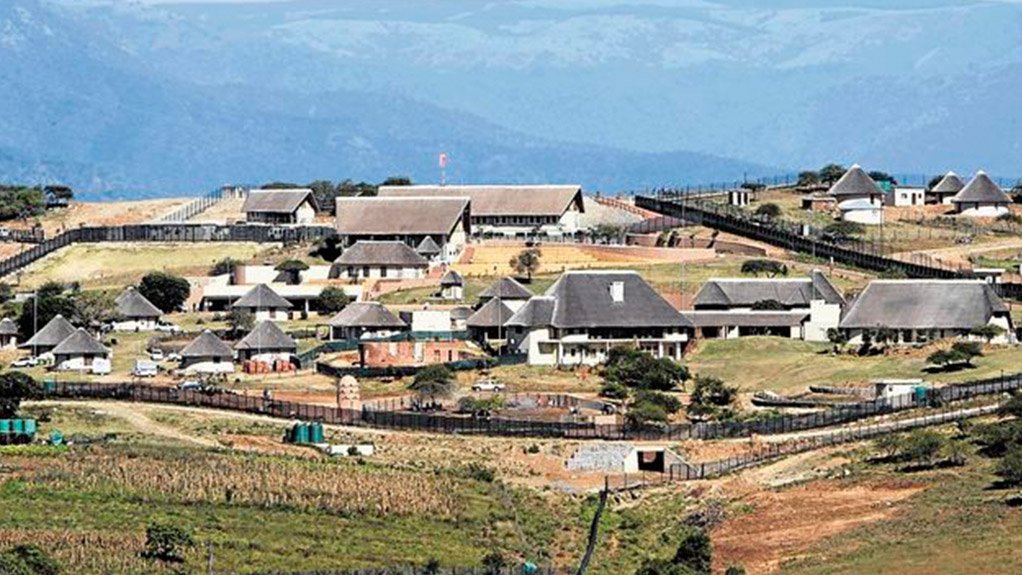
The judgment marks a definitive chapter in the decade-long Nkandla saga, which has long symbolized state-sponsored excess and systemic corruption in South Africa.
The tribunal comprehensively rejected Makhanya’s primary defense—that he was merely acting on direct operational instructions from the South African Police Service (SAPS) and the South African National Defence Force (SANDF).
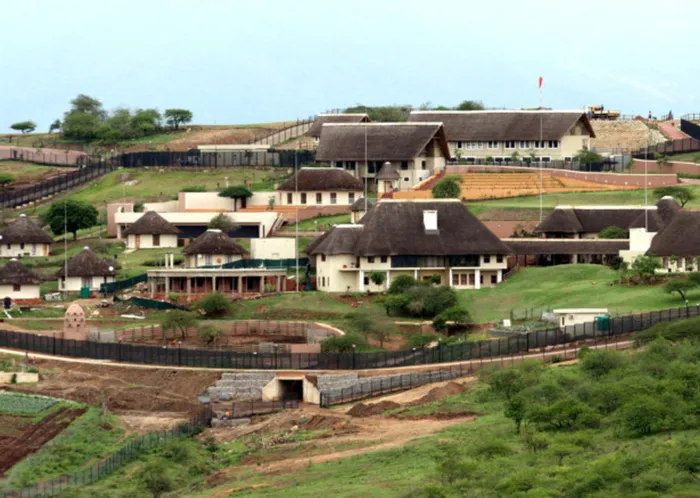
Instead, the court found that Makhanya actively breached his statutory, professional, and contractual obligations as the project’s principal agent, directly causing the National Department of Public Works and Infrastructure (DPWI) to incur immense, wasteful expenditure.
The Ballooning Costs of the Nkandla Estate
At the heart of the SIU’s successful civil claim was the staggering escalation of the project’s budget.
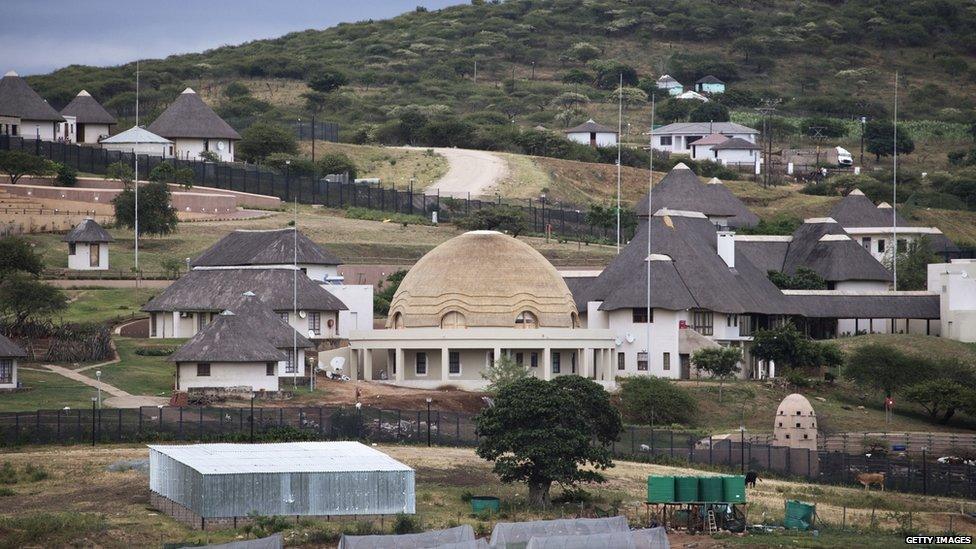
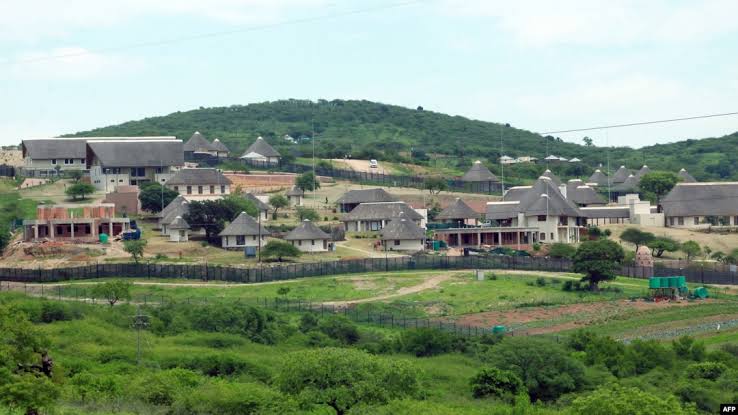
What was originally authorized as a routine security upgrade estimated at approximately R28 million catastrophically ballooned to a final cost exceeding R216 million.
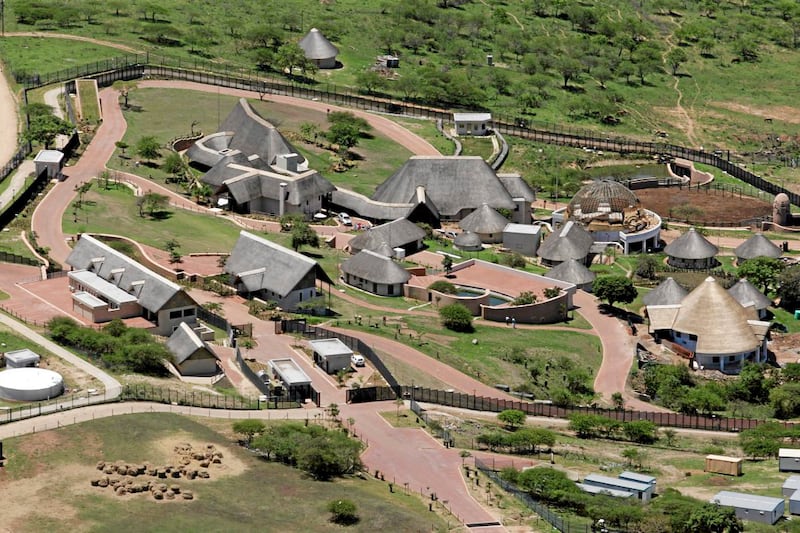
The Special Tribunal established that Makhanya permitted, designed, and approved excessive features that extended well beyond the legitimate threat assessments identified by state security organs.
The unauthorized enhancements included:
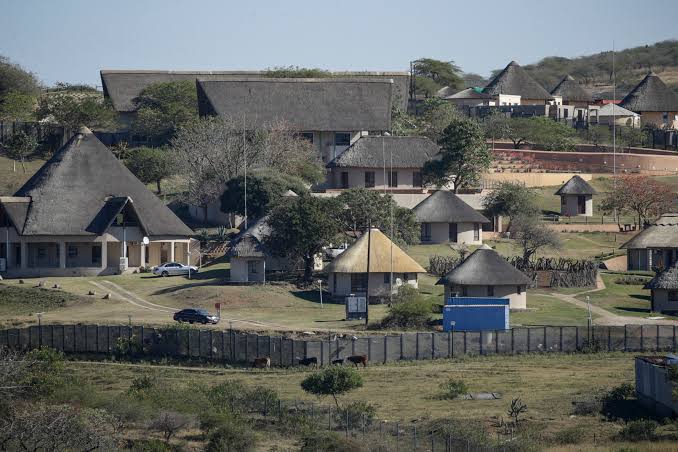
An extensive underground tunnel network and structural liftsMulti-unit state accommodations and VIP parking facilities
A highly publicized, multi-million-rand swimming pool (famously defended by state officials as a “fire pool”)
A specialized cattle kraal, a chicken run, and a visitor’s welcome centerAn amphitheater, vast internal road networks, and elaborate landscape engineering

Judge Pillay noted that Makhanya consistently authorized payouts for inflated, above-market-value services and certified financial disbursements for tasks that were either left completely unfinished or could not be verified by accounting audits.
Accountability and Legal Ramifications
The court effectively declared the original 2009 contract concluded between the DPWI and Makhanya invalid, noting it bypassed essential constitutional procurement regulations and public finance management statutes.
While Judge Pillay candidly remarked that it was “regrettable” that Makhanya was the sole individual facing this multi-million-rand civil prosecution—acknowledging that the architect “clearly did not act alone” in the multi-faceted scheme—the court emphasized that principal agents hold an uncompromising fiduciary duty to protect public revenue.
Makhanya was ordered to pay the full R147.2 million, which will accumulate interest at an annual rate of 11.25% from the date of the judgment until settled in full, alongside the SIU’s extensive legal costs involving two senior counsels.
Notably, the final financial figure reflects a strategic R7.8 million reduction accepted by the SIU.
This portion accounts for the funds previously paid back by former President Jacob Zuma following the Constitutional Court’s historic 2016 ruling regarding non-security-related additions.
A Victory for Consequence Management
The judgment has been hailed as a massive triumph for anti-corruption watchdogs and state accountability.
In an official statement, the SIU asserted that the outcome underscores its broader institutional commitment to enforcing consequence management within the public sector and recovering taxpayer monies lost to historical administrative malpractice.
Furthermore, the legal fallout for Makhanya may soon transition from financial to criminal.
In compliance with the Special Investigating Units and Special Tribunals Act, the unit confirmed it will systematically refer all underlying evidence of criminal conduct uncovered throughout its investigation to the National Prosecuting Authority (NPA) for formal indictment consideration.
For a South African public weary of corruption without consequences, this judgment serves as an emphatic validation of the rule of law, proving that even a decade later, those who mismanage state funds can be forced to pay back the money.