In South Africa’s shifting political landscape, few sagas are as complex as the ongoing tug-of-war between former President Jacob Zuma and his lifelong political home, the African National Congress (ANC).
Despite actively leading and campaigning for a rival political movement, the uMkhonto weSizwe Party (MK Party), Zuma has continuously stunned the nation by refusing to let go of his historical identity, declaring at a massive MK Party rally, “I will die an ANC member”.
This surreal paradox highlights a deep ideological and legal war over who owns the soul and legacy of South Africa’s liberation history.
The ANC’s Line in the Sand
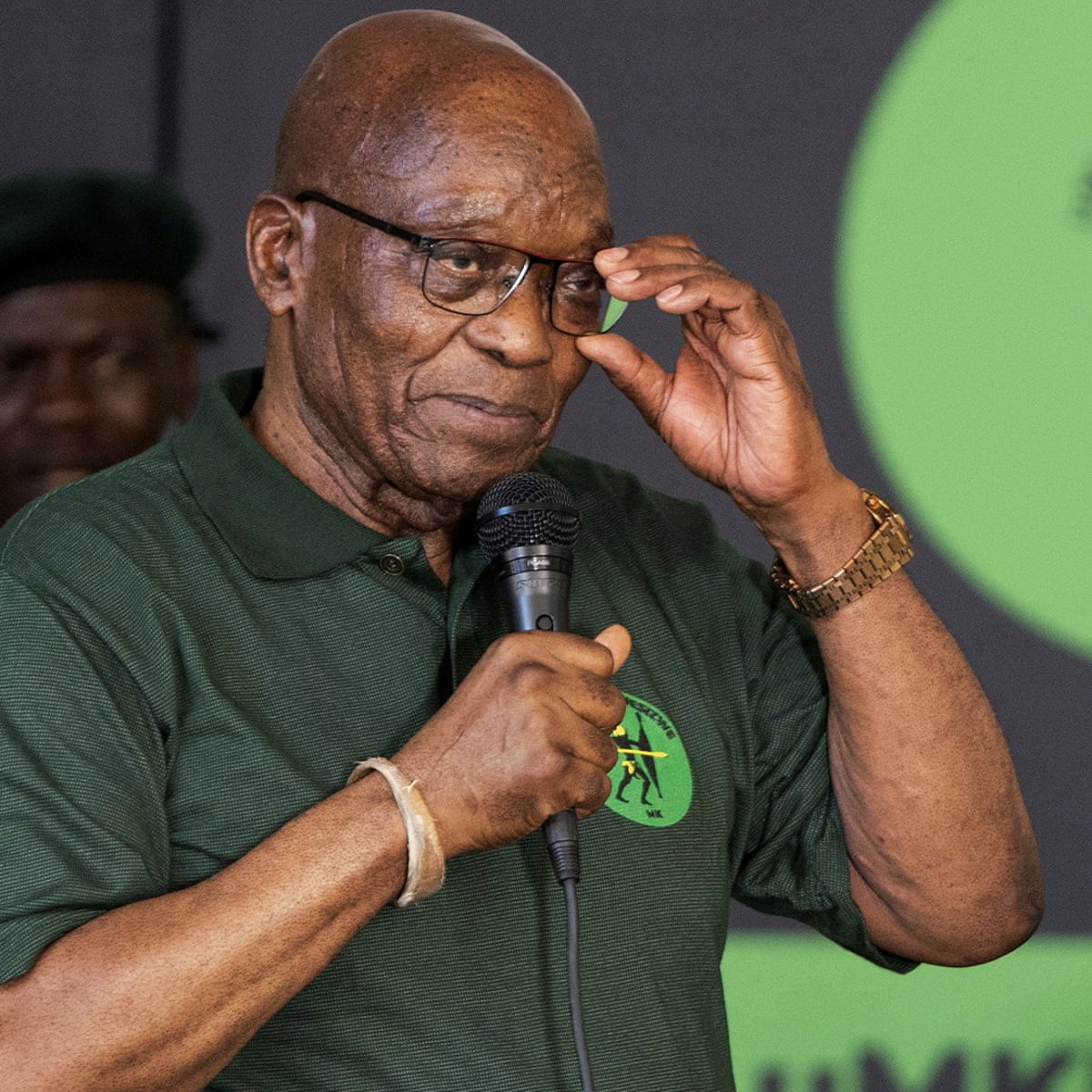
From the official perspective of the African National Congress, Jacob Zuma’s standing within the party is clear: he is permanently out.
The friction peaked after Zuma openly endorsed and spearheaded the breakaway MK Party, a move that severely fractured the ANC’s traditional support base and cost the ruling party its outright parliamentary majority.
In response to what it labeled “the highest form of ill-discipline,” the ANC National Disciplinary Committee of Appeal (NDCA) formally upheld Zuma’s expulsion, solidifying his removal.
Party leadership maintains that no single individual, regardless of their historical stature or past presidency, is greater than the collective movement.
For the current ANC leadership, working to build a rival organization while trying to maintain membership in the governing party is a fundamental constitutional violation.
Zuma’s Legal and Ideological Resistance
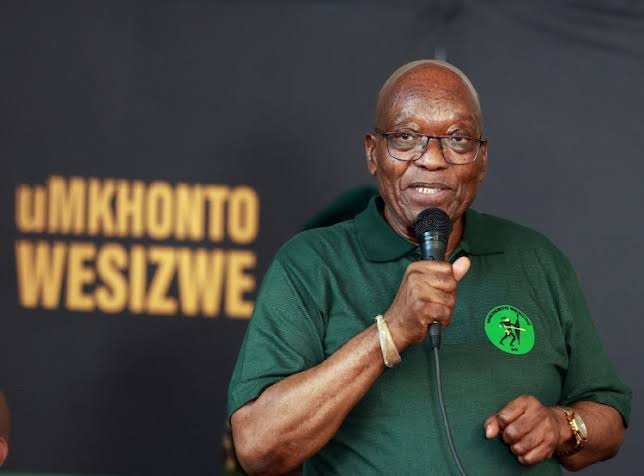
Zuma refuses to accept this narrative. Viewing his sixty-plus years of service to the anti-apartheid struggle as an indelible birthright, he has launched aggressive legal battles to overturn his expulsion.
Through his legal team, Zuma filed applications in the High Court against the ANC and his successor, President Cyril Ramaphosa, arguing that the internal disciplinary procedures used against him were unlawful, unconstitutional, and amounted to a “kangaroo court”.
Zuma’s strategy relies on a theory of dual political belonging. While he actively commands the MK Party on the ground, he insists his physical ANC membership card remains valid and cannot be erased by current party leaders, whom he frequently labels as “traitors” and “puppets”.
An Ultimate Merger Ambition
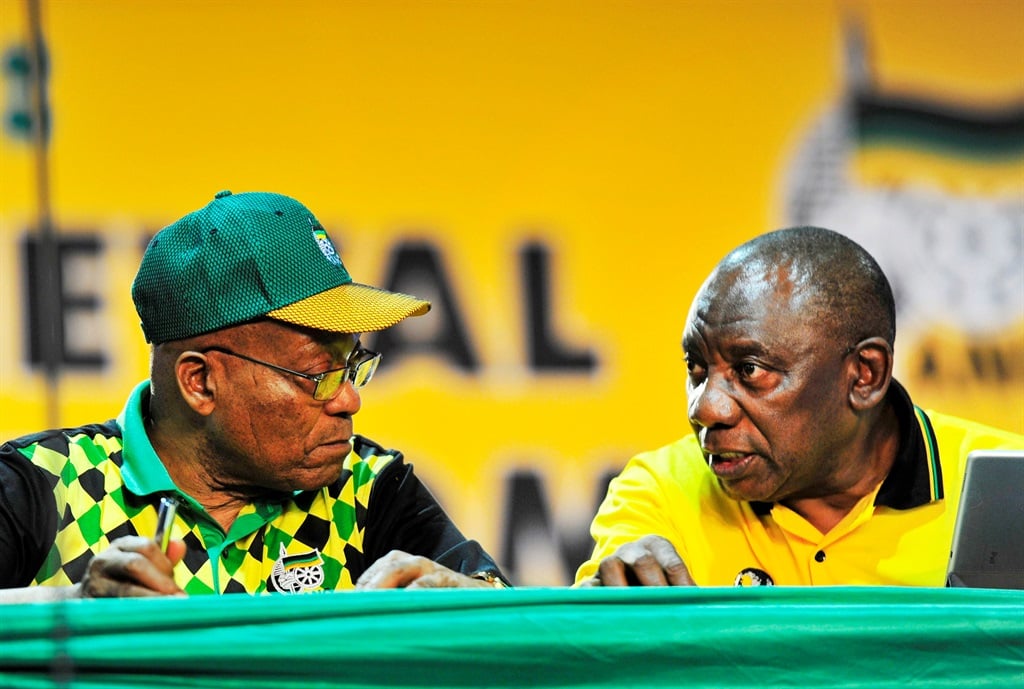
Zuma’s fight is not merely about holding a piece of plastic; it is a calculated long-term political play. He has explicitly stated that he has no intention of working for the ANC in its current form.
Instead, his stated goal is to defeat the party leadership in court, secure his reinstatement, and eventually facilitate a massive political takeover where the traditional ANC is absorbed or merged directly into the uMkhonto weSizwe Party.
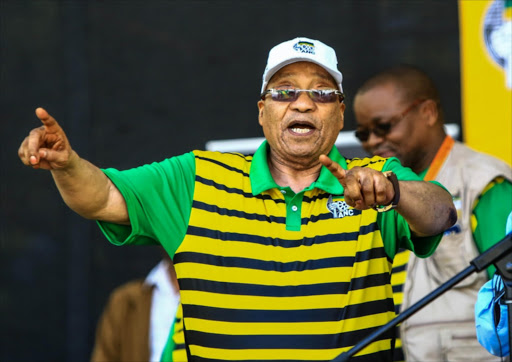
As the legal battles drag on through the courts, Zuma’s “ANC until I die” stance remains a potent tool, allowing him to pull at the heartstrings of traditional liberation voters while building a powerful opposition movement.
Whether South African courts validate this unprecedented dual political identity remains to be seen, but the battle continues to reshape the nation’s political boundaries.