In the high-stakes world of international football, the line between ultimate glory and crushing heartbreak is measured in fractions. When Bafana Bafana head coach Hugo Broos announced his final 26-man squad for the 2026 FIFA World Cup, it triggered a wave of nationwide celebration. South Africa was finally returning to the world stage for the first time since hosting the historic tournament in 2010. Yet, hidden beneath the jubilation was the quiet, devastating disappointment of the final cuts—the squad members who had sweated, trained, and sacrificed through intense camps, only to be left behind at the absolute final hurdle.
Recognizing that the psychological toll of missing out on a World Cup can derail a player’s career, South Africa’s Minister of Sport, Arts and Culture, Gayton McKenzie, stepped in to rewrite the script. In a unprecedented display of sports diplomacy and corporate partnership, Minister McKenzie announced a rescue mission: a fully funded trip to Mexico for the six axed players so they can witness Bafana Bafana’s historic opening match from the stands.
Meeting the “Extra Special Fans” Heading to Mexico
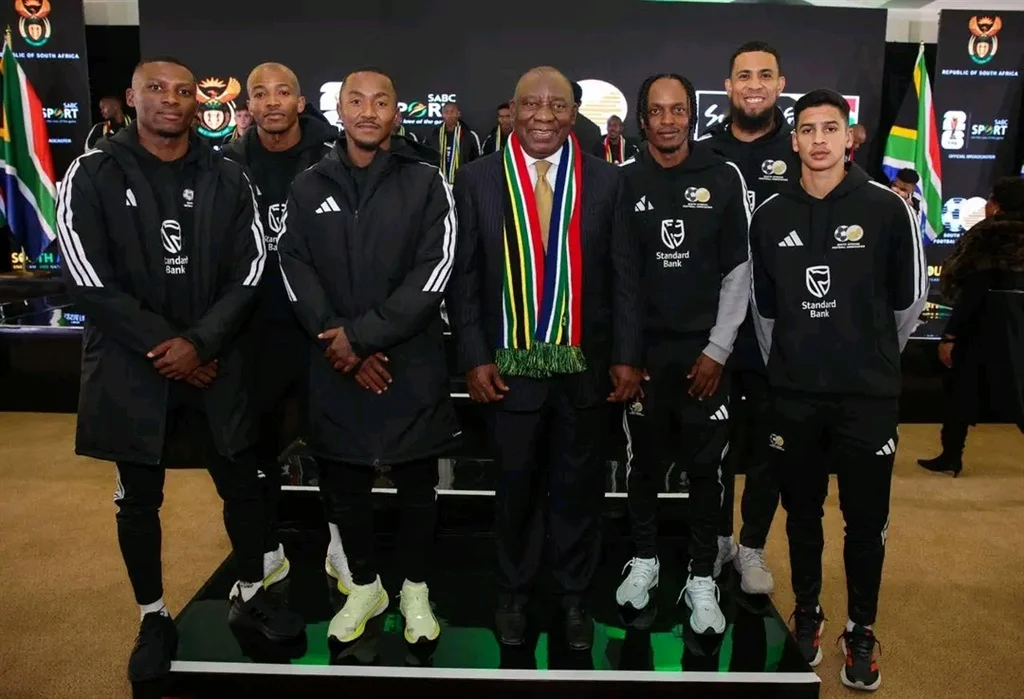
The initiative, put together in rapid response to the squad announcement, ensures that these six athletes will not be watching from their couches in South Africa. Instead, they will be amongst the partisan crowd at the iconic Estadio Azteca on June 11, 2026, when South Africa locks horns with tournament co-hosts Mexico in a blistering Group A opener.
Each of these players spent weeks in the preliminary training setups. The exclusion of Orlando Pirates’ playmaker Patrick Maswanganyi and Mamelodi Sundowns’ versatile speedster Thapelo Morena had particularly sparked intense debate across local sports radio stations, with many fans feeling their tactical versatility deserved a spot on the plane.
Corporate Alignment: The “Old School” Intervention
While Gayton McKenzie conceptualized the rescue mission, the financial execution required rapid corporate backing to bypass the standard, slow-moving bureaucratic channels of government funding. McKenzie reached out to the proudly South African clothing and lifestyle brand, Old School.
According to the Ministry, the brand’s response was immediate and unconditional, agreeing to cover the entire financial footprint of the trip—including business-class travel, luxury accommodation, and premium match tickets—ensuring the players travel in a manner fitting their status as national athletes.
“When I reached out to Old School, the answer was immediate. That kind of response – standing by those who gave their best – is what South African sport looks like at its finest. I am deeply grateful to them.”
— Minister Gayton McKenzie
This partnership highlights a refreshing shift in how the Department of Sport, Arts and Culture operations are being handled under McKenzie’s tenure, leaning heavily on agile public-private partnerships to solve immediate athletic and cultural dilemmas.
Changing the Culture of Sports Governance

Historically, players dropped from major tournament rosters are quietly sent home, left to process their professional grief in isolation. McKenzie’s initiative aims to dismantle this cold tradition, fostering a culture where national team contribution is valued holistically, rather than strictly through the lens of a final matchday squad sheet.
The margin between being player number 26 on the plane and player number 27 left on the tarmac is often entirely subjective, resting on a coach’s hyper-specific tactical preference for a certain match scenario. By bringing these six men into the broader South African supporters’ contingent in Mexico City, the Ministry is actively preserving their morale and keeping them integrated into the national team ecosystem.
The move is also a clever piece of psychological management for the remaining 26 players on the pitch. Seeing their fallen comrades honored and brought along as part of the family provides a profound emotional boost to the active squad, reinforcing a powerful sense of national unity.
Overcoming Administrative Hurdles
The announcement of the trip caps off an incredibly turbulent week for South African football logistics. Just days prior to this gesture, Minister McKenzie had to publicly express his fury over a massive administrative visa bungle that briefly grounded Bafana Bafana’s chartered flight to their preliminary North American training base.
A delay in processing United States transit and visitor visas at the US Embassy in Johannesburg had threatened to throw Hugo Broos’ entire pre-tournament schedule into disarray. While that administrative fire was successfully put out by the Ministry and SAFA officials, it underscored the sheer logistical complexity of moving an entire sporting delegation across the Atlantic.
With the visa drama firmly in the rearview mirror and the six omitted players officially taken care of, South Africa can shift its undivided focus to the pitch.
As Minister McKenzie aptly summarized: “We go to Mexico as one nation. There will be twenty-six deserving players in the squad, and six more equally special ones in the stands. All of them are Bafana Bafana. On that day, all 60 million of us will be Bafana Bafana.”