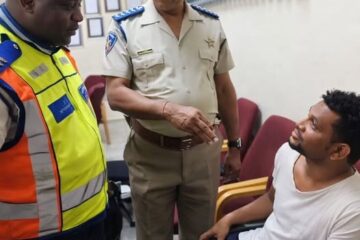
JOHANNESBURG, GAUTENG — The Gauteng Department of Human Settlements has officially launched a high-priority investigation into a sophisticated housing racket involving the illegal rental and sale of government-subsidized Reconstruction and Development Programme (RDP) houses. At the center of the recent firestorm is a Nigerian national allegedly operating an extensive unauthorized rental network, sparking a national debate over the protection of public assets meant for South Africa’s most vulnerable citizens.
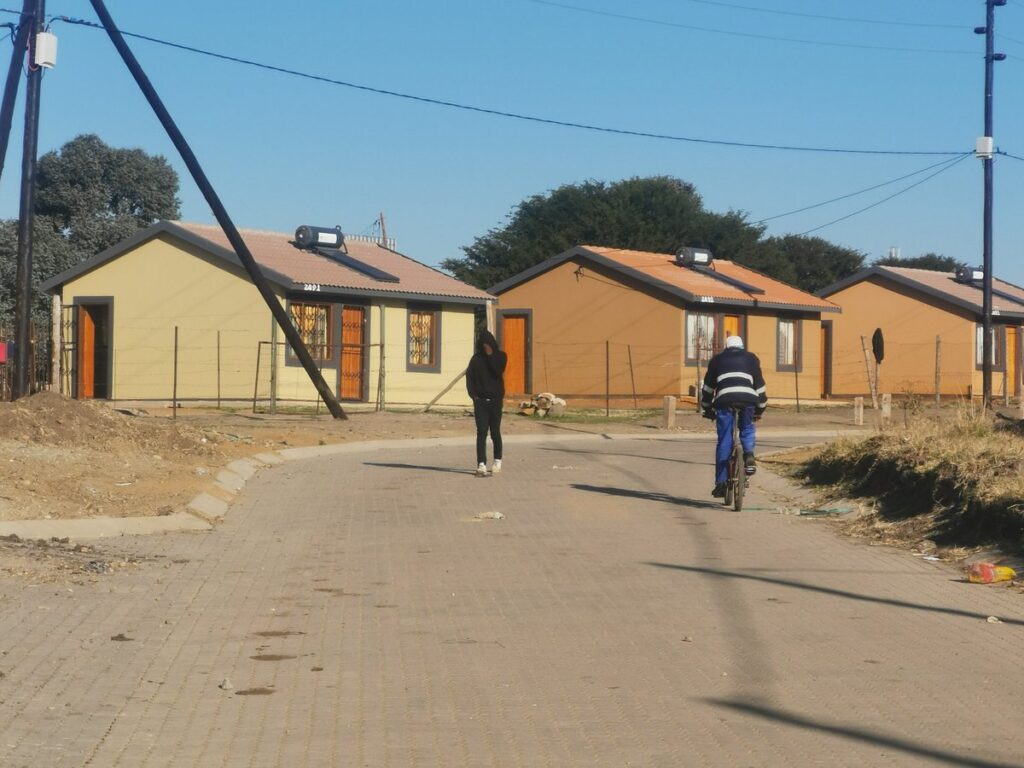
The probe follows a series of whistleblower reports and community protests in areas such as Devon and parts of Ekurhuleni, where residents claimed that dozens of RDP units were being “managed” by external actors rather than the legitimate beneficiaries.
The Modus Operandi: A Parallel Housing Market

The investigation reveals a troubling trend where RDP houses—intended strictly for qualifying low-income South Africans—are being treated as commercial commodities. In the specific case currently under scrutiny, a Nigerian man is alleged to have acted as a “shadow landlord,” leasing out multiple properties to both South Africans and fellow foreign nationals.
According to preliminary findings, the scheme often operates in one of two ways:
- Opportunistic Beneficiaries: Original beneficiaries, often facing financial hardship, “sell” their houses for cash sums ranging from R20,000 to R40,000, bypassing the legal eight-year “no-sale” clause.
- Organized Occupation: In more aggressive cases, syndicates identify vacant RDP units—often where the rightful owners have passed away or moved—and install tenants who pay monthly rents directly to the syndicate leaders.
“RDP houses are not for sale on the open market, and they are certainly not a tool for profit-making by third parties,” stated a spokesperson for the Gauteng Department of Human Settlements. “Any attempt to subvert the housing list is an act of undermining the state and the millions of people who have been waiting for dignity since 1994.”
The Legal Framework: The 8-Year Rule
The Minister of Human Settlements, Thembi Simelane, has reiterated that the Housing Amendment Act is explicit: an RDP beneficiary cannot sell or rent out the property for a period of eight years after allocation. Even after eight years, the property must first be offered back to the state if the owner wishes to vacate it.
By renting out these properties, individuals—particularly non-citizens who are not eligible for RDP ownership—are operating outside the law. For the Nigerian national at the heart of the Port Shepstone and Gauteng allegations, the legal consequences could be severe, involving charges of fraud, trespassing, and potential violations of the Immigration Act.
Community Tensions and “Operation Shanela”
The discovery of these illegal rentals has exacerbated existing tensions in South African townships. In many areas, residents who have been on housing waiting lists for over two decades have expressed outrage at seeing RDP units occupied by people who did not follow the official process.
Local community leaders have warned that the lack of enforcement creates a vacuum often filled by vigilante groups. “When the government doesn’t act, people feel they must take the law into their own hands,” said one community activist. “We have grandmothers living in shacks while young men who are not even from this country are collecting rent on government property. It is a recipe for disaster.”
In response, the South African Police Service (SAPS), under the banner of Operation Shanela, has begun assisting housing officials in door-to-door verifications. These “verification blitzes” involve checking title deeds against the identities of current occupants to identify “hijacked” or illegally leased homes.
The “Special Investigating Unit” (SIU) Involvement
The scope of the investigation has broadened to include potential corruption within the Department of Human Settlements itself. Authorities are probing whether departmental officials assisted in the fraudulent transfer of title deeds or provided “protection” to the syndicates in exchange for a cut of the rental income.
Recent reports from the Special Investigating Unit (SIU) have already highlighted systemic fraud within the Department of Home Affairs, involving the sale of permits and visas. Investigators are now looking for links between these immigration scams and the RDP housing rackets, suggesting that organized crime syndicates are exploiting multiple state departments simultaneously.
The Human Cost: Denying Dignity
Beyond the legalities and the arrests, the real tragedy lies in the displacement of the rightful beneficiaries. The “waiting list” is not just a list of names; it is a list of families living in informal settlements, exposed to the elements and lacking basic sanitation.
When an RDP house is illegally rented out:
- The Waiting List Stagnates: A house that should have gone to a qualifying pensioner or a child-headed household is lost to the shadow economy.
- Infrastructure is Strained: These “rental hubs” often lead to overcrowding, as landlords squeeze multiple tenants into a single unit to maximize profit, putting pressure on local electricity and water grids.
- Legal Recourse is Rare: Tenants who pay rent to illegal landlords have no protection under the Rental Housing Act, making them vulnerable to sudden eviction or exploitation.
A Call for Vigilance
The Gauteng Department of Human Settlements has issued a stern warning to the public: Do not pay anyone for an RDP house. The government does not sell these properties via social media, and no official is authorized to collect “processing fees” or rent on behalf of the state.
As the investigation into the Nigerian national and his alleged accomplices continues, the department has urged residents to report suspicious housing activities to the dedicated anti-corruption hotline. “We are reclaiming the system,” the department concluded. “Those who have turned our people’s hope for housing into a business will be dealt with decisively.”
RDP Housing Regulations Summary:
| Rule | Description |
| :— | :— |
| 8-Year Clause | Houses cannot be sold or rented for 8 years after allocation. |
| Eligibility | Strictly for South African citizens/permanent residents with low income. |
| Transfer | Only legal through a formal deed transfer involving the Department. |
| Penalty | Illegal sellers/buyers face eviction and criminal prosecution. |