South African hip-hop artist Mthembeni Ndevu, popularly known as Emtee, has been released on bail following his recent arrest and court appearance.
The multi-award-winning rapper behind hits like “Roll Up” and “Pearl Thusi” found himself back in the media spotlight for reasons unrelated to his music, as law enforcement confirmed his temporary release under strict conditions pending further investigation.
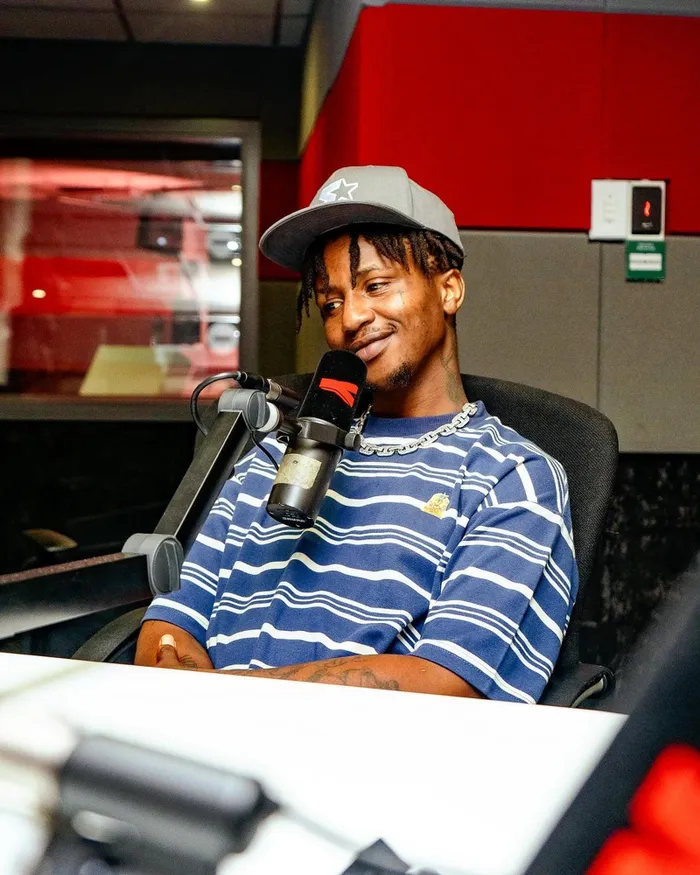
The legal proceedings have drawn intense public scrutiny, reflecting the complex relationship between the musician’s celebrated artistic career and his turbulent personal life.
Supporters and critics alike have flocked to social media platforms to debate the implications of his latest legal hurdle, while industry insiders watch closely to see how the development will impact his brand, upcoming performances, and pending musical releases.
The Background of the Arrest

While specific details regarding the exact nature of the charges are closely guarded by legal representatives, police sources confirmed that the arrest followed a formal complaint lodged against the artist.
South African law enforcement officials executed the warrant, taking Ndevu into custody before processing him through the local magistrate’s court.
The courtroom was filled with a mix of media personnel, legal teams, and a handful of loyal supporters waiting to hear the outcome of the bail application.
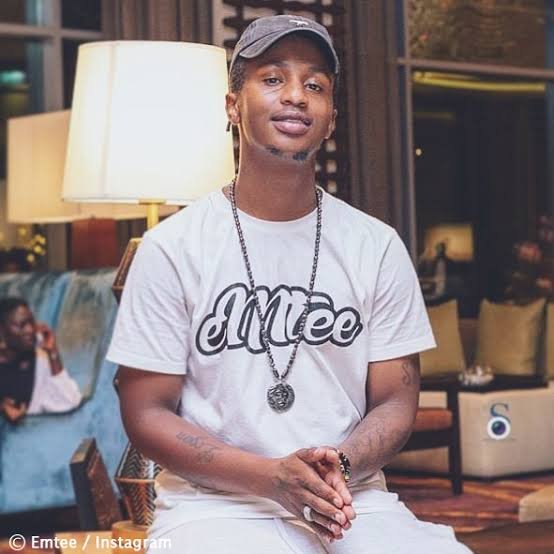
State prosecutors did not heavily oppose bail, provided that the accused adheres to strict guidelines designed to ensure his return to court and to prevent any potential interference with state witnesses or ongoing investigations.
The defense team successfully argued that Ndevu is a well-known public figure with deep roots in the local community, making him a minimal flight risk.
Consequently, the presiding magistrate granted bail, setting a specific monetary amount and warning the artist to maintain an unblemished record while out on release.
A Career Marked by Triumphs and Turbulence

Emtee burst onto the South African music scene in 2015, quickly establishing himself as one of the most prominent voices in vernacular trap music.
His debut album, Avery, achieved critical acclaim and commercial success, earning him several South African Music Awards (SAMAs). His distinct melodic flow and relatable lyrics about overcoming poverty resonated deeply with millions of youth across the continent.
However, his rise to fame has frequently been accompanied by highly publicized personal struggles.

Over the years, the rapper has faced public contract disputes with his former record label, Ambitiouz Entertainment, highly publicized marital friction, and repeated rumors surrounding his health and well-being.
Despite these setbacks, Emtee has consistently maintained a dedicated fanbase—affectionately known as “The Hustlers”—who view his flaws as part of an authentic, ongoing narrative of survival and resilience.
Public and Industry Reactions

The news of Emtee’s release on bail triggered an immediate wave of commentary across X (formerly Twitter), Facebook, and Instagram.
Many fans expressed relief that the artist would not remain incarcerated, urging him to focus entirely on his mental health, family, and music.
Conversely, civic organizations and critics have emphasized the importance of accountability, stating that public figures should not receive preferential treatment within the justice system.Within the music industry, the reaction remains cautious.
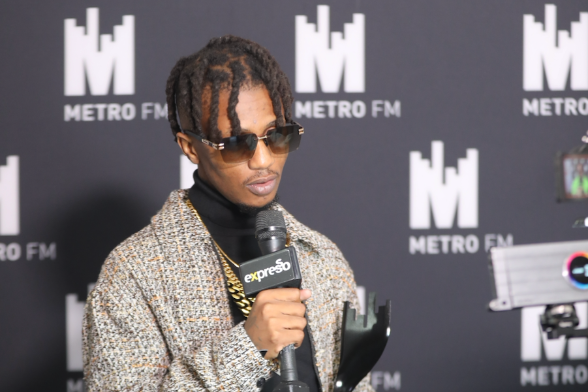
Record executives, event organizers, and corporate sponsors are increasingly risk-averse when dealing with artists facing active legal trials.
While some independent promoters continue to book the rapper for club appearances and festivals, larger corporate endorsements remain tentative until the legal system delivers a final verdict.
What Lies Ahead for the Artist

With his freedom temporarily secured, Emtee’s immediate focus will likely split between preparing his legal defense and managing his career commitments.
Legal experts note that being out on bail allows an accused individual to work and consult freely with their legal counsel, a crucial advantage as the state builds its case.
The trial is expected to resume in the coming months, during which the court will examine the evidence presented by the prosecution.
Until then, the hip-hop star remains under the legal microscope, with every public move analyzed by both the justice system and the court of public opinion. Whether this chapter serves as another hurdle or a turning point for the resilient artist remains to be seen.