South African social media has erupted after the notorious X (formerly Twitter) personality, Chris Excel, publicly accused the popular online content creator known as Big Baby Hlo of secretly working as a schoolteacher.
The assertion immediately sent shockwaves across South African digital spaces, igniting intense debates regarding the intersection of an influencer’s private livelihood, their online persona, and professional ethics in traditional workspaces.
The Spark of the Controversy

The drama unfolded when Chris Excel, widely known as the self-proclaimed “Black Twitter President”, shared a post directed at Big Baby Hlo. In typical savage fashion, Excel alleged that behind the glamorous lifestyle, curated Instagram aesthetic, and Adult Content creator brand, Hlo relies on a conventional day job as an educator to sustain herself.
Chris Excel’s brand thrives on unmasking public figures and delivering unfiltered commentary. By targeting Big Baby Hlo, the account tapped into a sensitive cultural talking point in South Africa: the professional boundaries expected of individuals entrusted with mentoring the youth.
Public Backlash and the Double Standard Debate
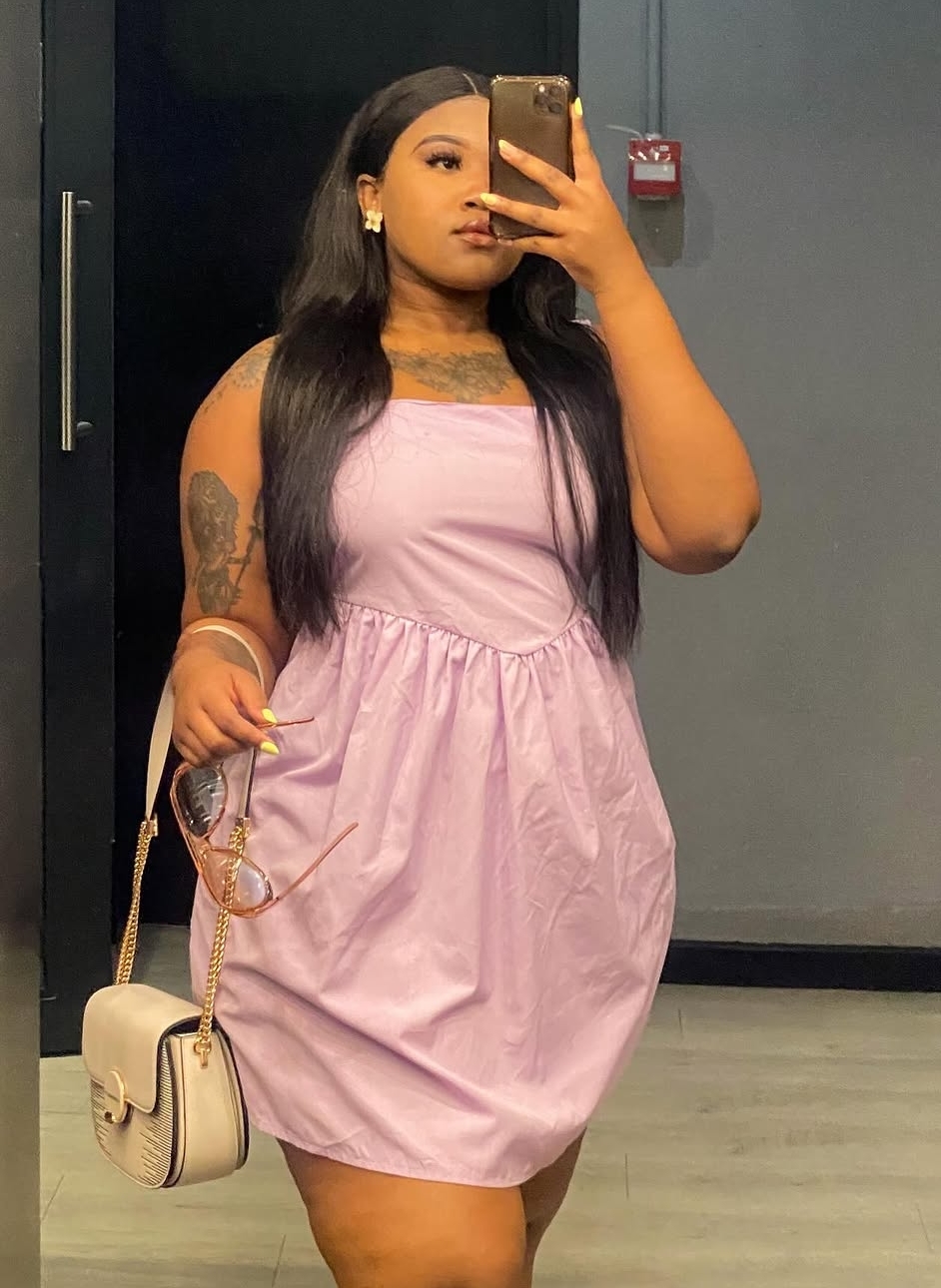
As the rumor gained traction, social media users quickly split into opposing camps.
• The Critics: One side argues that a career in education demands a strict moral code. In South Africa, professional bodies like the South African Council for Educators (SACE) enforce guidelines to protect learners and uphold the integrity of the schooling system. Critics suggest that an active, adult-oriented digital footprint is inherently incompatible with the role of a traditional educator, raising concerns about classroom boundaries.
• The Supporters: On the other hand, a massive wave of defenders rushed to support Hlo. Supporters point out that South Africa’s harsh economic climate frequently forces young graduates and professionals to pursue multiple income streams.
Many argue that what a person does in their private life—provided it is legal—should have no bearing on their corporate or academic capabilities. Influencers like Lulu Menziwa have previously faced similar public scrutiny for their classroom attire and lifestyle choices, yet successfully maintained their roles as educators.
Privacy in the Digital Age

The saga spotlights the ongoing privacy violations perpetuated by anonymous cyber-trolls. Much like the real-world impact felt by figures like Bianca Coster—whose identity was used as a shield by the Chris Excel catfish account—unverified online call-outs have tangible consequences on an individual’s livelihood.
Doxxing or exposing a creator’s traditional employment places their corporate safety, mental well-being, and personal security at immediate risk.
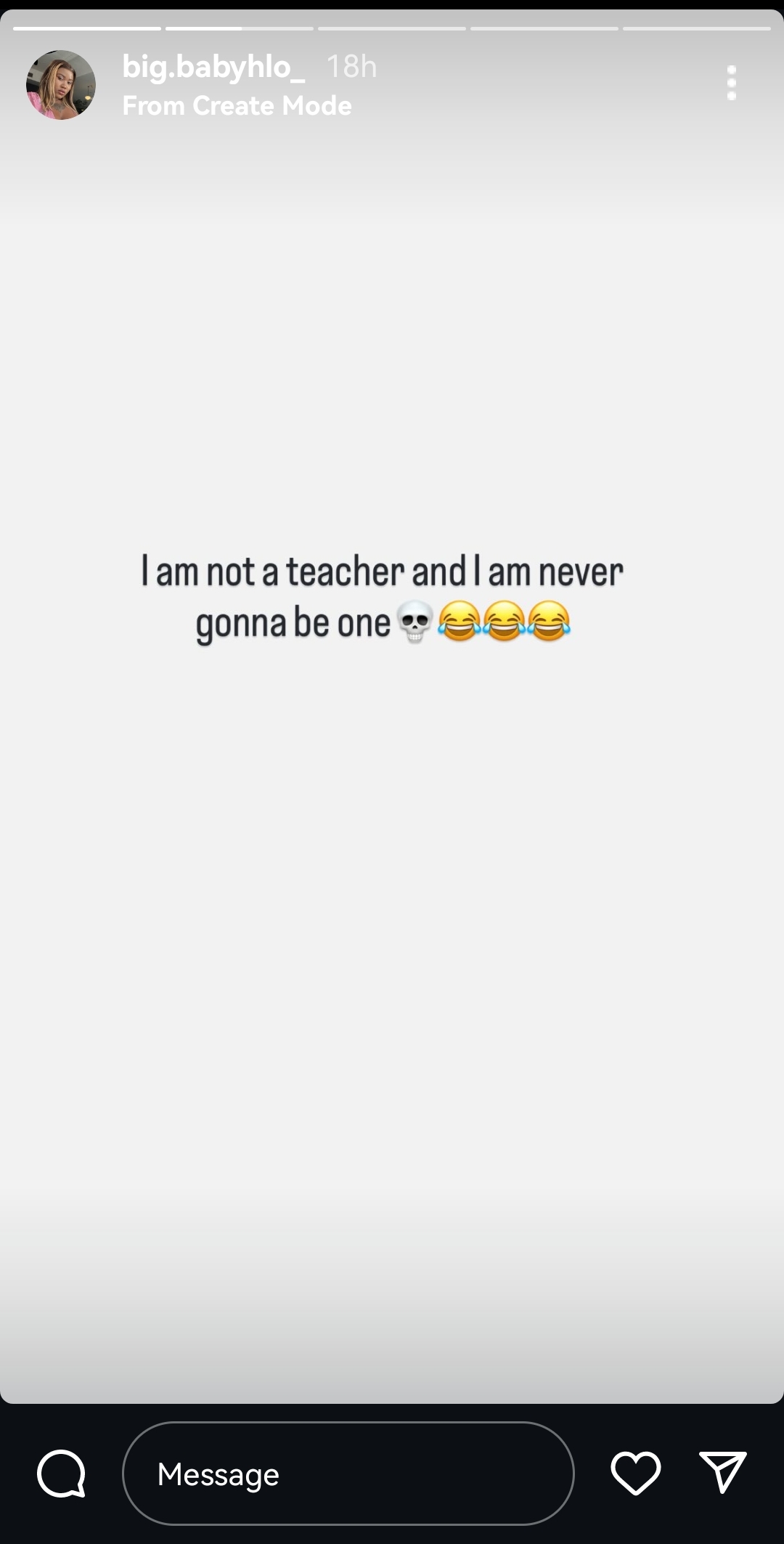
As of now, Big Baby Hlo has not formally confirmed or denied the teaching allegations, choosing to focus on her established digital platforms.
Ultimately, this viral clash underscores a growing societal dilemma: as the digital economy expands, the line between private content creation and formal public service continues to blur, leaving institutions and individuals to navigate uncharted territory.