The intersection of human tragedy and legal strategy often forces society to confront deeply uncomfortable questions.
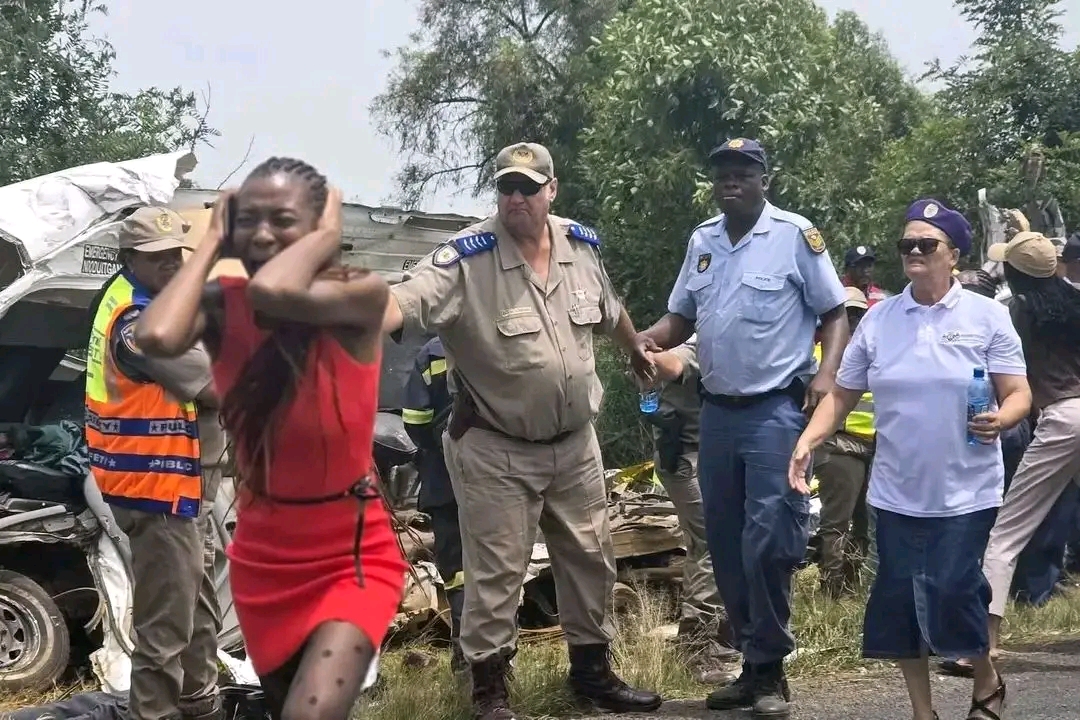
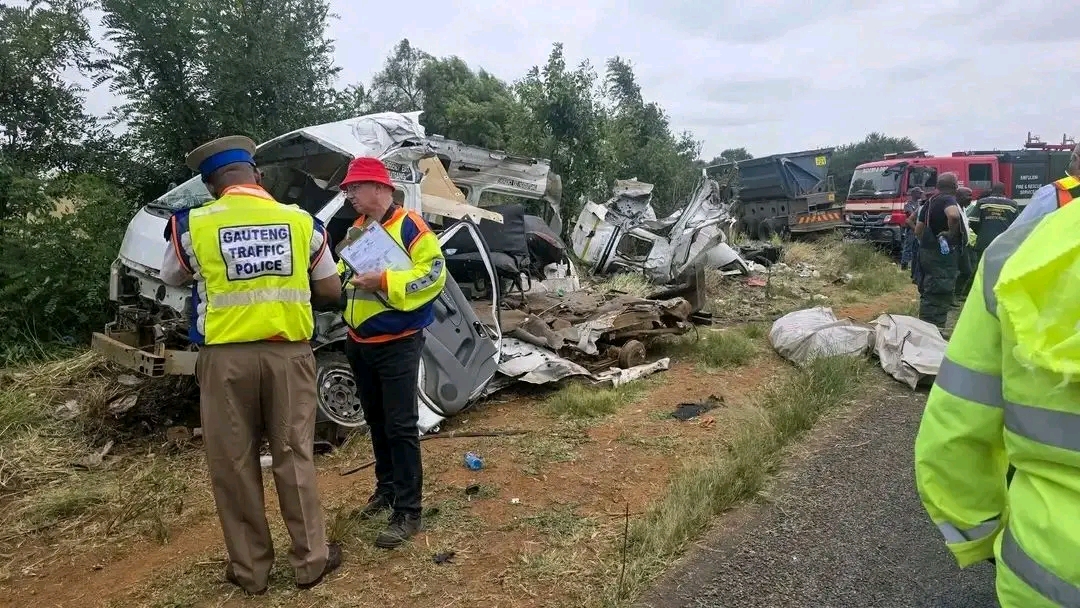
In South Africa, few recent events have sparked as much collective grief and outrage as the horrific scholar transport crash on the R553 Golden Highway in Vanderbijlpark, which claimed the lives of 14 innocent school learners.

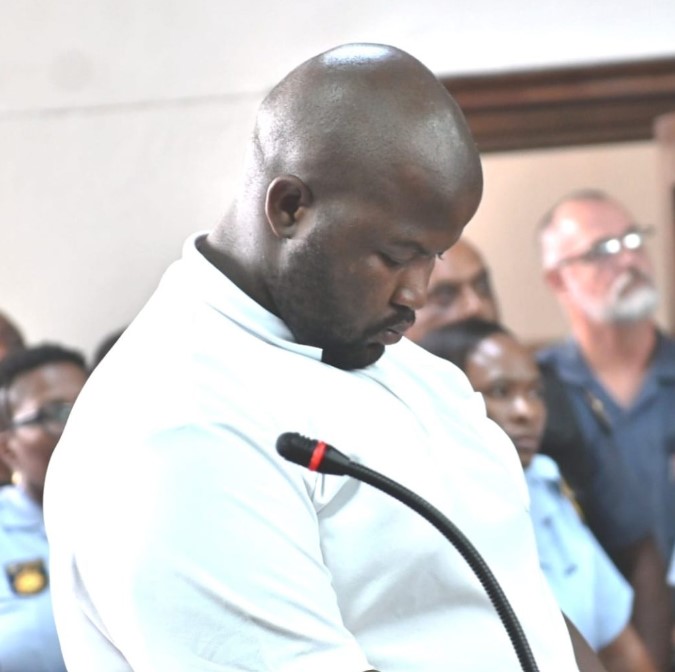
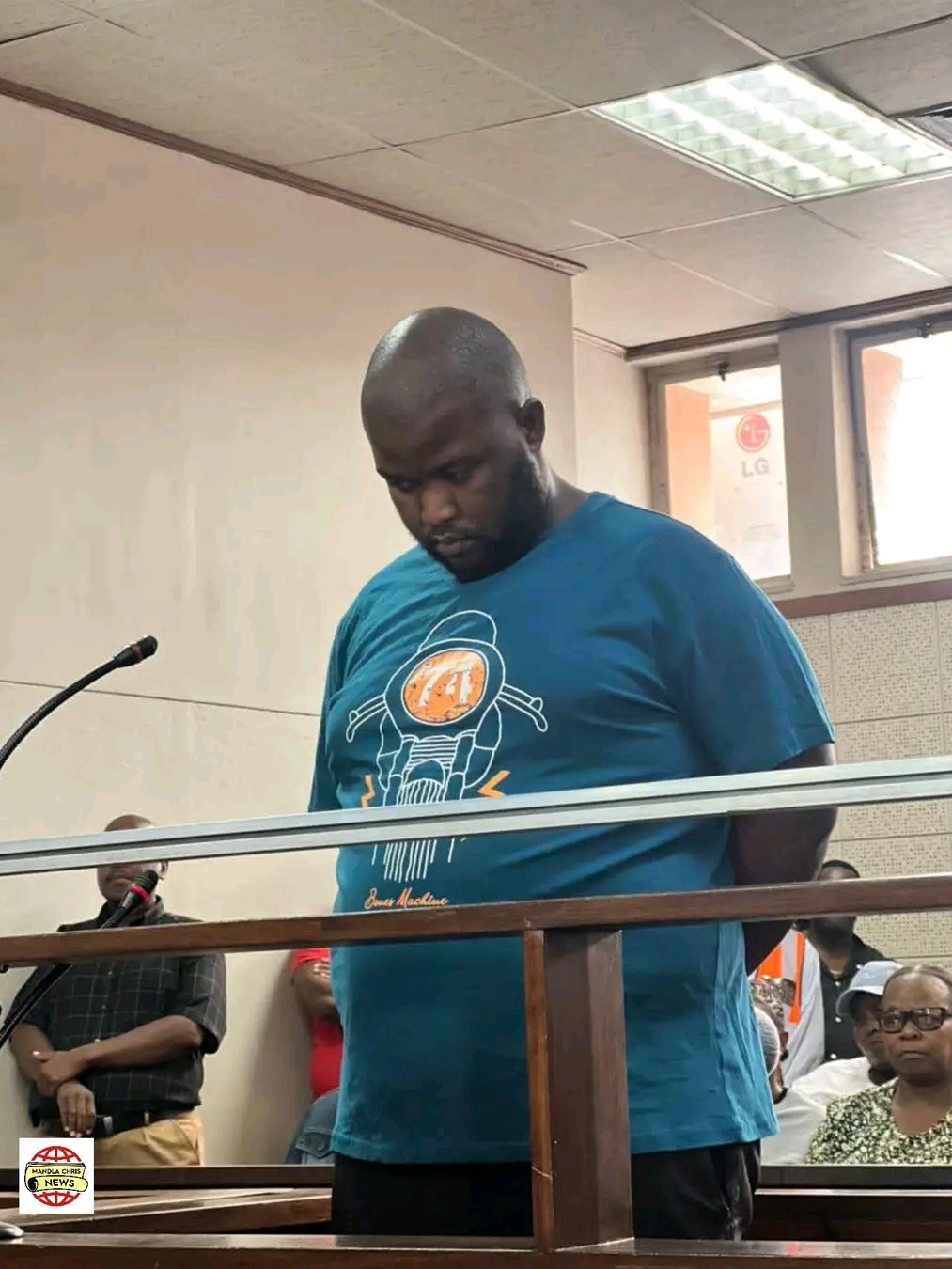
When the 23-year-old minibus driver, Ayanda Dludla, appeared before the Vanderbijlpark Magistrates’ Court, the nation watched closely to see how the legal system would weigh public anger against the constitutional rights of the accused.
In a dramatic turn of events, Dludla was granted bail of R3,000, a decision heavily influenced by a nuanced defense strategy that brought his personal background, including alleged historical learning challenges, to the forefront of the proceedings.
Dludla faces a daunting list of charges: 14 counts of murder, three counts of attempted murder, reckless and negligent driving, and operating a vehicle without a valid professional driving permit or licensing documentation.
Initially, the state had looked to charge him with culpable homicide, but following a thorough review of the case docket and dashcam footage—which allegedly showed the vehicle attempting a high-risk overtake of multiple cars before colliding head-on with a heavy side-tipper truck—the National Prosecuting Authority upgraded the charges to murder under Schedule 5 of the Criminal Procedure Act.
Fearing for his life amidst overwhelming public fury, Dludla initially abandoned his bid for bail shortly after the January tragedy.
However, seven months later, his legal defense team, led by attorney Reward Nxumalo, returned to court with a fresh application built on new facts.
Central to the defense’s argument was an intimate examination of Dludla’s personal profile, mental state, and history.
The defense painted a picture of a young man of modest means who had carried the psychological weight of the tragedy while in custody.
Crucially, details emerged regarding his background, with arguments pointing toward historical learning challenges and a lack of early childhood educational intervention that left him vulnerable to systemic struggles.
The defense argued that these underlying vulnerabilities, combined with his evident remorse and lack of criminal record, demonstrated that he was not a malicious criminal but a young individual caught in a catastrophic event.
They emphasized that Dludla was completely broken by the incident, noting that the children he transported knew and loved him, often affectionately calling him “Malume” (Uncle).
By highlighting his cognitive and social background, the defense sought to dismantle the state’s portrayal of a hardened flight risk, framing him instead as an ordinary, impoverished young man who would fully cooperate with the justice system.
The state mounted a fierce opposition to his release. The prosecution argued that public anger remained dangerously high, citing an alleged incident where an armed individual tried to gain access to Dludla while he was hospitalized.
The state contended that releasing him would not be in the interest of justice, as his safety could not be guaranteed outside of prison walls, and there remained a risk of witness intimidation.
Furthermore, the families of the deceased learners expressed deep pain over the bail application, viewing it as an evasion of accountability for the young lives cut short.
Ultimately, Presiding Magistrate Phumeza Ngindo ruled in favor of the defense’s application, granting Dludla freedom while he awaits trial.
In delivering the judgment, the magistrate noted that Dludla is a person of limited financial means who was even prepared to sacrifice his university savings to secure his release.
The court found that the state’s fears regarding imminent death threats were not sufficiently substantiated to warrant his continued detention, agreeing with the defense that he was not a flight risk.
However, his freedom comes with stringent strings attached. Magistrate Ngindo imposed strict conditions: Dludla is strictly prohibited from operating any motor vehicle for the duration of the trial, he must reside continuously at his mother’s home, and he must report regularly to the local police station.
While the legal victory allows Dludla to step out of a juvenile detention facility and return home to his family, the court of public opinion remains sharply divided.
For the grieving families of the Vaal community, the long and painful march toward a definitive trial continues, serving as a sobering reminder of the complex task judges face when balancing systemic personal hardships with the demand for absolute accountability.