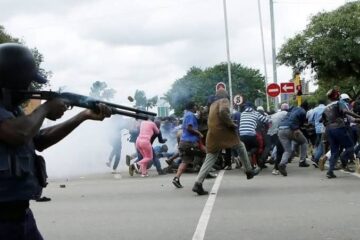
Cape Town communities are in deep shock. A severe wave of violent crime and shootings left at least 27 people dead between Friday, August 21, and Monday, August 24.
The bloodshed struck multiple areas across the metropole. Families mourn their loved ones. Residents demand better safety.
ALSO READ | Ex-Boxing World Champion Zolani Tete shot and killed
Law enforcement faces immense pressure to stop the ongoing crisis.
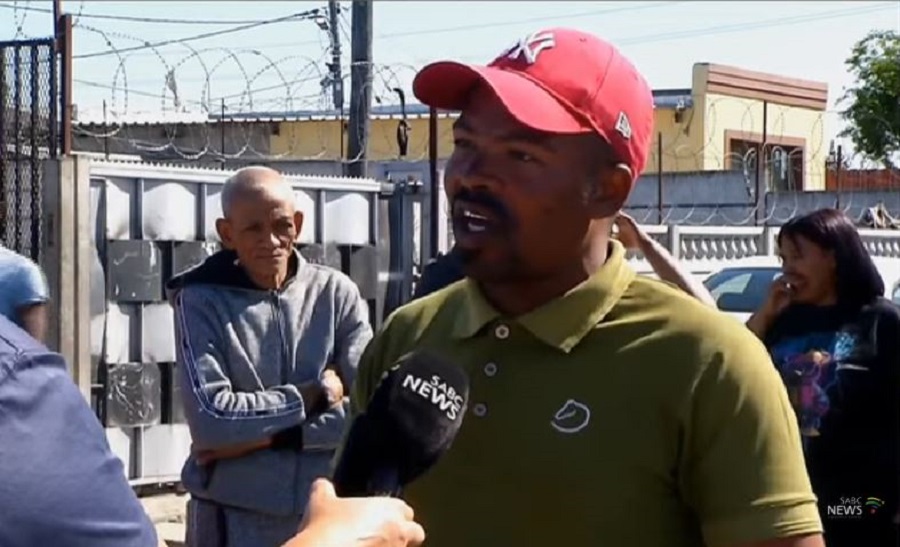
The Timeline of TragedyThe violence started on Friday, August 21. Reports of shootings came from Manenberg, Delft, Elsies River, and Mitchells Plain.
At least seven people died on that first day alone. Delft recorded multiple violent incidents.
Mitchells Plain saw a deadly shooting in Portlands where two people died and another was left critically wounded near a local primary school.
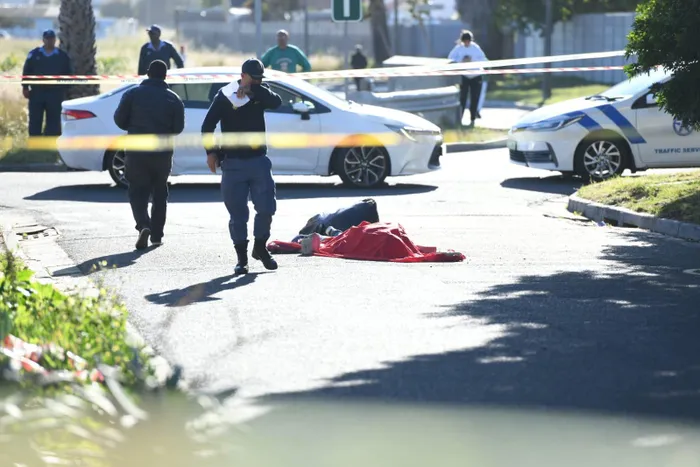
The weekend brought no relief. On Saturday and Sunday, the violence spread further.
Athlone: Three men aged between 19 and 36 were shot and killed inside a house in Silvertown. Later, two more people died on Klipfontein Road.
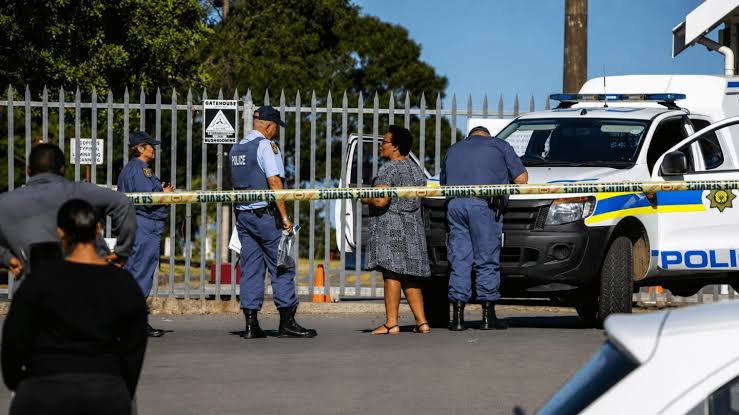
Happy Valley (Mfuleni/Blackheath): The bodies of a woman and two men were found inside a shack with multiple gunshot wounds.
Du Noon: Four men were brutally killed and set alight in an open field near Malibongwe Drive. Attackers used tyres to burn the victims.
These localized mass killings pushed the death toll to 27. Numerous others remain in hospitals with critical injuries.
The Root Causes of the Violence
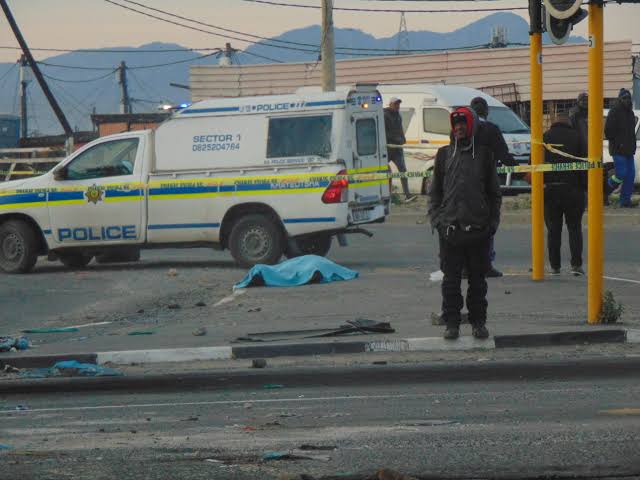
Experts and community leaders point to deep-seated systemic issues. Gang warfare drives much of the bloodshed on the Cape Flats and surrounding townships.
Illegal firearms flood these neighborhoods. Poverty and high unemployment rates make young people vulnerable to gang recruitment. Social breakdown weakens community structures.
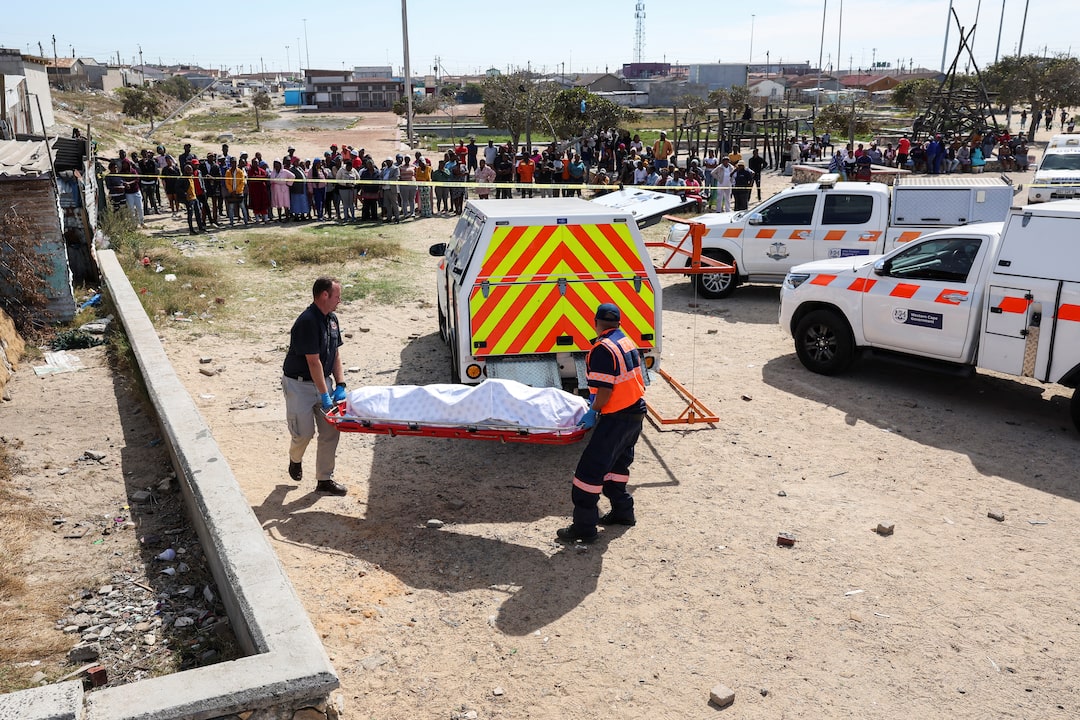
Criminal syndicates also engage in extortion, creating an atmosphere of lawlessness.
Residents report that gunfire now erupts in broad daylight. People no longer feel safe in their homes or on the streets.
Local activists state that traditional policing methods fail to disrupt the cycle of revenge and territorial fighting.
Police Response and Investigations
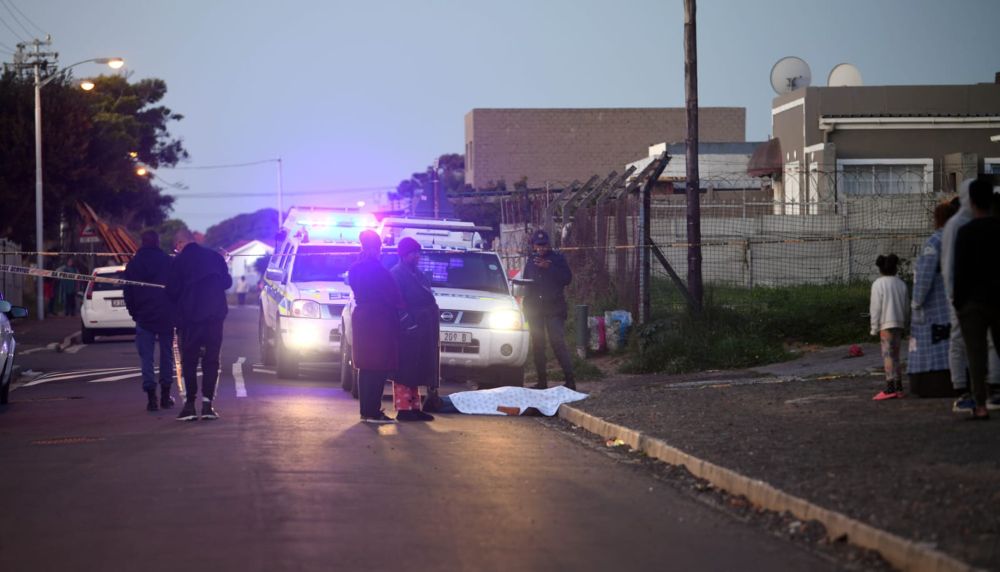
The South African Police Service (SAPS) in the Western Cape launched urgent investigations into the separate mass shootings and murders.
Detectives from the Provincial Serious Violent Crimes Unit are handling the complex cases.Western Cape police authorities deployed extra officers to high-risk areas.
Officials implemented 72-hour activation plans in specific zones to track down suspects.
Despite these actions, police confirmed that no major arrests have been secured immediately following the weekend’s heaviest strikes.
Provincial leaders urge anyone with useful information to contact Crime Stop.
For comprehensive updates on these ongoing investigations, local residents track reports via SABC News as journalists follow developments from the crime scenes.
Communities Call for Change
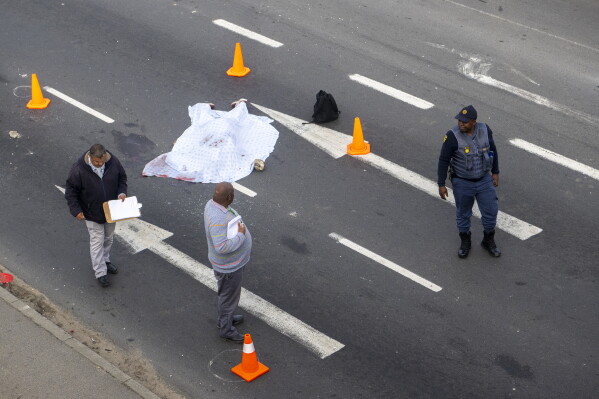
Civil society groups express profound grief and anger. Local organizations state that Cape Town lives through a human catastrophe.
Memorials and prayer vigils are planned across the affected neighborhoods.Communities demand long-term strategies from the government.
Better intelligence gathering, stricter control of illegal weapons, and improved social support systems are vital.
Without deep economic intervention and community accountability, residents fear the bloodshed will continue unabated.