The arrival of September in South Africa usually brings a sense of renewal, warmth, and joy.
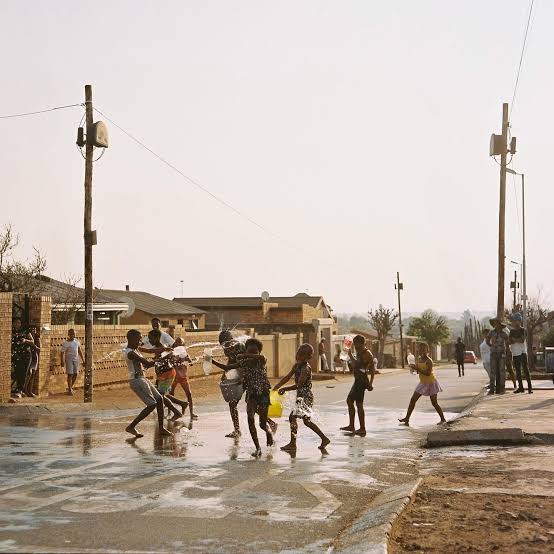
For communities across the country, Spring Day is an annual ritual where children and young adults take to the streets, celebrating the changing season with laughter and the lighthearted tradition of splashing water on passersby.

However, on September 1, 2026, this decades-long custom turned into an unimaginable nightmare for a family in Refilwe, Cullinan, east of Pretoria.
For the mother of 21-year-old Tshepang Nyathi, the day did not bring the promise of spring—it brought the sudden, violent end of her first-born son’s life.
A Hero Taken by ‘The Devil Within the Yard’
Tshepang Nyathi was no ordinary young man; to his mother and family, he was a living testament to resilience.
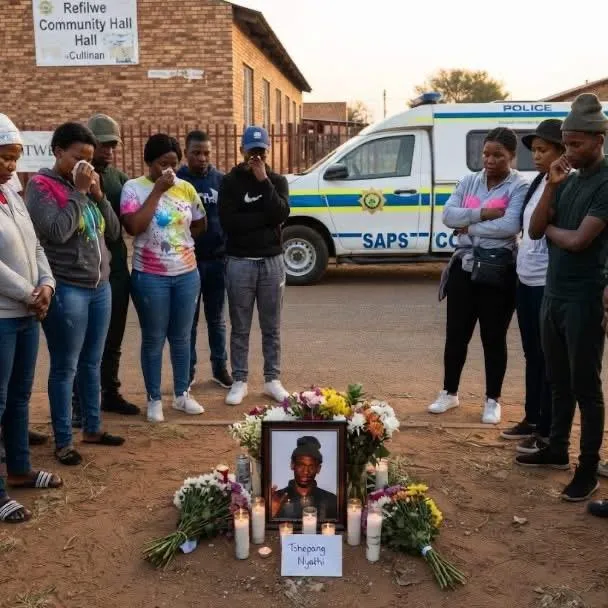
Just two years prior, Tshepang had been diagnosed with cancer. He endured grueling surgeries and aggressive chemotherapy, fighting tenaciously until he was declared cancer-free.
His father, Thabo Lihlabi, remembered him as a remarkably brave and determined soul who refused to let a life-threatening illness define his future.
Tshepang loved soccer, possessed a vibrant and magnetic personality, and dreamed of one day becoming a professional footballer.

For his mother, watching her son defeat a deadly disease only to have his life stolen on their doorstep is an unbearable cruelty.
In her profound grief, she described her son as a hero who could overcome cancer but was ultimately defenseless against what she called “the devil within the yard,” referring to the 53-year-old neighbor who allegedly took his life.
“My heart is entirely broken,” his mother shared in an emotional address. She explained that Tshepang was her first-born child, the one from whom she expected great things, and a young man with a genuinely bright future ahead of him.
She recalled how the afternoon began with innocent, playful energy, only for her son to be brought back to her lifeless.
The Escalation of a Playground Game
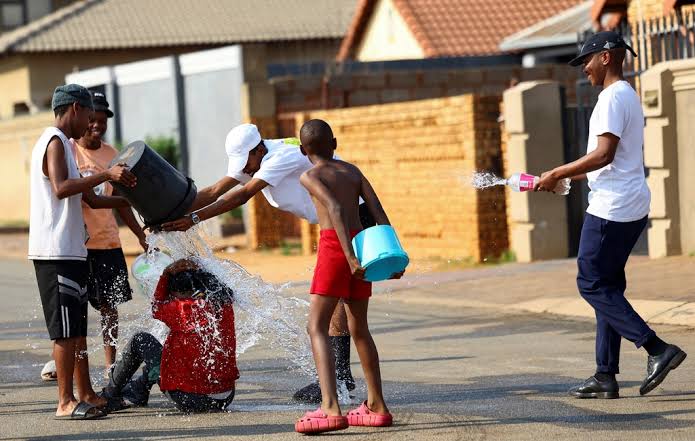
The fatal confrontation occurred when Tshepang and a group of local youth were participating in the neighborhood’s Spring Day water-splashing activities.
An altercation erupted when the group allegedly splashed water on a 53-year-old man living nearby. What should have been a minor, easily defused disagreement escalated with terrifying speed.
The older man allegedly pulled out a knife and stabbed Tshepang during the dispute. Tshepang was rushed to a local medical facility, where he was tragically declared dead.

The terror of that afternoon extended beyond Tshepang’s death. The family revealed that during the chaotic assault, Tshepang’s sister narrowly managed to escape after the suspect allegedly tried to grab her as well.
Following the stabbing, enraged community members apprehended the fleeing suspect and assaulted him before law enforcement arrived on the scene.
The suspect was subsequently hospitalized under police guard before making his first appearance in the Cullinan Magistrates’ Court on murder charges.
A National Conversation on Respect and Safety
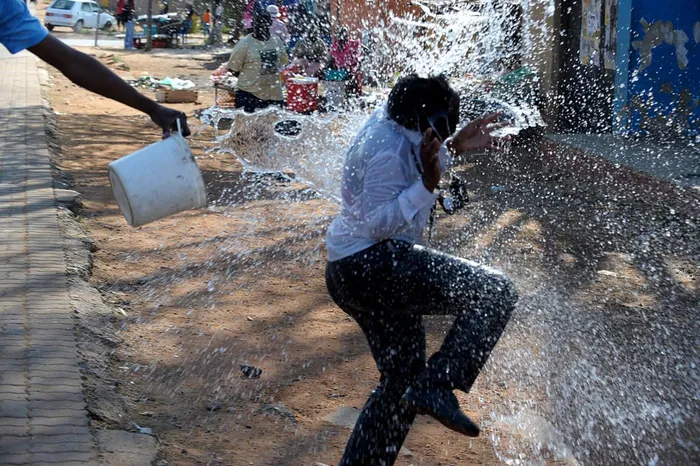
Tshepang’s tragic death has sent shockwaves far beyond the township of Refilwe, sparking intense national debate over the evolution of Spring Day traditions and the broader breakdown of social cohesion.
Social Development Minister Dina Pule strongly condemned the violence, noting that while children must be protected, the incident also reflected a worrying breakdown of respect for elders within communities.
Concurrently, the Government Communication and Information System (GCIS) released a statement expressing deep condolences to the Nyathi family.

The government emphasized that while water games have long been enjoyed, recent iterations of the tradition have increasingly evolved into hazardous disruptions, involving stone-throwing, targeting moving motorists, and endangering delivery drivers.
The Long Road to Justice
As the state handles the legal proceedings against the neighbor, Tshepang’s family remains shattered.
His grandmother, Dorah Nyathi, publicly questioned the sheer brutality of the attack, lamenting that if the older man felt wronged, he could have disciplined or scolded the youth rather than resorting to a fatal stabbing.
For Tshepang’s mother, the house now feels permanently empty. Grappling with a loss that defies logic, she is left questioning how a simple game with buckets of water could cost her child his life.
As she tries to come to terms with her broken heart, her primary focus is a demand for swift, unyielding justice for the son who fought so hard to live, only to be taken away too soon.