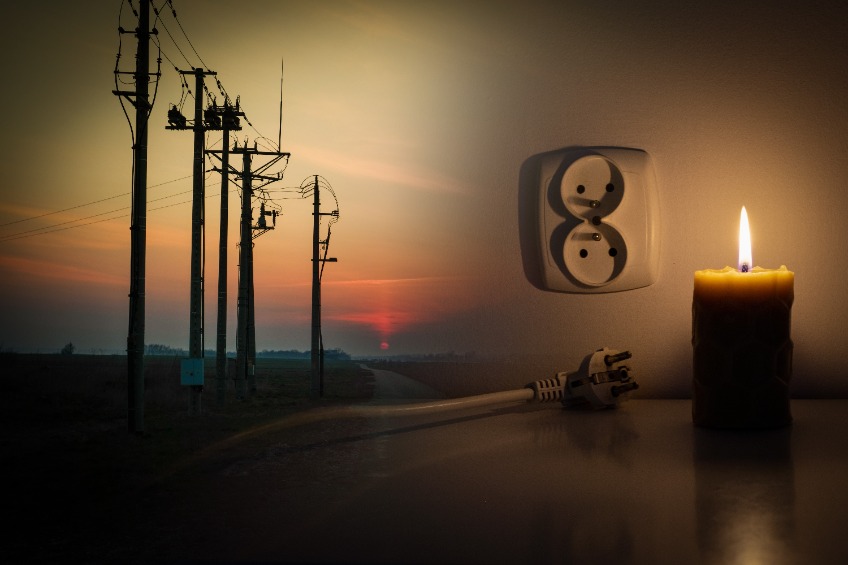
President Cyril Ramaphosa stated that the African National Congress (ANC) deserves full credit for ending load shedding in South Africa.
He spoke on Sunday, 23 August 2026, at Riverside in Diepsloot, Gauteng. He delivered the party’s manifesto for the upcoming local government elections scheduled for 4 November 2026.
Ramaphosa spoke with strong confidence before a large crowd. He stated that the governing party would win the local elections. He focused heavily on the country’s improving electricity supply.
A Remarkable Improvement in Power Supply
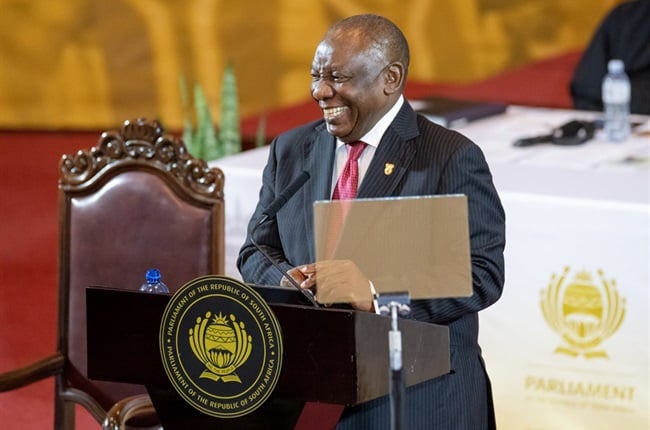
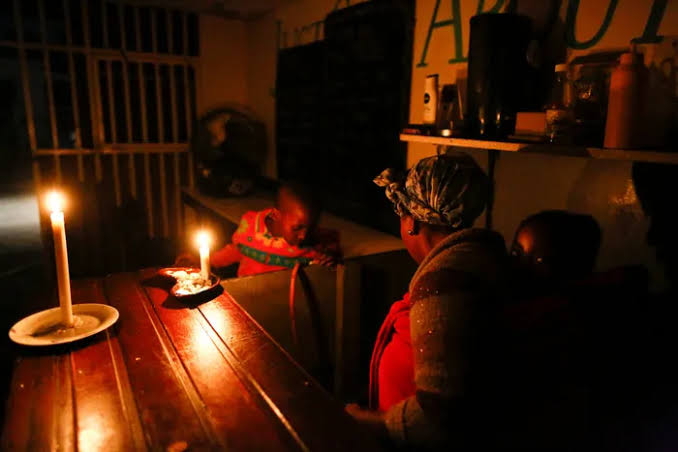
Ramaphosa looked back at the past few years. He noted that South Africa suffered from persistent power cuts for more than a decade.
He said the ANC government took brave and far-reaching actions to fix the state power utility, Eskom.
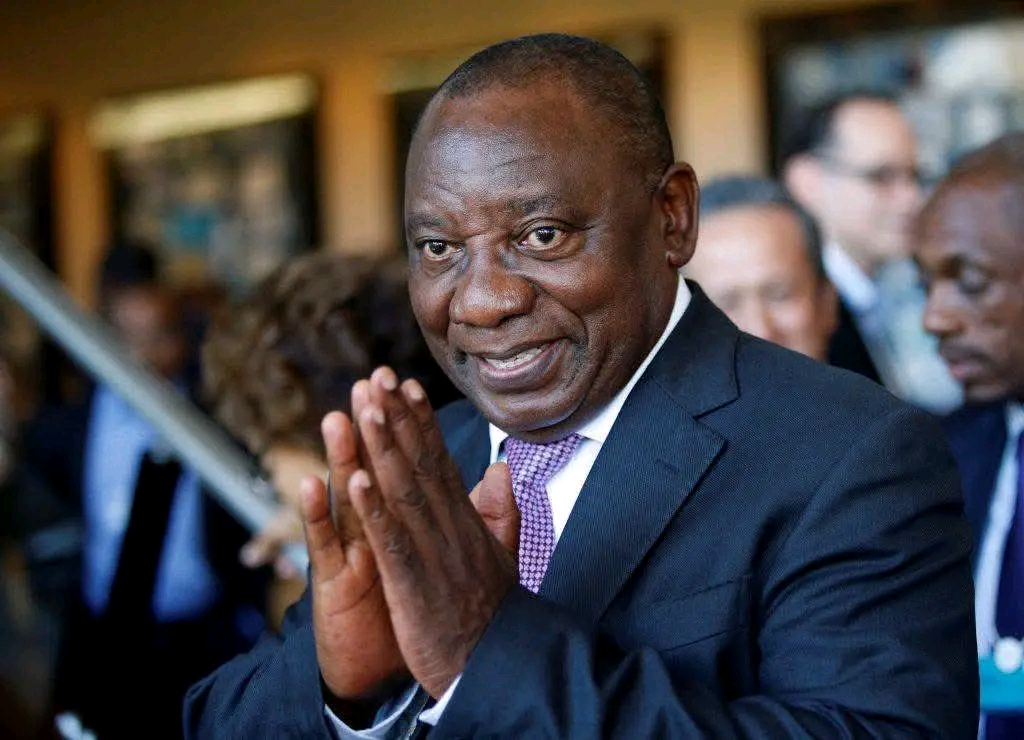
Better Maintenance: The government pushed for better care of power stations.
New Energy: Officials brought new generation capacity onto the national grid.
No Load Shedding: South Africa has now passed more than 460 days without load shedding.
Ramaphosa praised these steps as a great achievement. He noted that seven of the country’s nine provinces are now free from load reduction.
Focus on the Minister of Electricity
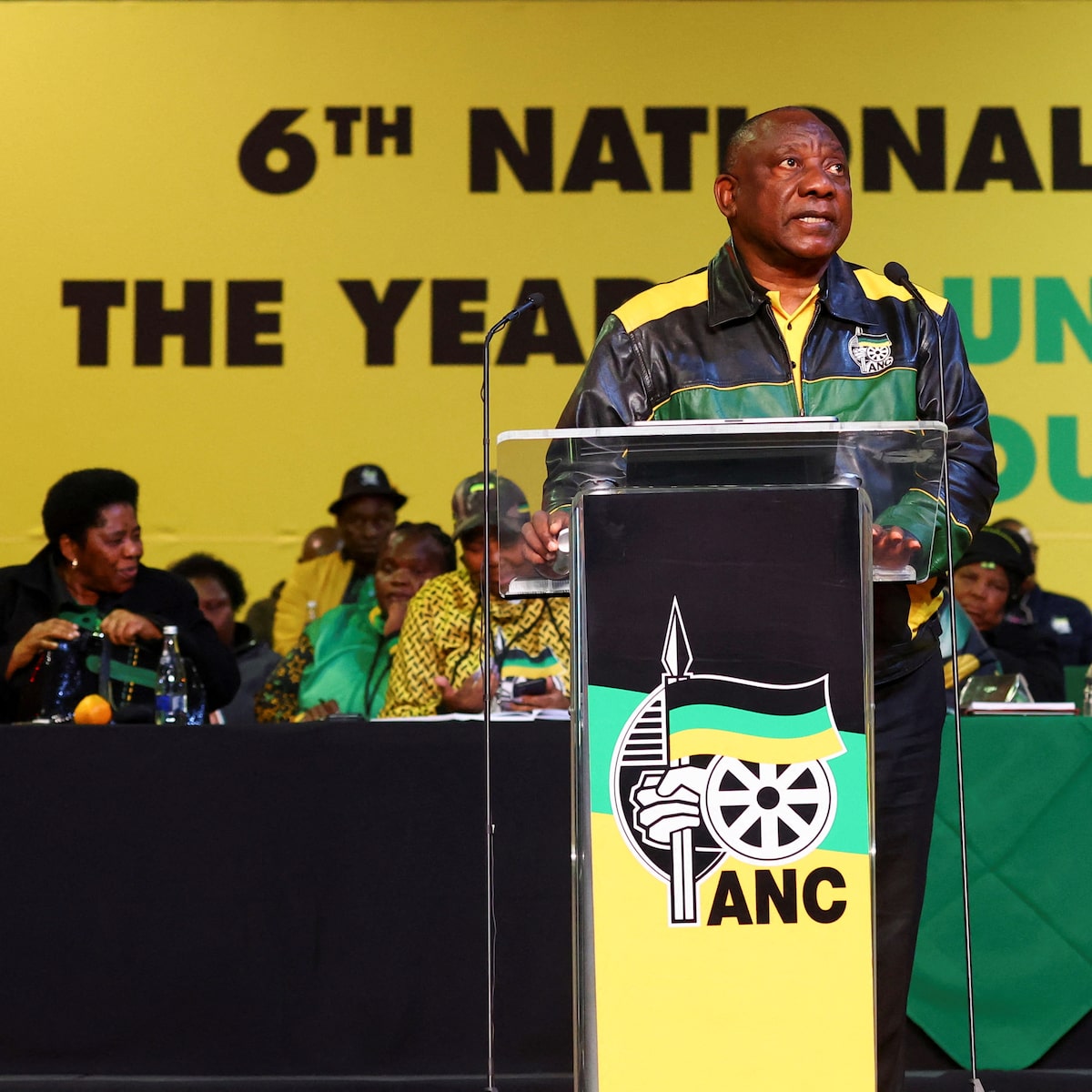
Ramaphosa highlighted the work done by the Ministry of Electricity. He spoke about the pressure placed on the electricity leadership to keep the lights on.
He joked that the electricity minister must keep thinking about power supply at all times, even during private moments.
Work continues in areas that still face power problems. For example, some communities in KwaZulu-Natal still experience load reduction rather than formal load shedding.
Ramaphosa assured citizens that the department is actively solving these local grid issues.
The Local Government Manifesto
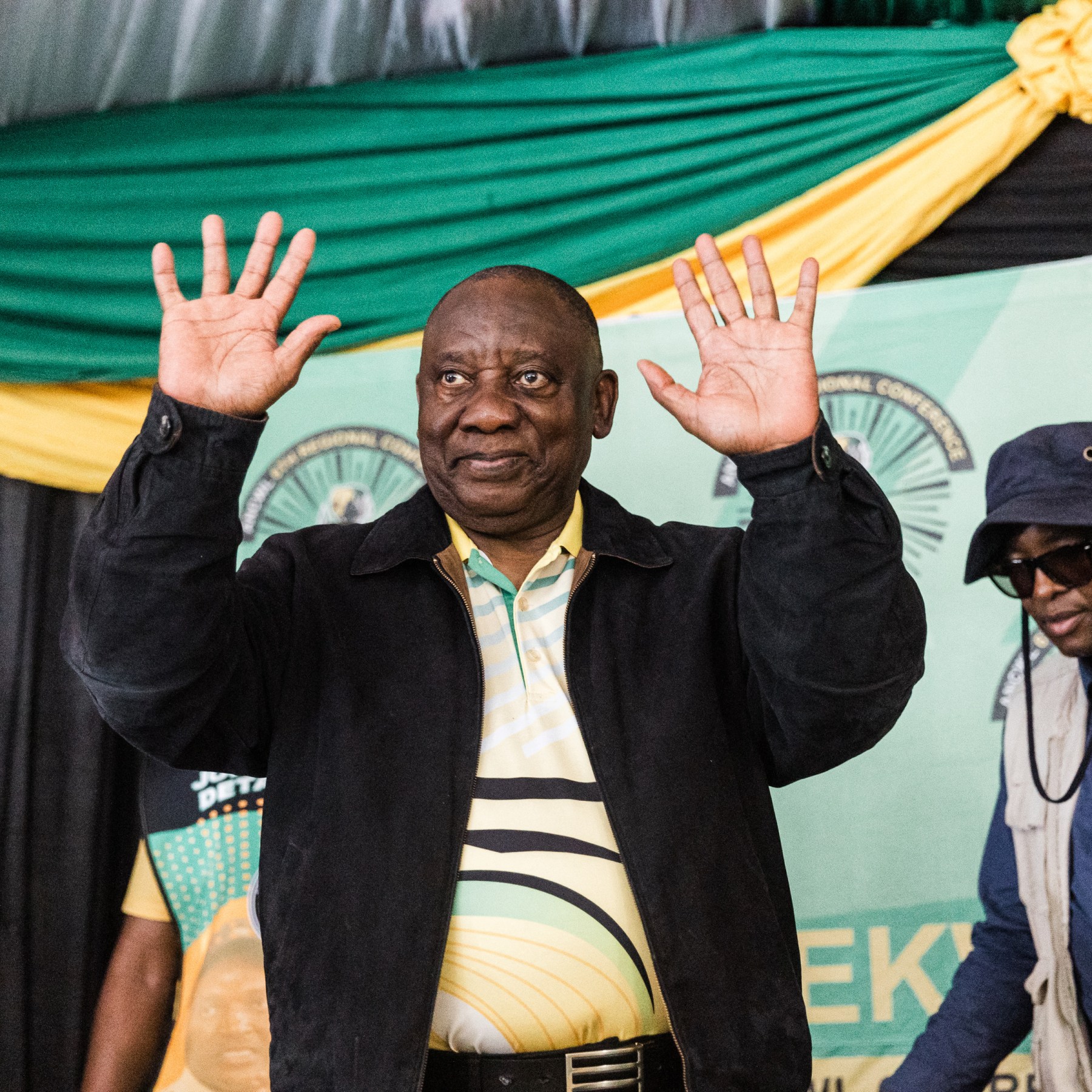
The event in Diepsloot marked the official launch of the ANC’s local government election campaign. The local elections will take place on 4 November 2026.
The ANC shared its main service delivery action plan.
The new plan targets several core community needs:
Water Supply: Fixing broken water systems and shortages.
Electricity: Keeping the power grid stable and stopping local outages.
Infrastructure: Repairing crumbling roads, pipes, and public buildings.
Accountability: Improving how local leaders talk to and work with communities.
ANC leaders said this plan shows their deep commitment to serving the people. They want to build better, more integrated communities that overcome the old racial and geographic divides of the past.
Political Confidence and Public Reaction
Ramaphosa showed strong belief in his party’s chances. He told the crowd that the ANC will win the November elections, whether people agree with them or not.
He believes the visible fix in the electricity sector will bring voters back to the party. Not everyone shares this high level of optimism.
While many people praise the end of national blackouts, some community members feel that day-to-day service delivery still falls short.
Potholes, water leaks, and local management problems remain big issues in many towns and cities.
Opposition parties are also working hard to win votes on 4 November. They point to local failures in sanitation, crime, and housing.
Parties like the Democratic Alliance (DA) plan to campaign heavily on cleaning up corruption and fixing local police and municipal departments.
Looking Ahead to November 4The ANC is counting on the end of load shedding as its biggest political win.
Ramaphosa hopes this success will convince voters that the ruling party can fix other public services too.
As the election date approaches, political activity across Gauteng and the rest of the country will grow louder.
The next few months will show if the ANC’s message about stable electricity and local renewal is enough to secure a strong victory at the polls.