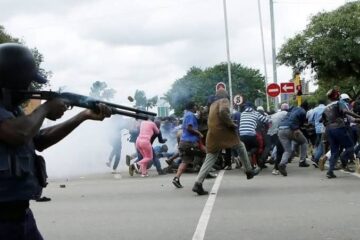
Tensions in Bellville, Cape Town, have escalated dramatically as anti-illegal immigration groups, notably the March and March movement alongside Operation Dudula, stage volatile protests through the central business district demanding strict enforcement of immigration and informal trading bylaws.
The Rise of March and March in the Western CapeThe anti-illegal immigration group known as March and March has steadily increased its footprint across South Africa.

Organising under the banner of protecting local livelihoods, the movement has mobilized citizens and local informal traders in urban hubs.
In Bellville—a vibrant and densely packed commercial and transport nexus—the group found a ready-made constituency among South African traders who feel economically sidelined.
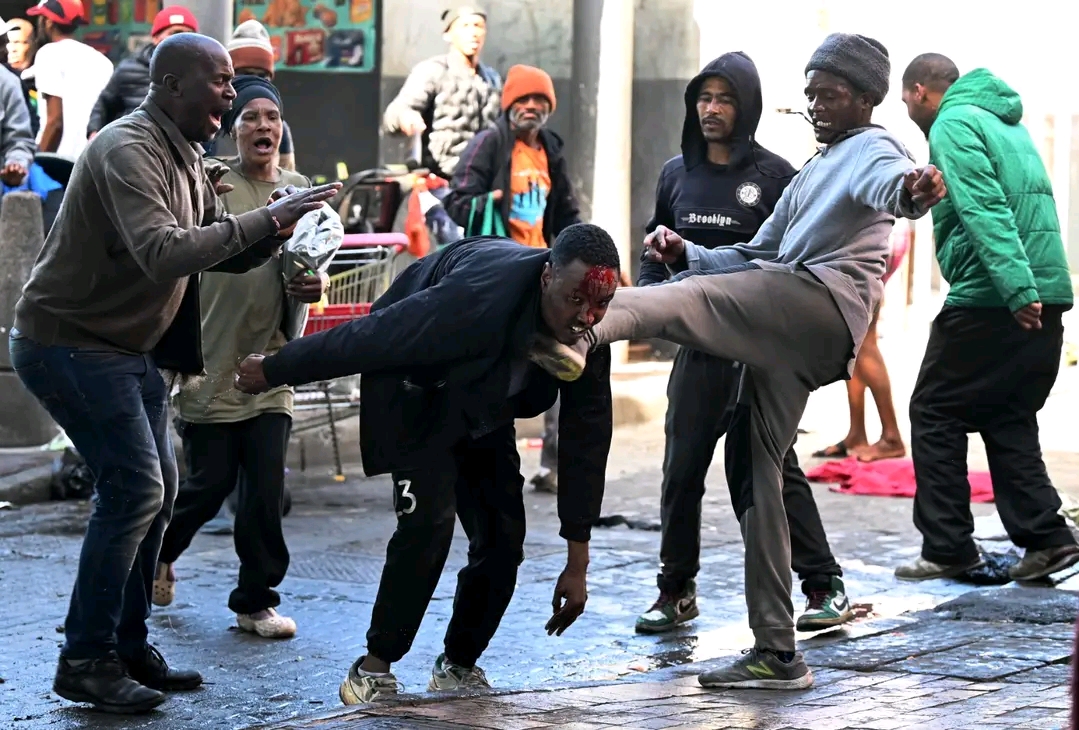
The friction primarily targets the informal economy. Local traders argue that undocumented foreign nationals operate without regulatory oversight, occupy prime trading spaces, and benefit from lax municipal law enforcement.
Protesters have repeatedly accused both the City of Cape Town and the Department of Home Affairs of failing to monitor permit compliance or enforce the Immigration Act effectively.
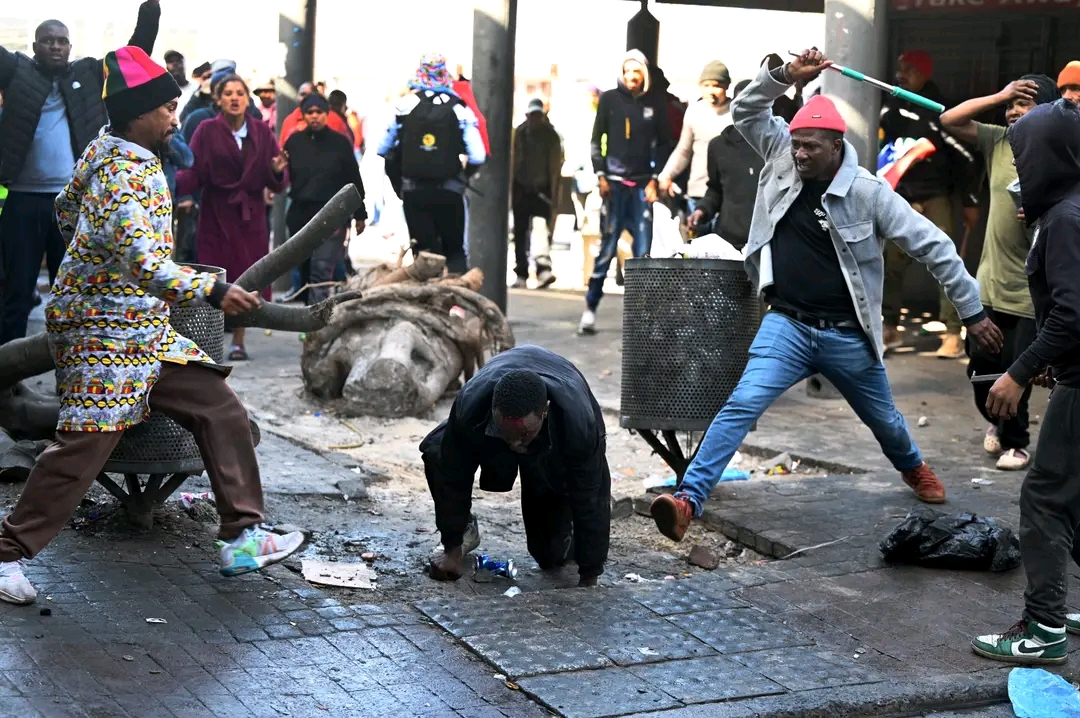
What began as targeted community meetings at locations like the Bellville Bus Station quickly transformed into aggressive street demonstrations.
Anatomy of the Protests and Standoffs
Demonstrations orchestrated by March and March, often working in tandem with groups like Concerned Citizens and Operation Dudula, have repeatedly brought parts of Bellville and neighbouring Parow to a standstill.
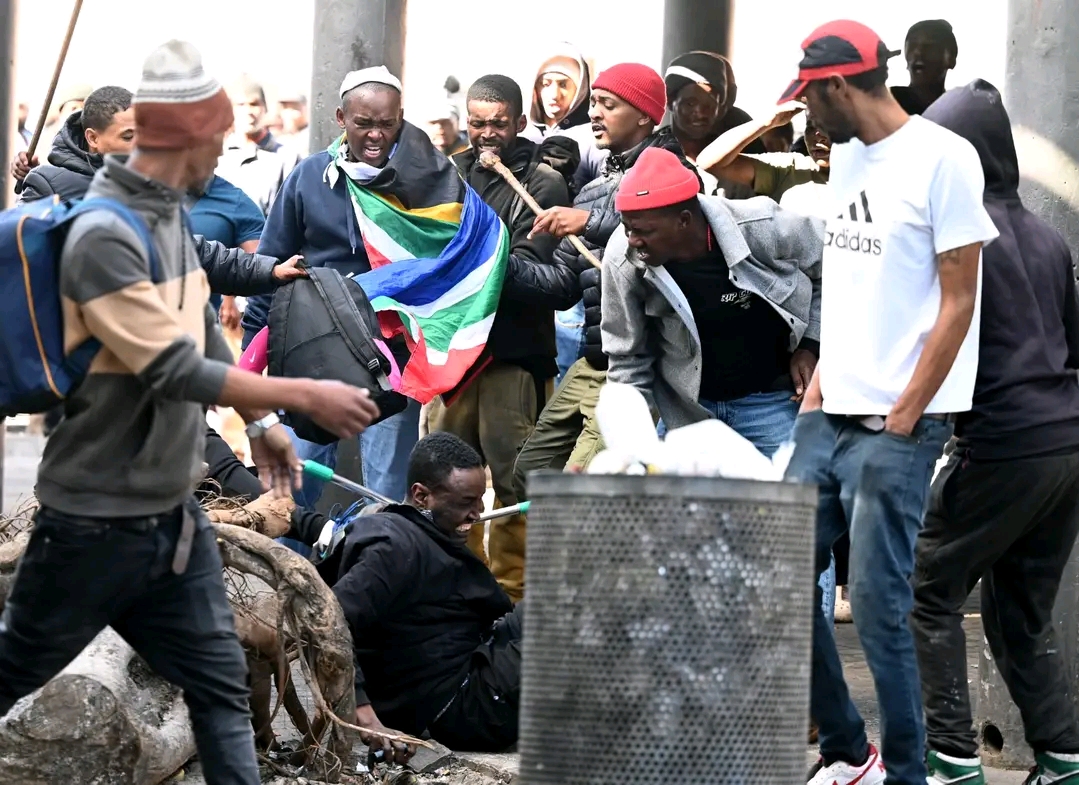
During mass turnouts, crowds march along key corridors such as Voortrekker Road, chanting slogans and demanding that undocumented migrants leave the area.
However, these marches have frequently crossed the line from peaceful assembly into volatile confrontations.
Stalls run by foreign nationals have been dismantled, and recent demonstrations have dissolved into chaos involving property damage, sporadic looting of shops, and intense skirmishes.
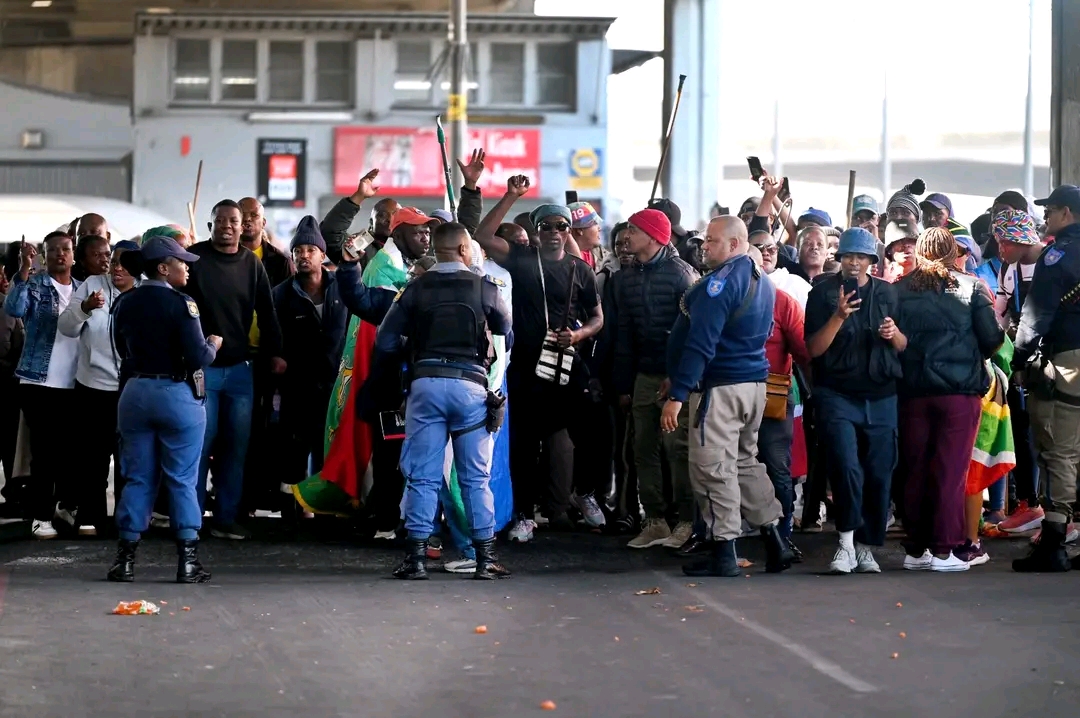
Public Order Police have been forced to deploy tear gas and stun grenades to regain control of the streets, reflecting the high-stakes environment where local grievances collide with public violence.
Impact on Legal and Migrant Livelihoods
While the official stance of March and March frames the campaign around enforcing legal statutes against undocumented individuals, the on-the-ground reality presents a broader humanitarian and economic dilemma.
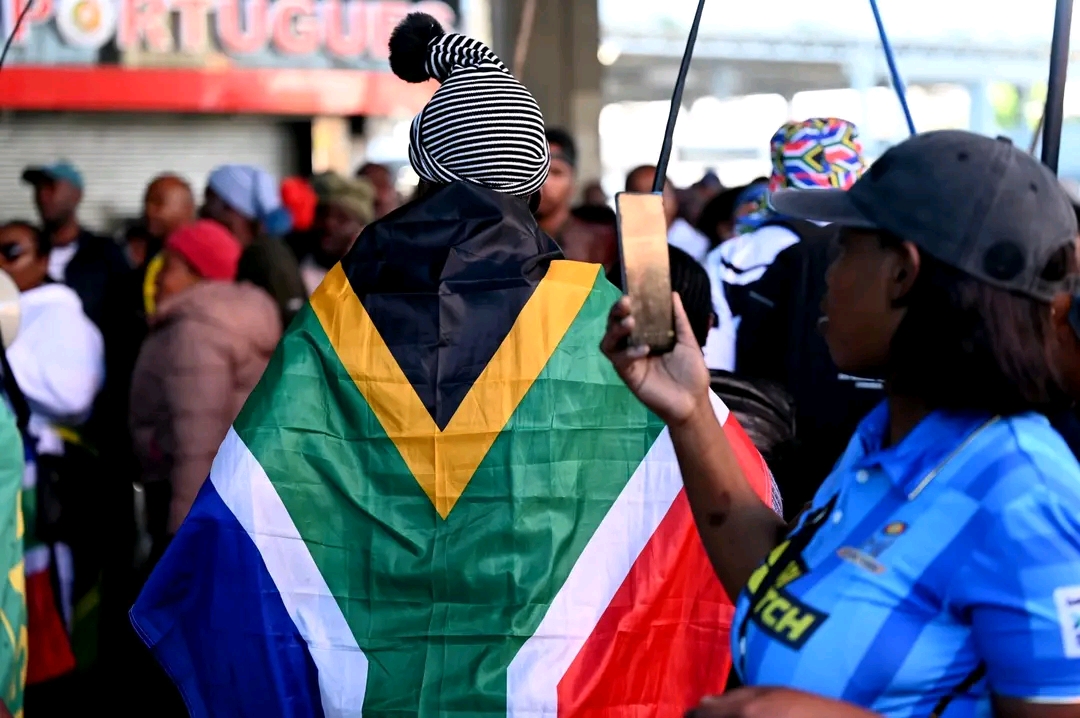
Many immigrant traders who possess legitimate refugee statuses or valid, long-standing municipal trading permits have reported feeling profoundly unsafe.
In the wake of these rolling deadlines and aggressive marches, vital trading nodes near transport terminuses have emptied out.
Valid permit holders—some who have lived and worked legally in South Africa for decades—find themselves unable to open their shops or feed their families out of fear of collective targeting.

Civil rights organisations and refugee advocacy groups have repeatedly condemned the actions of March and March, arguing that the rhetoric blurs the line between targeting illegal immigration and inciting systemic xenophobia.
The Response from Authorities and the Road Ahead
The South African Police Service (SAPS) and municipal authorities face mounting pressure from both ends of the spectrum.
Protesters demand immediate mass deportations, rigorous workplace inspections, and the revocation of allegedly fraudulent permits issued by Home Affairs.
Meanwhile, law enforcement agencies struggle to maintain public order without letting volatile street protests erupt into widespread looting and vigilantism.
As police maintain a heavy presence in the Bellville CBD to monitor ongoing mobilization, the underlying socioeconomic pressures remain unresolved.
Until state authorities establish a clear, transparent, and trusted mechanism to regulate economic participation and enforce immigration laws, flashpoints like the Bellville marches will continue to test the social fabric of South Africa’s urban centers.