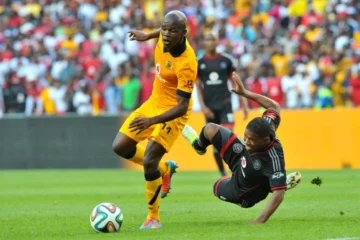
LOS ANGELES, CALIFORNIA — South Africa’s historic adventure at the 2026 FIFA World Cup in North America came to a heartbreaking but heroic end in the Round of 32 following a grueling 1-0 defeat to Canada at the SoFi Stadium. Head coach Hugo Broos’s squad defied critics globally, pulling off an elite tactical group stage masterclass that included a breathtaking 1-0 win over South Korea in Monterrey.
While the spotlight deservedly focused on a settled core of heroes like captain Ronwen Williams, midfielder Teboho Mokoena, and breakout winger Relebohile Mofokeng, football at this tournament format tells two stories. For a team to fly across continents and battle global powerhouses, the unsung work happens on the training pitches.
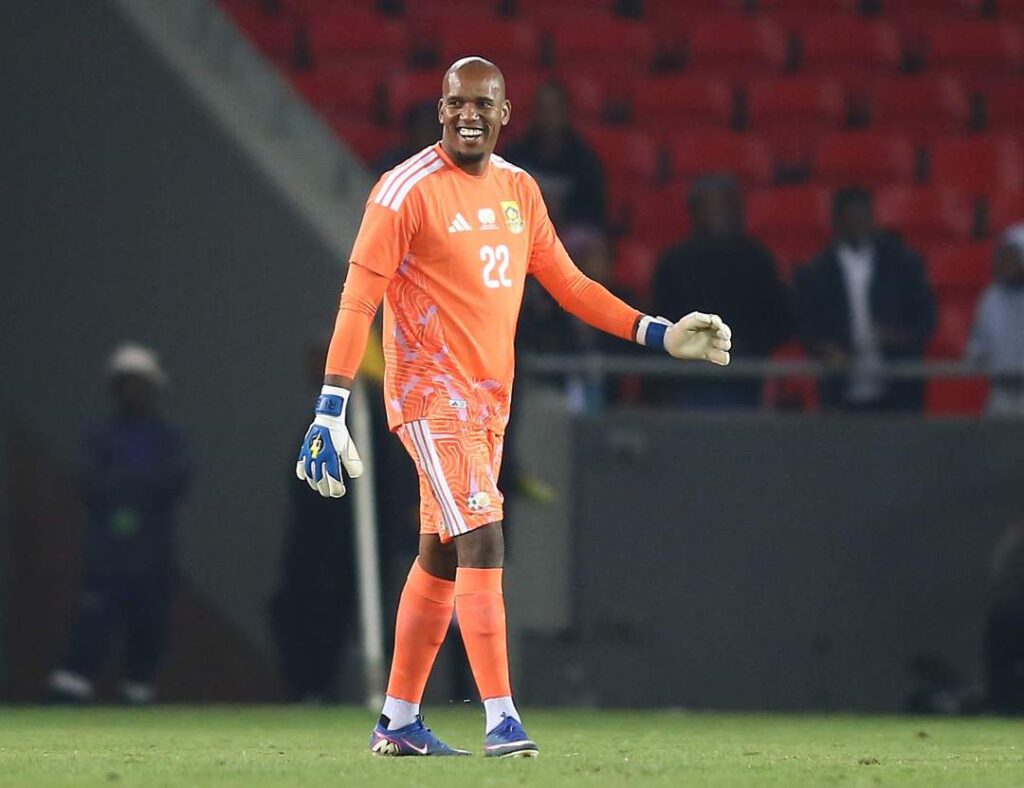
Among the 26-man traveling roster, a specific collective of seven domestic and international standouts—Sipho Chaine, Ricardo Goss, Bradley Cross, Olwethu Makhanya, Khulumani Ndamane, Samukele Kabini, and Thabang Matuludi—registered zero appearances on the pitch during the entire global showpiece.
Yet, looking past the stat sheet reveals exactly how this quiet continent held the foundation of Broos’s camp together.
The Locked Gates: Why Chaine and Goss Remained Unused
In modern tournament football, the backup goalkeeper role is arguably the most mentally exhausting job in professional sports. For Orlando Pirates’ Sipho Chaine and Siwelele FC’s Ricardo Goss, their zero-minute reality was never a reflection of their domestic quality. Instead, it was the direct byproduct of navigating an era dominated by Ronwen Williams.
Williams, who kept back-to-back clean sheets against Czechia and South Korea, is the unassailable captain and tectonic pillar of Broos’s structural blueprint.
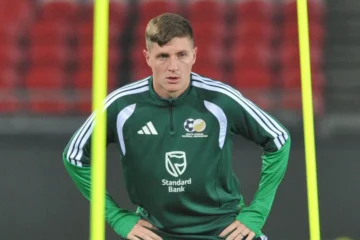
Behind closed doors, Chaine and Goss acted as the training ground catalysts. Their job was to simulate elite opposition strikes during high-intensity shooting drills in Johannesburg and Los Angeles, ensuring Williams maintained sharp, world-class reflexes. Their absolute readiness provided an invisible insurance policy that allowed the starting eleven to play with maximum defensive freedom.
The Rigid Backline: The Defensive Lockout
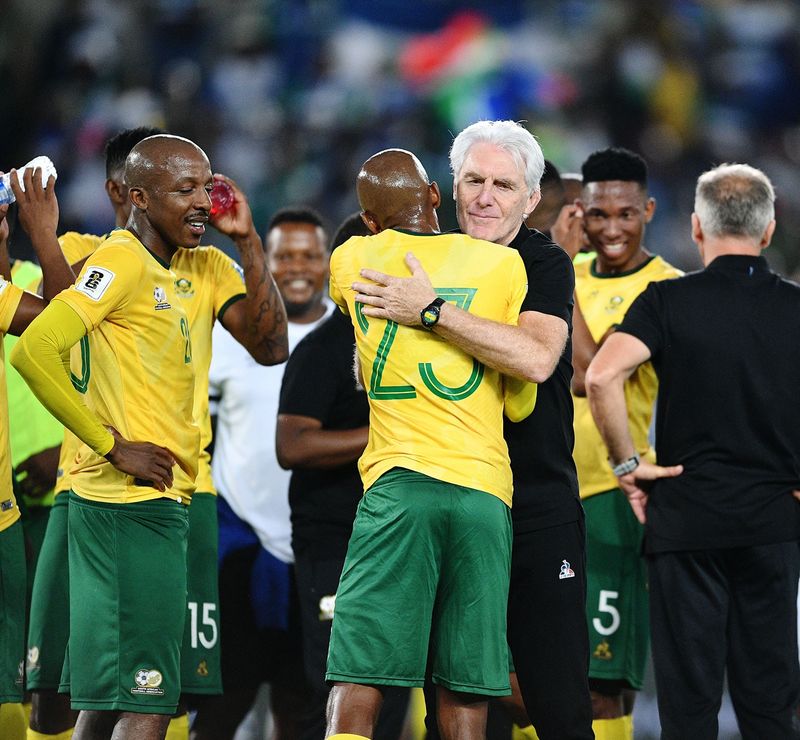
The remaining five outfield players—Cross, Makhanya, Ndamane, Kabini, and Matuludi—fell victim to Hugo Broos’s famous preference for defensive continuity. The 74-year-old Belgian strategist has built his entire international reputation on establishing a completely unchanged defensive back four once a tournament commences.
With fullbacks Khuliso Mudau and Aubrey Modiba delivering monumental physical shifts, and the center-back partnership of Ime Okon and Nkosinathi Sibisi locking down the penalty box, the reserve defenders found their avenues entirely blocked.
- Bradley Cross (Kaizer Chiefs): Drafted late into the group as defensive cover for the left-back channel following Aubrey Modiba’s late domestic injury concerns, the Amakhosi star was the subject of intense media scrutiny. While he didn’t taste the turf, his tournament selection remains highly lucrative for his club. Kaizer Chiefs are set to claim a handsome R6.4 million windfall via the FIFA Club Benefits Programme simply for his squad registration.
- Olwethu Makhanya (Philadelphia Union): Operating on familiar territory in the United States, the 22-year-old Major League Soccer prospect was a surprise inclusion. Broos valued his familiarity with North American conditions, utilizing his physical stature to test Bafana’s starting attackers during simulation matches.
- Khulumani Ndamane & Thabang Matuludi: Mamelodi Sundowns’ rising asset Ndamane and Polokwane City’s energetic right-back Matuludi watched from the bench as veterans ahead of them absorbed the competitive minutes. For Matuludi, the experience of rubbing shoulders with the world’s elite provides a massive developmental leap ahead of the upcoming Betway Premiership season.
- Samukele Kabini (Molde FK): The European-based starlet added crucial tactical versatility to the reserve ranks but was ultimately kept on the wings as Broos relied on a highly conservative game-management template during the high-stakes knockout stages.
The Unseen Value of the “Zero-Minutes Club”
To casual observers, a World Cup campaign with zero minutes can feel hollow. However, seasoned sports psychologists and tactical analysts emphasize that squad harmony in an isolated camp is dictated almost entirely by the players who do not play.
“When the reserve contingent sours or loses motivation, it creates a toxic camp environment that derails tournament progress,” sports analysts noted following the Canada match. “The fact that Bafana Bafana fought with such intense unity on the pitch proves that the bench was locked in, pushing the starting eleven every single morning on the training ground.”
While their names won’t decorate the tournament’s goalscoring charts, this seven-man contingent returns to their respective clubs as refined World Cup athletes. The knowledge, tactical insight, and mental resilience gained from absorbing the pressure of soccer’s greatest stage will undoubtedly filter directly back into the domestic league, raising the baseline standard of South African football for years to come.