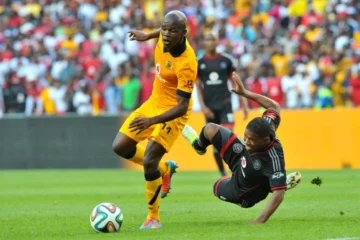
JOHANNESBURG, SOUTH AFRICA — While the initial group stages of the 2026 FIFA World Cup dominated headlines on the pitch, a major financial story is unfolding off it for South Africa’s most supported football club. Kaizer Chiefs are officially set to receive an unexpected, multi-million Rand injection from world football’s governing body, FIFA, courtesy of Bafana Bafana’s heroic exploits in North America.
Following the national team’s historic 1-0 triumph over South Korea in Monterrey, which booked South Africa a place in the World Cup Round of 32 for the first time ever, the financial benefits have trickled straight back to Naturena. Through the formal FIFA World Cup Club Benefits Programme, Amakhosi’s projected payout has dramatically scaled upward, putting the Soweto giants in line to clear an impressive R6.4 million in pure profit.
Understanding the Cash Injection: The “Player-Day” System
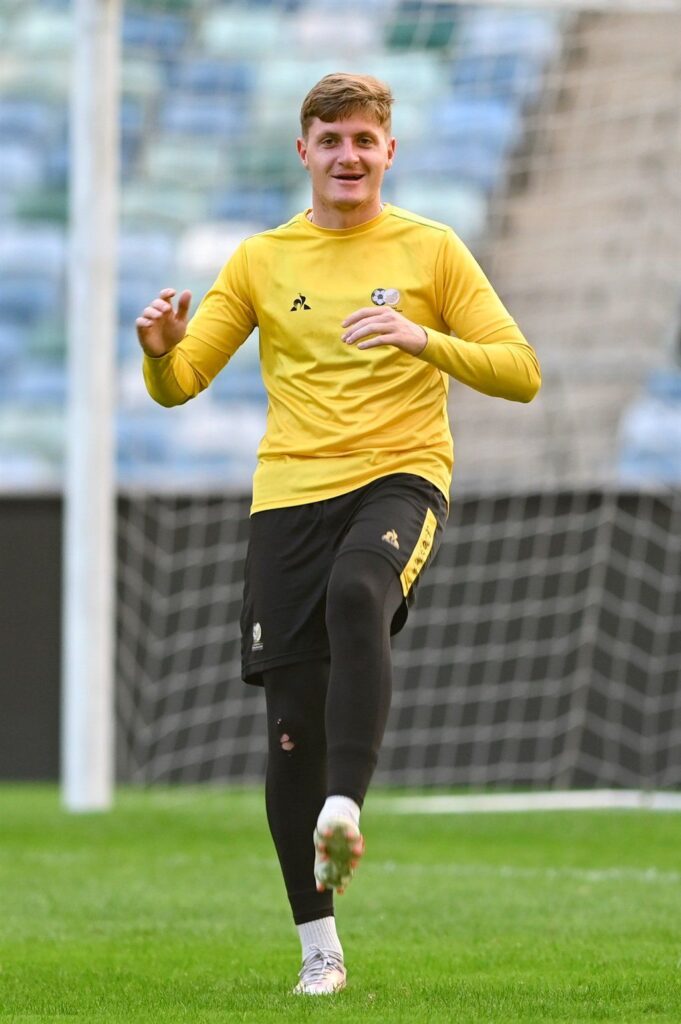
The FIFA Club Benefits Programme is a structural fund set up to compensate domestic clubs for releasing their contracted athletes for international tournament duty. FIFA distributes these funds out of a massive global pool, paying out a daily rate per player.
Initially, before a ball was kicked in Mexico and the United States, Kaizer Chiefs were only projected to bank a modest baseline of roughly R2.4 million based on a standard group-stage exit format. However, because Hugo Broos’s resilient squad defied the odds to advance into the knockout bracket, the daily meter has kept running.
Importantly for the Amakhosi treasury, the distribution framework is entirely linked to a player’s formal inclusion in the official 26-man tournament squad, completely independent of actual minutes spent on the pitch. While left-back Bradley Cross has yet to feature under Broos’s rigid tactical starting XI during the tournament, his mere presence in the camp locks in the maximum daily allocation for his parent club.
The Unseen Bonus: Trailing Payments Add to the Pile
While the bulk of the R6.4 million figure is driven directly by Cross’s extended stay in North America, sports business analysts have noted that Kaizer Chiefs will benefit from an auxiliary revenue stream within the same FIFA framework: Trailing Payments.
FIFA’s club compensation model doesn’t just reward a player’s current employer; it distributes fractional percentages of the daily rate to any club that held the player’s registration during the active two-year World Cup qualifying cycle. Because several current Bafana Bafana stars featured in early qualification matchdays while wearing the iconic gold and black jersey before secure transfers elsewhere, a trailing percentage of their daily World Cup compensation will filter back to the Naturena bank accounts.
“Importantly, the compensation is linked to a player’s inclusion in the official squad rather than the number of minutes played,” sports finance analysts noted regarding the mechanism. “Beyond the payment linked to Cross, Kaizer Chiefs are also expected to receive smaller trailing benefits under FIFA regulations. The system rewards clubs that represented players during the World Cup qualifying campaign.”
Liquidity for the Da Cruz Revolution
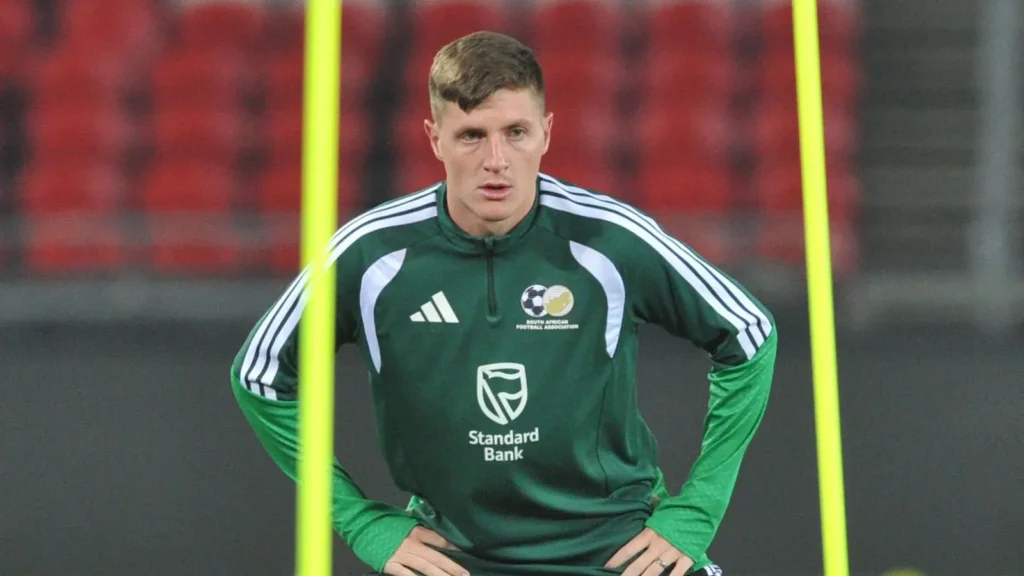
For a club navigating a crucial rebuilding phase under the guidance of incoming head coach Fernando Da Cruz, this unexpected financial windfall could not have arrived at a better time. While domestic rivals Mamelodi Sundowns and Orlando Pirates have claimed larger initial slices of the World Cup pie due to having eight players each in the squad, an extra R6.4 million in liquid cash provides vital maneuvering room for the Glamour Boys.
Chiefs have been highly active in trying to reshape their front-line options, recently attempting an ambitious multi-player plus cash trade offer for Stellenbosch FC’s speedster Langelihle Phili. Although that opening bid was rejected, having unbudgeted millions land from FIFA gives Football Manager Bobby Motaung the financial flexibility to return to the negotiating table with a strictly cash-based offer that tests their rivals’ resolve.
The Ceiling Can Still Rise
The most exciting aspect of this financial trajectory for Kaizer Chiefs is that the R6.4 million figure is not yet a closed book. The total payout is entirely contingent on how far Bafana Bafana can push their historic “American Safari.”
Should South Africa pull off yet another monumental upset against tournament co-hosts Canada at the SoFi Stadium in Los Angeles, their stay in the United States will be extended by at least another week. Every additional day the squad remains active in the tournament adds thousands of dollars to the daily meter, meaning Kaizer Chiefs’ final invoice to FIFA could climb even closer to the R10 million mark before the global showpiece comes to an official close.
To better understand how these financial distributions work across South African football, you can watch this deep dive into the Kaizer Chiefs World Cup Jackpot. This video is highly relevant as it analyzes the specific mechanics of the Club Benefits Programme and how the team stands to benefit from FIFA’s revenue distribution models.