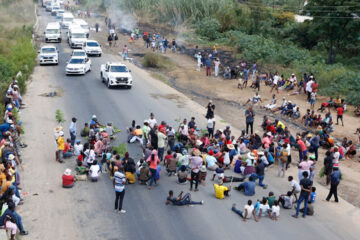
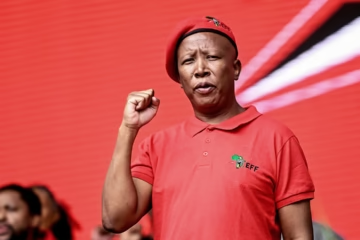
As South Africa navigates a tense and volatile May 2026, the specter of xenophobia has once again cast a long, dark shadow over the nation’s social fabric. In a series of impassioned addresses, most notably during his May Day speech in Durban and subsequent media briefings on Sunday, May 3, Economic Freedom Fighters (EFF) leader Julius Malema issued a harrowing warning: if the current wave of anti-immigrant sentiment is not stopped, it will eventually turn South Africans against one another.
Malema’s rhetoric, which remains staunchly Pan-African even in a climate of rising populism, suggests that the “fire” of xenophobia is an uncontrollable element. Once the principle of “excluding the other” is normalized, he argues, it is only a matter of time before the definition of the “other” shifts from foreign nationals to fellow South Africans based on tribe, province, or political affiliation.
The “Logic of Exclusion”: A Slippery Slope
Malema’s primary argument is centered on the danger of establishing a culture of hatred. He maintains that xenophobia is not a localized issue of border control, but a fundamental moral and social crisis.
“Today you are chasing the Zimbabweans because they are ‘taking your jobs.’ Tomorrow, you will chase the Venda people from Johannesburg because you say they don’t belong here. Then you will chase the Zulus from Gauteng,” Malema warned during his address. “Once you start the fire of hatred, you cannot decide which house it will burn. It will burn the whole village.”
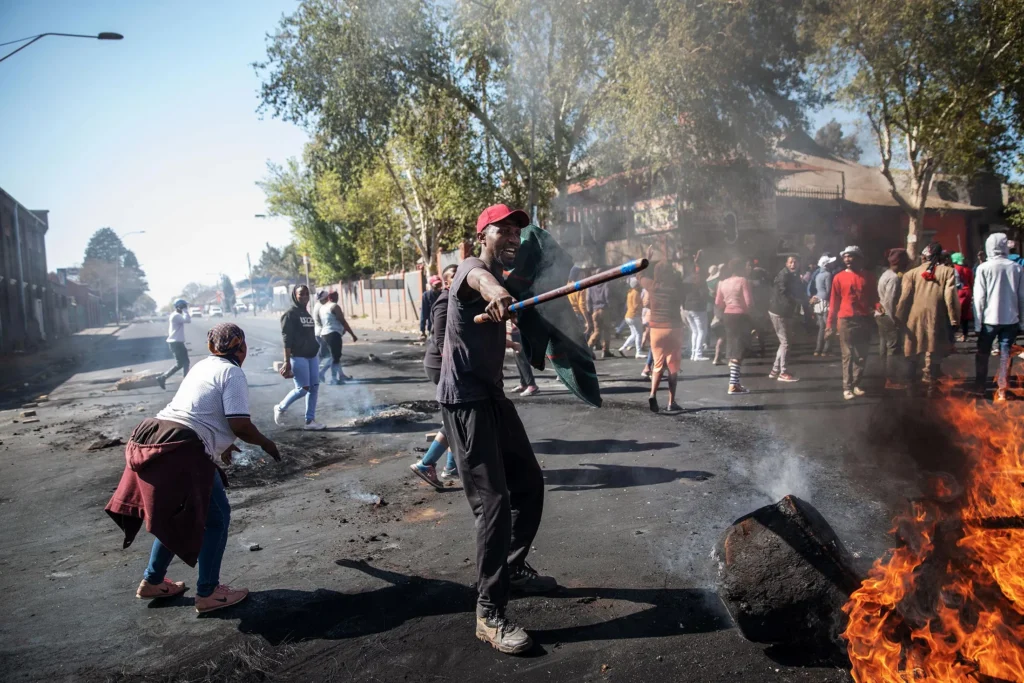
This “slippery slope” argument highlights a terrifying potential for tribalism. Malema posits that the vigilante groups currently targeting foreign-owned spaza shops and informal settlements are creating a blueprint for internal civil strife. If the state allows citizens to take the law into their own hands based on nationality, it effectively abdicates its authority, inviting a “war of all against all.”
Political Risk vs. Pan-African Principle
What makes Malema’s stance particularly striking in May 2026 is the political risk involved. With South Africa’s international standing taking a “knock” following demarches from countries like Ghana and condemnations from the United Nations, many political leaders have opted for a “South Africa First” narrative to secure votes.
Malema, however, has doubled down on his refusal to “join the xenophobic bandwagon.” He explicitly stated that he would rather lose every vote in the country than participate in the harassment of fellow Africans.
Key Points of Malema’s Recent Stance:
- The Clinic Test: Malema sparked a national debate by stating he would never support a policy that removes a pregnant foreign national from a South African clinic. He argued that the death of a mother or child due to a denial of care is a “morally indefensible” outcome that no South African should take pride in.
- Economic Scapegoating: He challenged the narrative that migrants are the cause of unemployment. “You shut down five jobs [by closing foreign shops]—where are the new ones?” he asked, pointing toward structural inequality and government failure as the true culprits of poverty.
- African Solidarity: He reminded his supporters that the liberation of South Africa was achieved through the support of the very frontline states (Zimbabwe, Zambia, Mozambique) that are now being targeted.
The Role of Vigilantism and “Operation Dudula”
The 2026 crisis has been exacerbated by the resurgence of organized vigilante conduct. Groups such as the Concerned Citizens and the Voters of SA called for a countrywide shutdown on Monday, May 4, demanding the mass deportation of millions of foreigners.
Malema’s warnings are a direct response to these movements. He argues that groups like Operation Dudula and its successors are being used as “scripts written by apartheid collaborators” to keep the working class divided. By fighting over the “scraps” of the informal economy, Malema suggests that poor South Africans and poor migrants are blinded to the fact that the country’s wealth remains concentrated in the hands of a few.
A Pariah State in the Making?
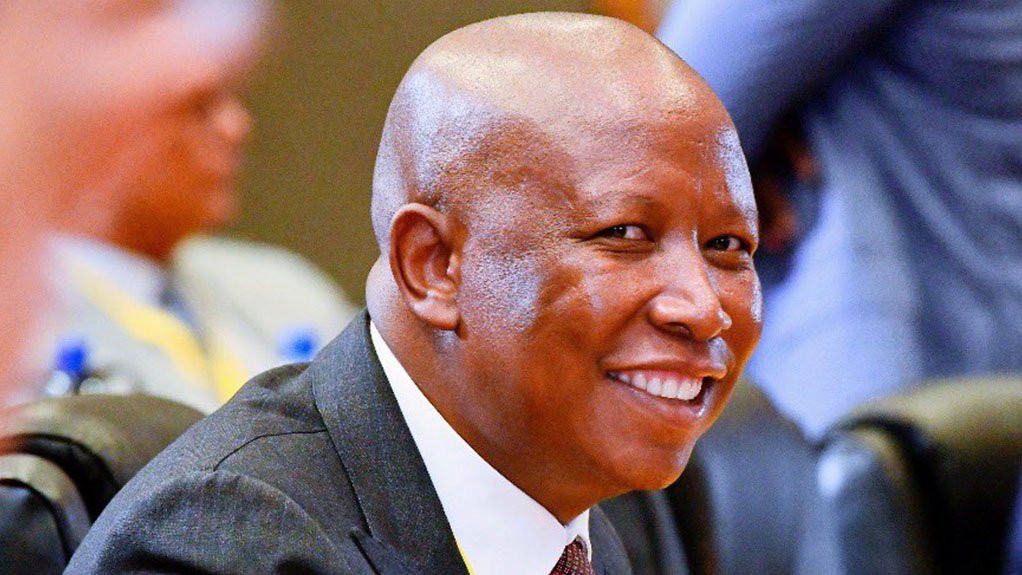
The international consequences of the current unrest are already being felt. The African Commission on Human and Peoples’ Rights recently deplored the attacks, and there are growing fears of retaliation against South African businesses (like MTN and Shoprite) operating across the continent.
Malema’s warning that xenophobia will turn South Africans against each other also carries a diplomatic weight. If South Africa becomes a pariah on the continent, the economic isolation will lead to further job losses, which in turn will fuel more internal anger. It is a self-destructive cycle that Malema believes will end in domestic implosion.
Conclusion: The Battle for the Soul of the Nation
Julius Malema’s intervention in May 2026 marks a pivotal moment in South African politics. While his critics accuse him of being “out of touch” with the frustrations of the township, his supporters see him as the only leader willing to speak an uncomfortable truth: that hate, once legalized or encouraged, knows no borders.
The warning is clear: the violence meted out to the “foreigner” today is the violence that will be meted out to the “neighbor” tomorrow. Whether the South African public heeds this warning or continues down the path of exclusion will determine the stability of the Republic for the next decade.
The Xenophobia Crisis: May 2026 Timeline
| Date | Event | Key Voice |
| April 27 | African Commission issues “grave concern” over vigilante conduct. | Solomon Ayele Dersso |
| May 1 | May Day address condemning anti-immigrant violence. | Julius Malema |
| May 4 | Planned countrywide shutdown by anti-migrant groups. | Concerned Citizens |
| May 4 | Ghana summons SA High Commissioner over attacks. | Ghana Foreign Ministry |
| May 5 | Malema warns of “internal tribalism” following xenophobia. | EFF Leadership |